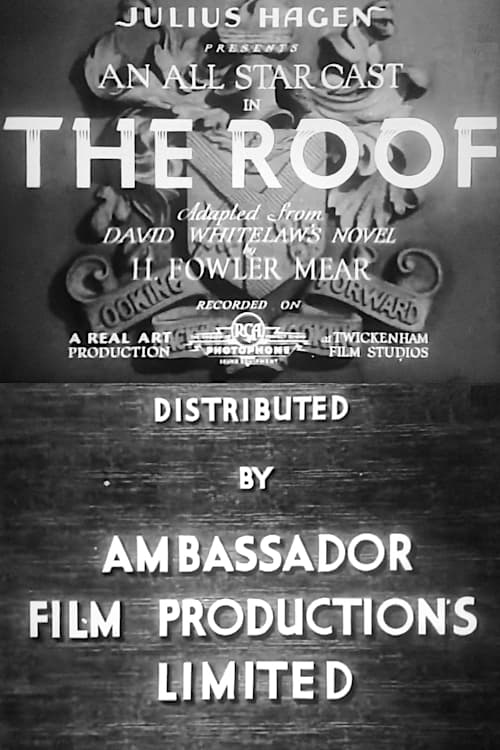
The Roof
1933
No user ratings available yet
Representation score: 1.4 out of 10
Representation Score
Minimal
1933
PassedDirector
Melville De Lay
Runtime
60 minutes
Average Rating
No ratings yetNew Showbiz Analysis
At Twelve Midnight adheres closely to the social and gender norms of 1933. The plot follows a standard crime mystery structure where a male hero faces crime bosses and guardians. The film lacks complexity in representing diverse identities. It focuses on a traditional romance and masculine leadership, with the female lead serving mainly as a catalyst for the male protagonist’s actions. The narrative does not offer any significant representation of diverse identities, disabilities, or cultural critiques.
Category Breakdown
The film does not include any LGBTQ+ identities or same-sex relationships. The story focuses on a traditional romance between the hero and the woman he loves.
The narrative relies on traditional gender roles. The female character drives the protagonist but remains passive, needing protection rather than being an active force.
The film follows a typical Western crime narrative from its time. There is no indication of diverse ethnic perspectives or casting actors from different backgrounds.
The story operates within a binary of legal and illegal activities. It upholds traditional social orders through the hero's actions rather than challenging Western institutions.
There is no mention of characters with physical, sensory, or neurodivergent disabilities in the story.
Present on Screen
Limited or Absent
Official Synopsis
A hero in a robbery comes up against a crime boss and the crooked guardian of the girl he loves
1933
1937

1931
1932
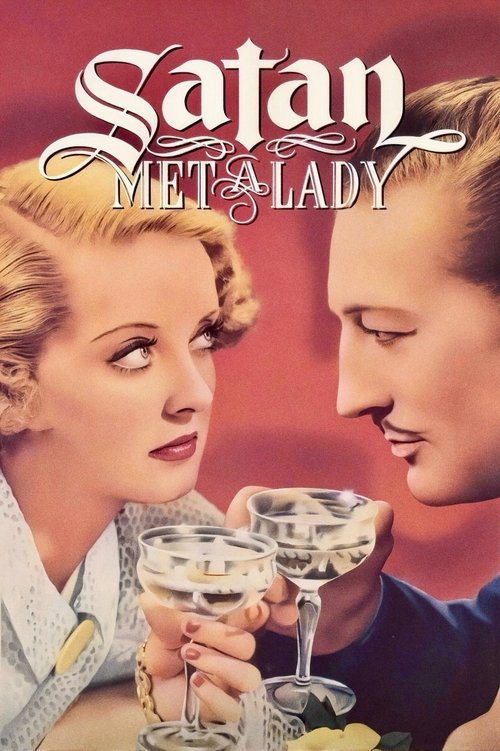
1936
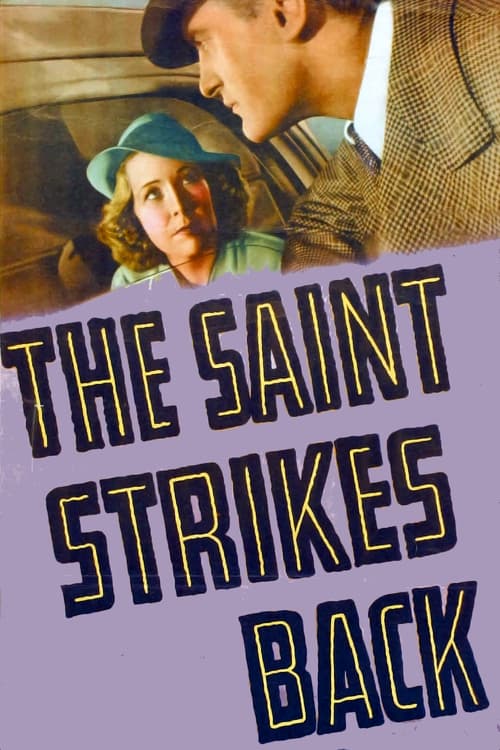
1939

1932
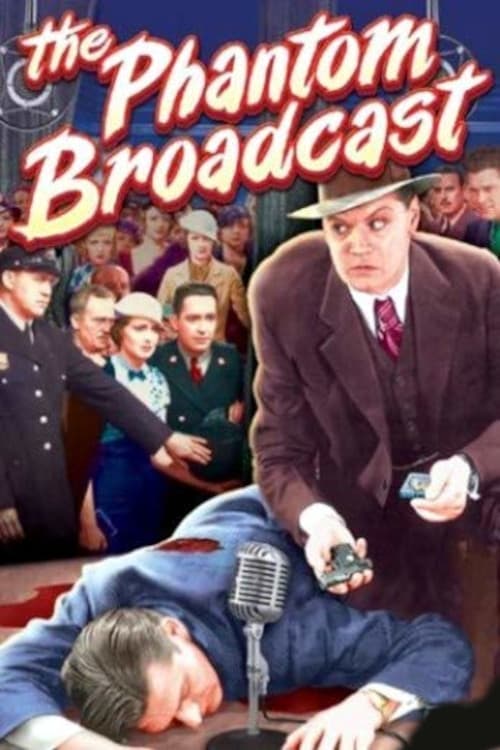
1933
No reviews yet. Be the first to share your thoughts on this movie!
Use the rating form above to leave a star rating and optional review.