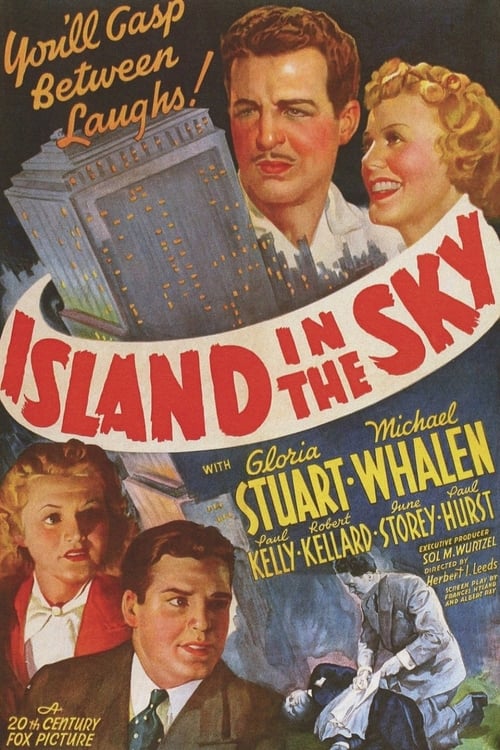
Island in the Sky
1938
No user ratings available yet
Representation score: 1.6 out of 10
Representation Score
Minimal
1937
ApprovedDirector
Frank McDonald
Runtime
59 minutes
Average Rating
No ratings yetNew Showbiz Analysis
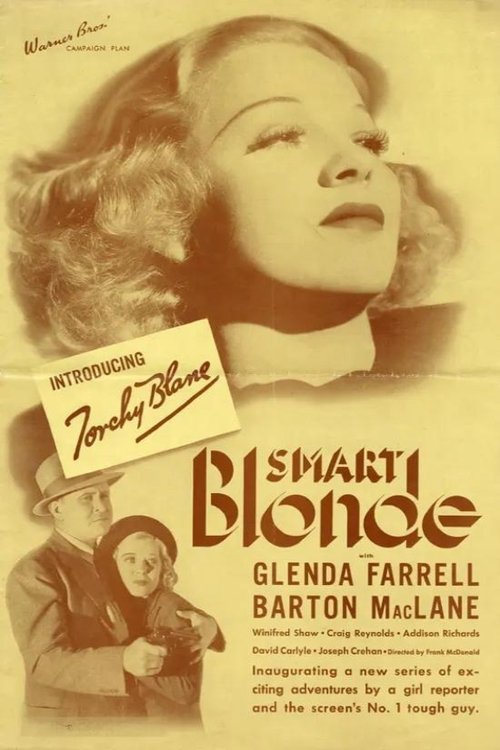
Smart Blonde reflects the social norms of its time, emphasizing homogeneous representation and established hierarchies. Although the female lead exhibits intellectual ability to act and professional competence, her abilities are often validated through her relationship with a male figure. The film lacks multi-layered complexity and focuses on reinforcing the social order of the 1930s.
Category Breakdown
The film doesn't include any LGBTQ+ characters or non-cisgender identities. The main character is in a traditional heterosexual relationship with her boyfriend.
Torchy Blane shows some independence as a reporter, demonstrating professional competence and intellect. However, her abilities are often validated through her relationship with a male law enforcement officer.
The cast is predominantly white and fits the Anglo-Saxon demographics typical of 1930s cinema. There are no non-white lead characters or diverse casting choices.
The story upholds traditional Western values and emphasizes social order, following a clear moral binary where law enforcement restores stability.
Characters are shown as fully able-bodied. There is no depiction of physical, sensory, or neurodivergent disabilities.
Present on Screen
Limited or Absent
Official Synopsis
Ambitious reporter Torchy Blane guides her policeman boyfriend to correctly pinpoint who shot the man she was interviewing.
1938
1936

1946
1941
1938
1934
1937
1933
No reviews yet. Be the first to share your thoughts on this movie!
Use the rating form above to leave a star rating and optional review.