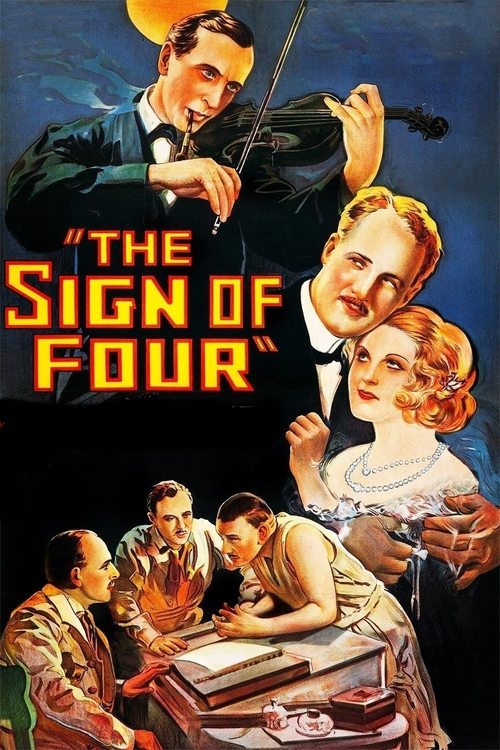
The Sign of Four: Sherlock Holmes' Greatest Case
1932
No user ratings available yet
Representation score: 0.6 out of 10
Representation Score
Minimal
1931
NRDirector
Jack Raymond
Runtime
66 minutes
Average Rating
No ratings yetNew Showbiz Analysis
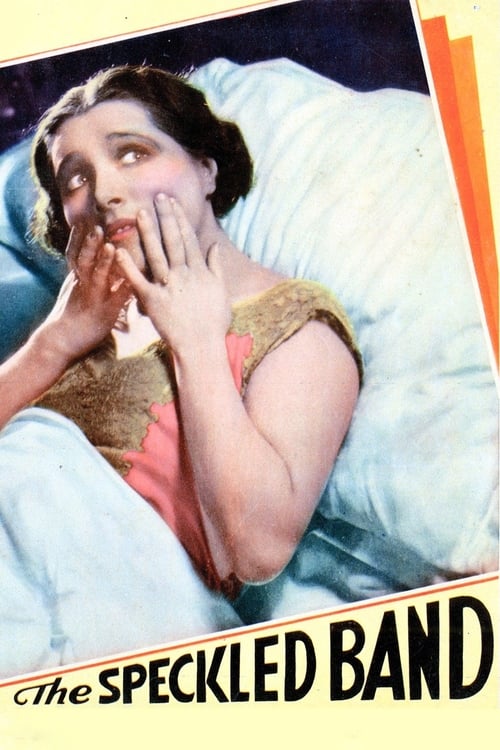
The Speckled Band (1931) functions as a period-accurate mystery that mirrors the social hierarchies of its era. It relies on traditional archetypes, offering a narrative centered on the English landed gentry and established patriarchal authority. While the film provides a classic procedural experience, it lacks multi-layered complexity. The storytelling is built upon a singular, Eurocentric perspective that avoids any disruption of conventional social norms. Ultimately, the production serves as a baseline for early 20th-century cinematic standards, providing little representation outside of the dominant white, straight, and able-bodied demographics of the time.
Category Breakdown
The film strictly follows the assumption that everyone is straight or cisgender. There are no depictions of non-straight or non-cisgender identities or same-sex relationships.
Women's roles are largely reactive, with the protagonist defined by her vulnerability. Power dynamics favor male figures, reinforcing a patriarchal structure where women are subjects of protection.
The cast is predominantly white and Anglo-Saxon, reflecting the demographic homogeneity of early British cinema. No non-white characters are included in this Eurocentric setting.
The narrative reinforces traditional Western institutional stability and the sanctity of the domestic manor. It upholds established social orders without offering any secularist or anti-capitalist critique.
There are no visible or invisible disabilities portrayed within the central cast. The film does not engage with neurodivergence or physical impairment.
Present on Screen
Limited or Absent
Official Synopsis
After her sister dies under mysterious circumstances, a young heiress seeks Holmes' help when she feels threatened by her brutish stepfather.
1932
1939
1939
1944
1937
1954
1931
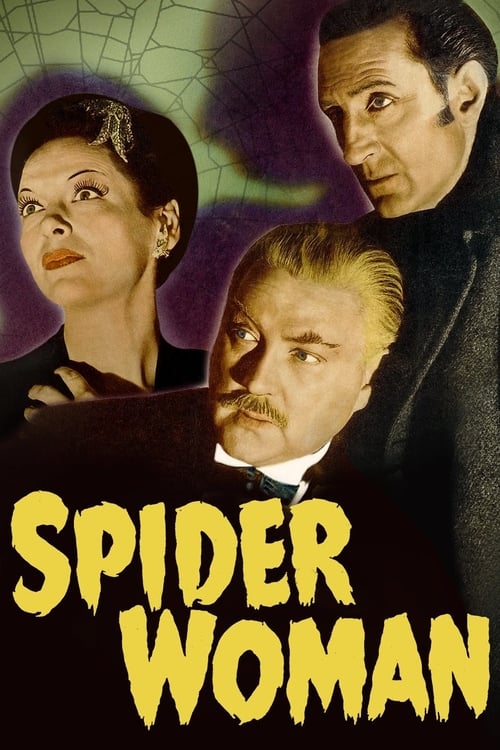
1943
No reviews yet. Be the first to share your thoughts on this movie!
Use the rating form above to leave a star rating and optional review.