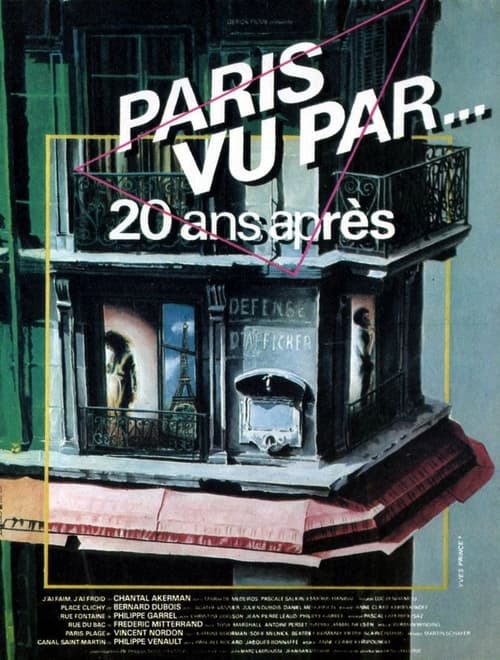
Paris Seen By... 20 Years After
1984
No user ratings available yet
Diversity score: 6.1 out of 10
1951
Not RatedDirector
James Broughton
Runtime
15 minutes
Average Rating
No ratings yetSynopsis
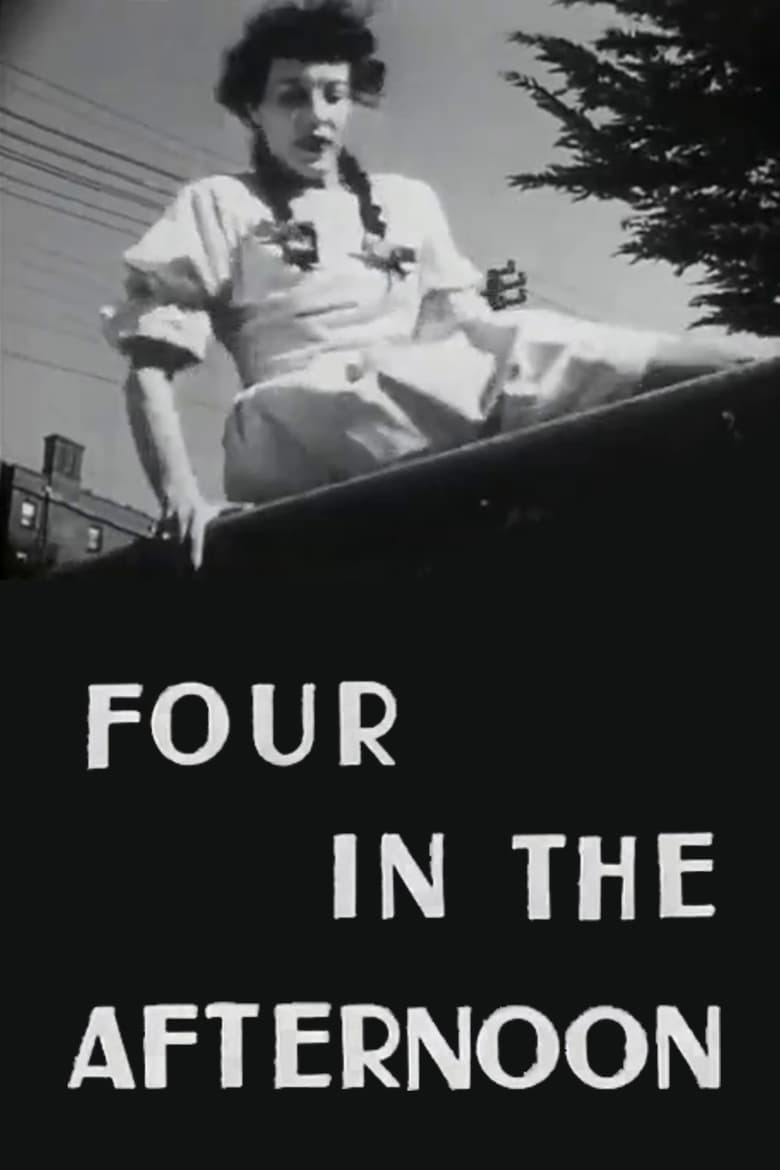
Poems narrate four afternoon vignettes; each protagonist is older than the one in the previous sketch.
Overall Score
Fair
Category Breakdown
LGBTQ+ Representation
The film moves away from heteronormative storytelling through its experimental structure. While specific identities remain unstated, the vignettes prioritize subjective experience over traditional romantic archetypes.
Gender Representation
Broughton uses poetic vignettes to examine gendered experiences through emotional vulnerability. The work challenges mid-century domestic hierarchies by focusing on existential flux rather than rigid roles.
Racial & Ethnic Diversity
The film focuses on temporal and psychological progression rather than racial identity. There is little evidence regarding a diverse cast within this historical context.
Religious & Cultural Diversity
The use of poetry to narrate vignettes favors a fluid, existentialist interpretation of life. This avant-garde framework disrupts standard Western dramatic arcs and institutional storytelling.
Disability Representation
There is no evidence suggesting that disability or neurodivergence serves as a central narrative component in these vignettes.
Strengths
Areas for Improvement
AI Analysis
James Broughton’s avant-garde pedigree brings an intentionality toward non-conformity and the disruption of social norms. The film's structure, utilizing poetic vignettes to explore aging, allows for a nuanced look at human experience beyond traditional archetypes. However, the work is limited by its 1951 historical context. The lack of specific demographic data regarding casting makes it difficult to verify racial or ethnic diversity, resulting in a lower score for those categories. Ultimately, the film succeeds as a subversive piece of experimental cinema. It prioritizes subjective, non-linear truths over conventional narrative structures, offering a more fluid exploration of the human condition.
1984
1984
1965
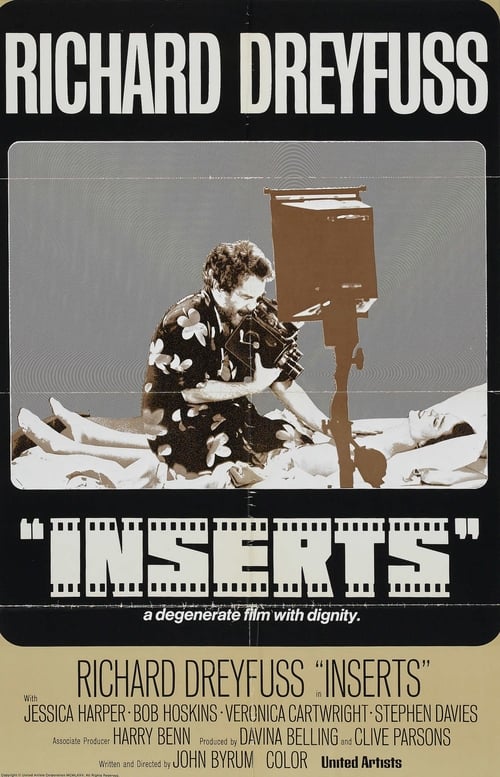
1975
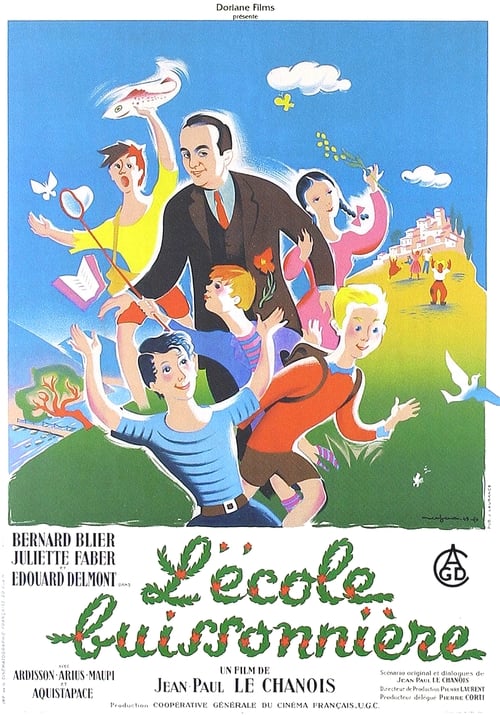
1949

2021

1962
1983

1965

2014

1969
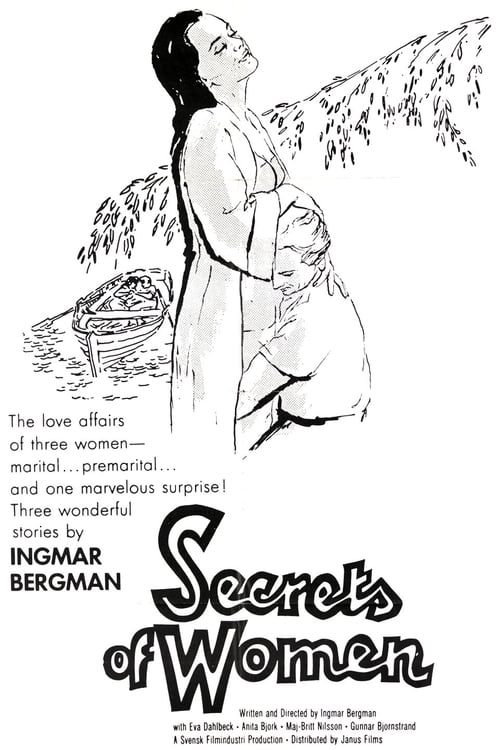
1952
No reviews yet. Be the first to share your thoughts on this movie!
Use the rating form above to leave a star rating and optional review.