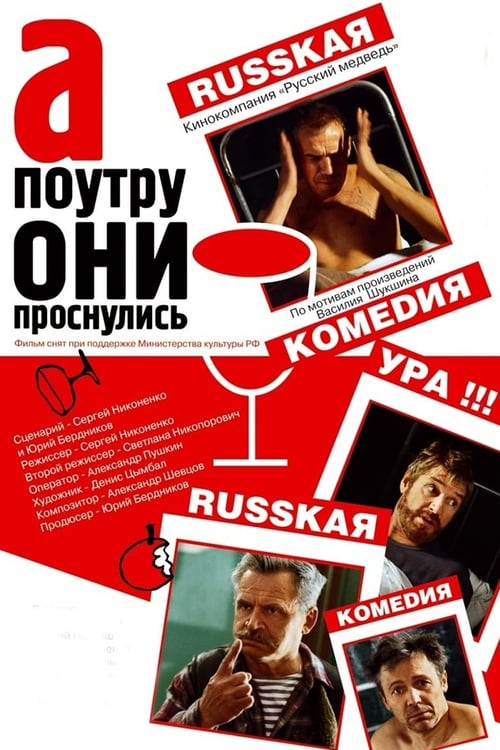
And in the Morning They Woke Up
2003
No user ratings available yet
Representation score: 4.8 out of 10
Representation Score
Fair
2014
Director
Sergey Oldenburg-Svintsov
Runtime
85 minutes
Average Rating
No ratings yetNew Showbiz Analysis
The film functions as a postmodern exploration of fragmented conversations and existential dialogue, prioritizing aesthetic and existential themes over systemic social commentary. It operates within a localized Russian urban context, focusing on the mundane and interpersonal relationships rather than identity-driven political frameworks. Because the narrative structure is built around fragmented time and dialogue, it does not intentionally pursue diverse representation. The film prioritizes style and existential themes over sociopolitical disruption. Ultimately, the work serves as a stylistic homage to minimalist cinema, lacking the systemic markers or the centering of underrepresented individuals required for a higher diversity score.
Category Breakdown
The film centers on conversations and romantic relationships but does not explicitly address non-binary gender identities or challenge assumptions about straight relationships.
It explores modern dating and social interactions through detailed character studies. However, it does not consistently challenge traditional gender roles or examine gender-based power dynamics.
Set in a contemporary Russian city, the cast reflects a specific local population. The narrative focuses on a relatively uniform social setting.
The film highlights everyday human connections and existential themes. It avoids singular religious morality but does not engage in broader critiques of Western or capitalist systems.
There is no evidence of characters with visible or invisible disabilities influencing the narrative. The focus remains on typical social interactions and human connections.
Present on Screen
Limited or Absent
Official Synopsis
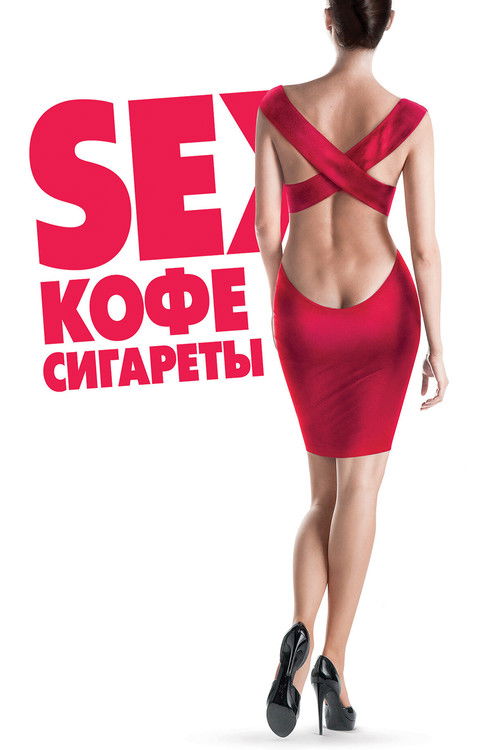
Eleven comedic vignettes featuring conversations – some important, some less so – held in restaurants over coffee and cigarettes (how quickly time flies – cigarettes are banned in Russia’s restaurants now). The conversations are candid, and even veer into the territory of murder. In the final credits, the director apologizes to Jim Jarmusch, whose work (in the anthology Coffee and Cigarettes, which Jarmusch shot in pieces over many years) Oldenburg-Svintsov is clearly indebted to. Sex, Coffee, Cigarettes’s kinship with Jarmusch’s film extends to the fact that superstars play tiny roles in almost all of the vignettes.
2003
2001

2004

2007
1998
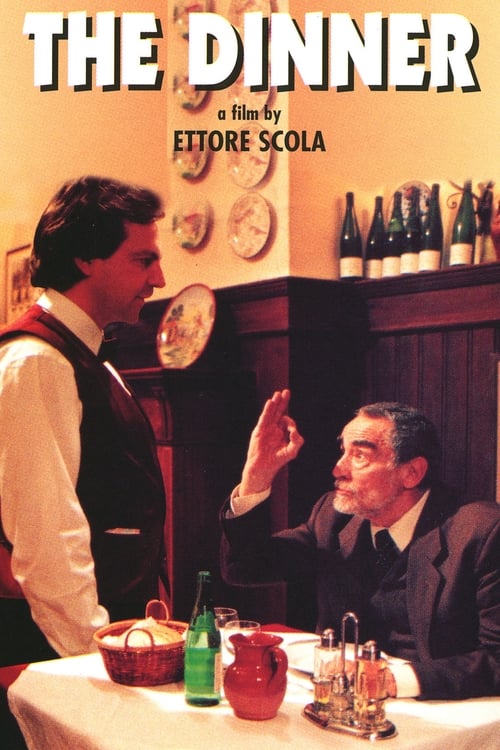
1998
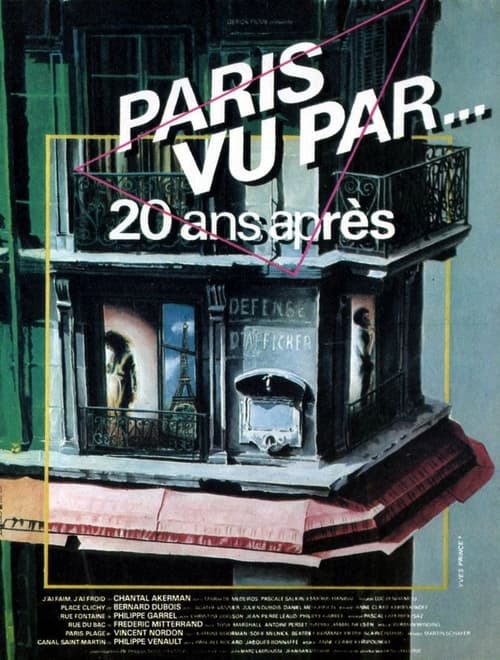
1984
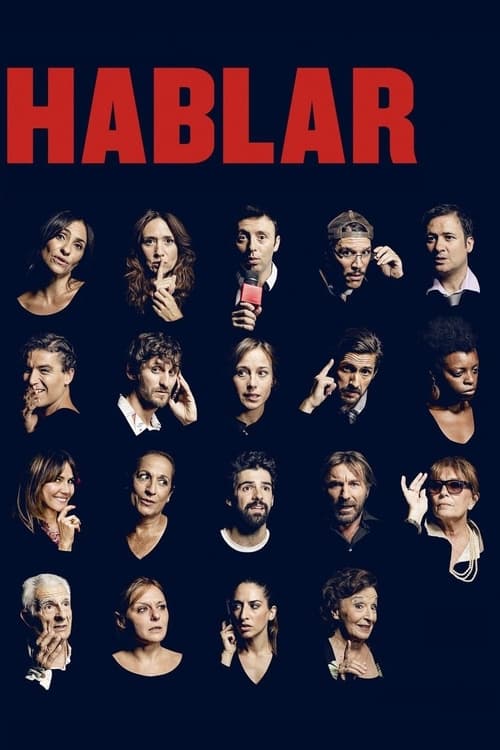
2015
No reviews yet. Be the first to share your thoughts on this movie!
Use the rating form above to leave a star rating and optional review.