
Lo que el viento trajo
1941
No user ratings available yet
Representation score: 1.9 out of 10
Representation Score
Fair
1949
Director
Jean-Paul Le Chanois
Runtime
89 minutes
Average Rating
No ratings yetNew Showbiz Analysis
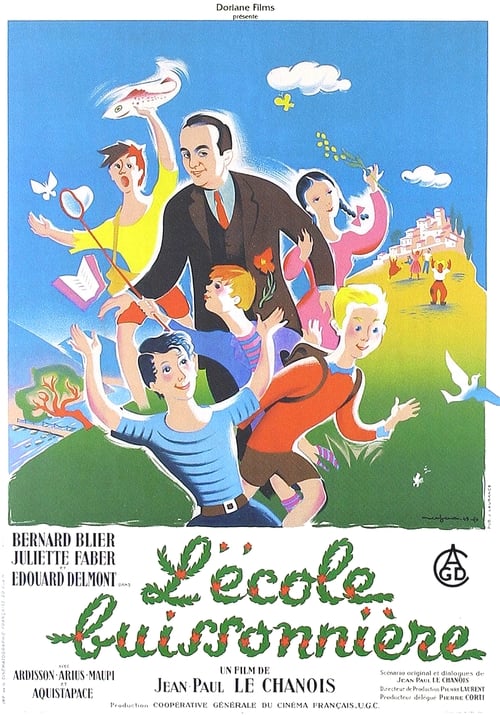
Truant School is a humanist exploration of disrupting institutional norms. It centers on a teacher's effort to replace rigid, top-down instruction with a collaborative, nature-based discovery method in a 1920s French village. Though the film lacks modern markers of diversity like LGBTQ+ identities and racial diversity, its narrative structure is progressive. It challenges established social hierarchies and celebrates non-conformist teaching methods. The film's strength lies in its critique of systemic rigidity, but it remains rooted in the demographic homogeneity of its specific historical and geographic context.
Category Breakdown
The film does not explore non-straight relationships or identities. It focuses on the relationship between a teacher and students, and the social conflicts with village leadership.
Monsieur Pascal is the main male character. The story empowers a diverse group of students to take control from a strict, patriarchal system.
Set in 1920s rural Provence, the film reflects the homogeneous demographics of the time. There is no indication of diverse casting or intentional racial blending.
The film criticizes traditional Western institutions by showing village leaders as resistant forces. It prioritizes humanist growth and personal connections over rigid, state-imposed doctrines.
There are no specific depictions of physical or neurodivergent disabilities in the narrative.
Present on Screen
Limited or Absent
Official Synopsis
1920, in a small village in Provence. Monsieur Pascal, a young schoolteacher, is faced with a lack of interest from his pupils. He decides to radically change the methods employed by his predecessor. He listens to the children, draws inspiration from their discoveries and takes them out into nature. The pupils will rediscover the pleasure of learning, and he will rediscover the pleasure of teaching. But some parents and notables don't take kindly to this little revolution.
1941
1933
1933

1945
1937

1975
1987

2006
No reviews yet. Be the first to share your thoughts on this movie!
Use the rating form above to leave a star rating and optional review.