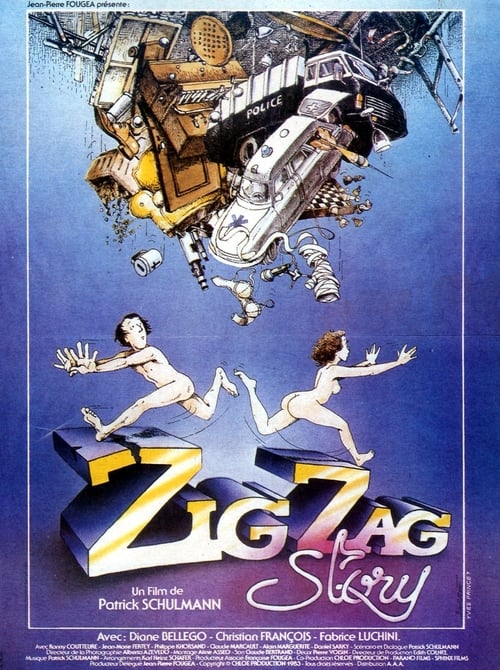
Zig Zag Story
1983
No user ratings available yet
Representation score: 5.0 out of 10
Representation Score
Fair
1983
PGDirector
Alain Resnais
Runtime
110 minutes
Average Rating
No ratings yetNew Showbiz Analysis
Alain Resnais creates a sophisticated postmodern fable that challenges traditional narrative structures. By prioritizing female subjectivity and deconstructing the concept of a singular, objective truth, the film offers an intellectually progressive perspective on identity and time. However, the film remains limited by the demographic constraints of its era. The casting and settings are largely homogeneous, lacking the depth of representation found in more contemporary cinema. Ultimately, while the film challenges traditional narrative hierarchies, it maintains a conservative approach to racial and sexual identity, resulting in a specialized but narrow scope of representation.
Category Breakdown
The film explores romantic relationships and emotional fluidity but does not include explicit LGBTQ+ identities or narratives centered around queer experiences.
Marie is a central character whose internal perception and emotional journey are emphasized. The film prioritizes her personal growth over traditional milestones.
The film is set in specific European historical and fantastical contexts and reflects the demographic homogeneity of its era. It does not include diverse casting or racial blending.
The film questions the stability of historical memory and presents a utopian storyline that critiques social structures through a secular, postmodern lens.
The film focuses on metaphysical themes and Méliès-inspired fantasy. It does not depict physical or neurodivergent disabilities.
Present on Screen
Limited or Absent
Official Synopsis
In this whimsical fable, Resnais deftly interweaves three story lines: the creation of an early-20th-century utopia; romantic high jinks at a school conference; and a fantasy sparked by F/X pioneer Georges Méliès.
1983

1952
1984
1974

1977

1988

1984
1985
No reviews yet. Be the first to share your thoughts on this movie!
Use the rating form above to leave a star rating and optional review.