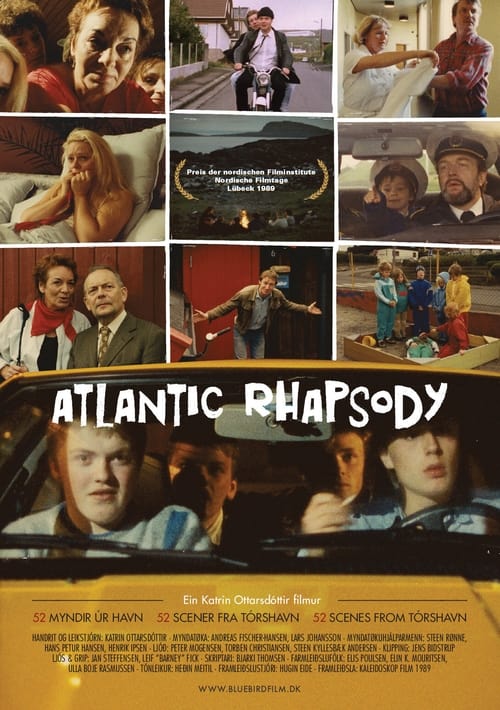
Atlantic Rhapsody
1989
No user ratings available yet
Representation score: 5.1 out of 10
Representation Score
Good
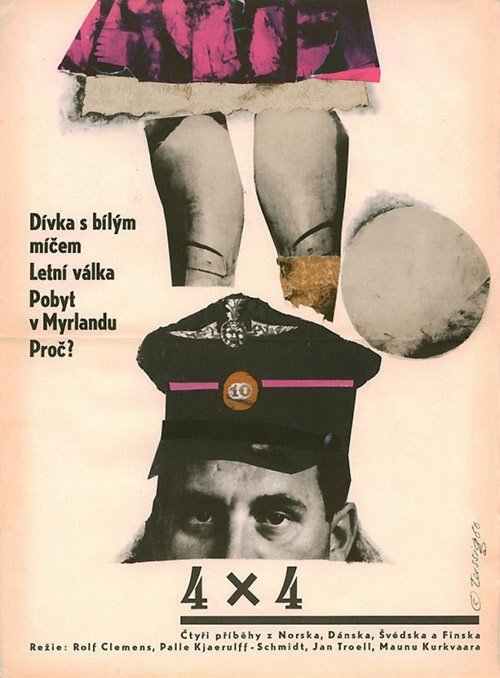
1965
Director
Maunu Kurkvaara, Jan Troell, Klaus Rifbjerg, Rolf Clemens, Palle Kjærulff-Schmidt
Runtime
75 minutes
Average Rating
No ratings yetNew Showbiz Analysis
4 x 4 stands as a significant example of Scandinavian cinematic modernism. Its strength lies in a narrative structure that uses multiple perspectives to break down monolithic storytelling. By using a collaborative, multinational approach, the film challenges the idea of a single, unified national identity. The film emphasizes social realism and the lived experiences of individuals over idealized characters. Although it doesn't include the explicit identity-based representations expected today, its structural resistance to centralized authority figures marks it as a progressive work for 1965. Ultimately, the film serves as a precursor to storytelling that reflects multiple aspects of identity, focusing on humanism and social critique over traditional institutional stability.
Category Breakdown
The film doesn't clearly depict non-straight identities, but the era suggests a shift towards more complex interpersonal relationships rather than traditional heterosexual norms.
Female characters likely have roles defined by psychological depth and strong influence over the plot. The film seems to challenge traditional gender roles typical of the Nordic New Wave.
The narrative centers on the homogeneous social landscapes of mid-60s Scandinavia. It reflects the historical reality of localized storytelling focused on regional social environments.
The multi-national anthology format breaks down the idea of a single national identity. It presents a fragmented, subjective view of reality that favors a pluralistic, postmodern perspective.
There are no specific instances of disability shown in the film. However, the directors' realist approach often includes portrayals of mental health and the experience of being an outsider.
Present on Screen
Limited or Absent
Official Synopsis
Four short stories from Norway, Denmark, Sweden and Finland.
1989

2000
1952

1991
2004
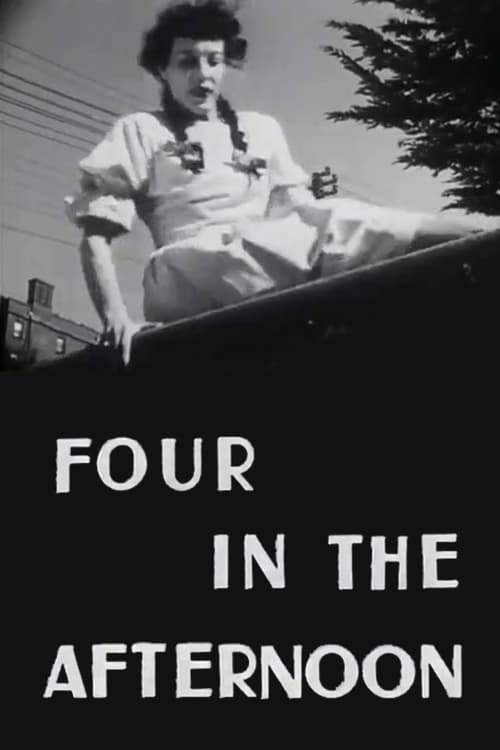
1951
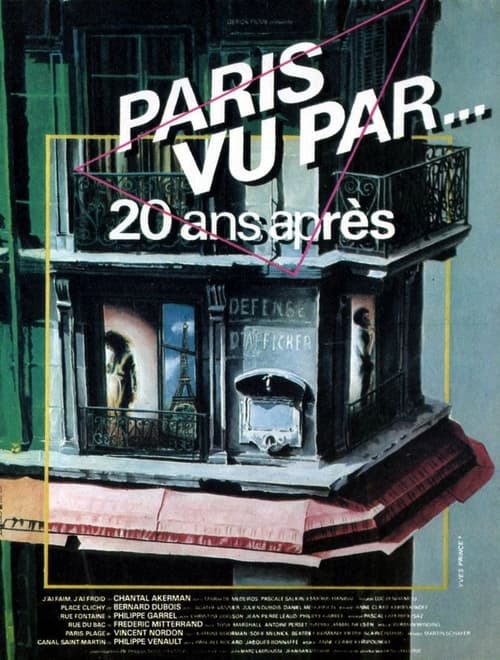
1984

2005
No reviews yet. Be the first to share your thoughts on this movie!
Use the rating form above to leave a star rating and optional review.