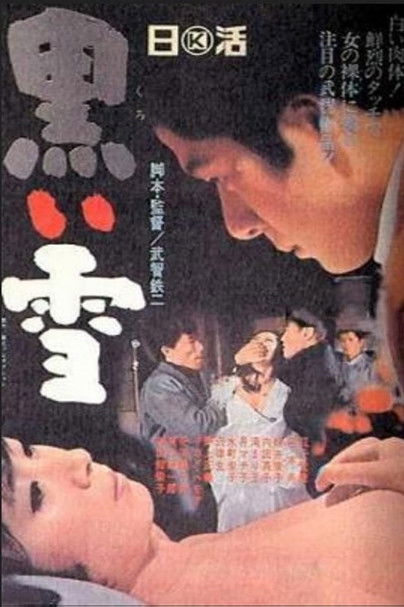
Black Snow
1965
No user ratings available yet
Representation score: 6.8 out of 10
Representation Score
Limited
1964
Director
Yoshitarō Nomura
Runtime
163 minutes
Average Rating
No ratings yetNew Showbiz Analysis
The film excels in its psychological subversion of gender roles. By turning the 'innocent maiden' cliché into a powerful tool, the protagonist transforms passive stereotypes into a force of violence, thereby challenging traditional social hierarchies. However, the film lacks diverse representation. It remains culturally homogeneous and does not address LGBTQ+ identities or disability as central themes or lived experiences, focusing instead on a single, gender-focused narrative arc. Ultimately, the film operates as a character study that uses a specific cultural perspective to explore the tension between personal morality and rigid societal structures.
Category Breakdown
The film does not include any characters or stories related to LGBTQ+ identities.
The protagonist challenges the typical submissive female stereotype by using her perceived innocence as a strategic advantage to drive the plot's violent conclusion.
This 1964 Japanese film features a cast that is primarily of the same ethnicity, focusing on the exploration of Japanese social norms and family obligations.
The story critiques established social and medical systems through the protagonist's actions in response to systemic failures. It examines the ethical dilemmas faced when rejecting conventional legal morality.
The father's illness serves as a plot device rather than a detailed exploration of disability as a core identity or source of ability to act.
Present on Screen
Limited or Absent
Official Synopsis
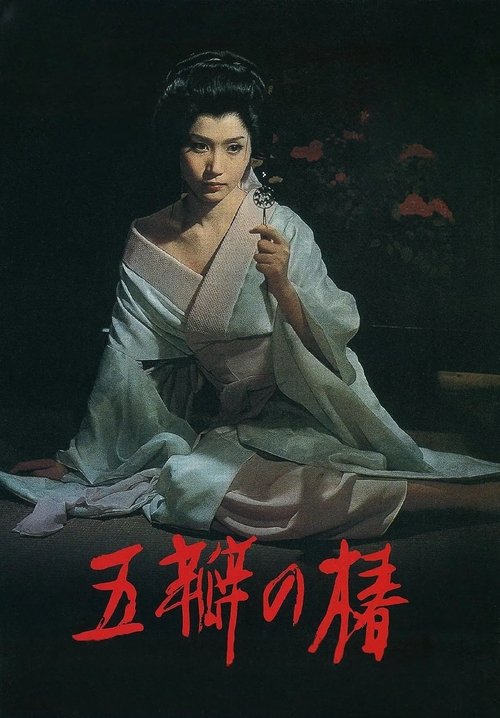
A young woman begins murdering all those responsible for her ailing father's condition. Because the girl is so outwardly sweet and innocent, the detective looking into the deaths does not suspect her.
1965

1972

2011

1968

1965

1994
1966
1974
No reviews yet. Be the first to share your thoughts on this movie!
Use the rating form above to leave a star rating and optional review.