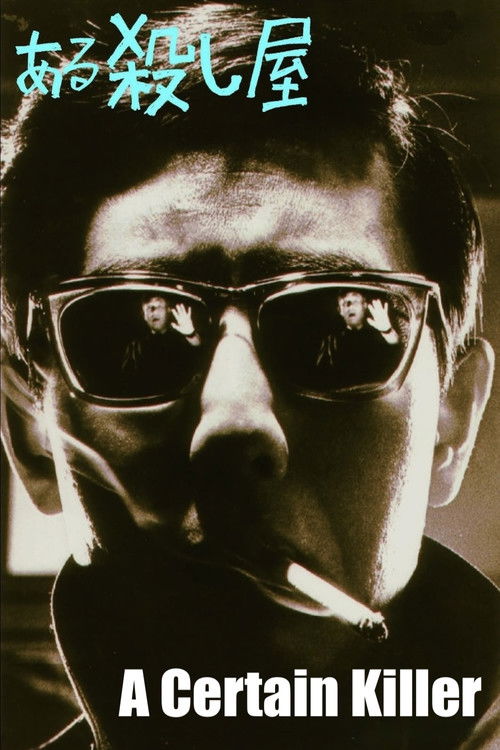
A Certain Killer
1967
No user ratings available yet
Diversity score: 4.1 out of 10

2018
Director
Toshiyuki Morioka
Runtime
95 minutes
Average Rating
No ratings yetSynopsis
A low-ranking yakuza is given the mission to kill a high-ranking yakuza from a rival group. Wanting recognition, he accepts the assignment, only to meet an enthusiastic office lady.
Overall Score
Limited
Category Breakdown
LGBTQ+ Representation
The film lacks evidence of non-cisnormative identities or same-sex intimacy. The central conflict follows a traditional romantic encounter between a male protagonist and an office lady.
Gender Representation
The narrative relies on the common 'office lady' archetype. It remains unclear if the female character possesses genuine agency or merely serves as a catalyst for the male lead.
Racial & Ethnic Diversity
Set within a Japanese cultural context, the film reflects a homogeneous demographic. It does not actively engage with diverse ethnic identities or subvert casting norms.
Religious & Cultural Diversity
The story explores the friction between rigid criminal hierarchies and civilian life. It critiques traditional institutional structures through the protagonist's desire for recognition.
Disability Representation
There is no documented evidence regarding the inclusion of characters with visible or invisible disabilities.
Strengths
Areas for Improvement
AI Analysis
Think Again, Junpei is a character-driven crime drama that prioritizes individual internal conflict over broad sociopolitical commentary. The story centers on a low-ranking Yakuza member navigating rigid professional hierarchies and unexpected personal connections. While the film potentially critiques traditional institutions through the protagonist's hesitation, it adheres to conventional storytelling patterns. The narrative lacks the intersectional complexity or intentional subversion of demographic norms necessary for a higher diversity rating. Ultimately, the film functions as a genre-standard study of power dynamics and social structures within a homogeneous setting.
1967

1997
1995

1994

2023
1997

1986

2011
1996

1999

2011
1973
No reviews yet. Be the first to share your thoughts on this movie!
Use the rating form above to leave a star rating and optional review.