The Wings of the Kirin
2012
No user ratings available yet
Representation score: 3.9 out of 10
Representation Score
Good
2011
Director
Yoshihiro Fukagawa
Runtime
149 minutes
Average Rating
No ratings yetNew Showbiz Analysis
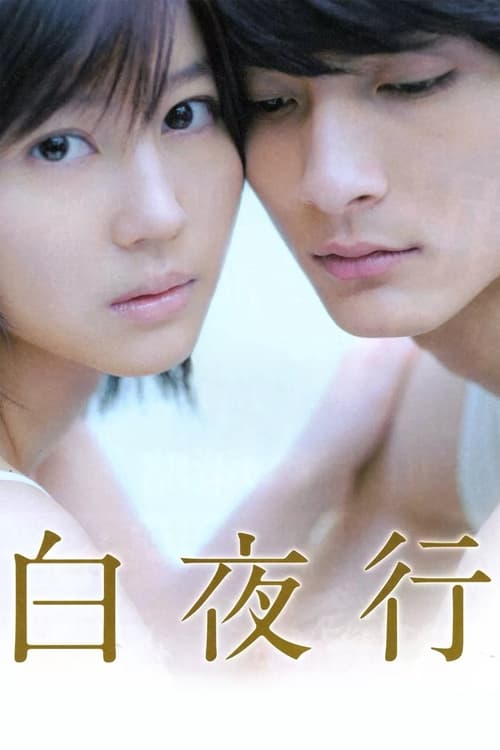
Into the White Night is a psychological crime drama that emphasizes character's ability to drive the story and systemic critique over diverse demographic representation. It excels in subverting traditional gender roles by featuring a highly autonomous female protagonist who navigates danger with strategic intellect. The film's strength lies in its critique of flawed legal systems and traditional social institutions, along with its nuanced portrayal of the psychological impacts of trauma. However, the production remains culturally homogeneous and lacks explicit representation of LGBTQ+ identities or physical disabilities.
Category Breakdown
The film showcases a unique relationship between Yukiho and Ryouji that goes beyond typical heterosexual expectations. Their bond is intimate and non-traditional, though it doesn't explicitly label their relationship as LGBTQ+.
Yukiho stands out as a strong, independent female character who drives the plot with her strategic thinking and autonomy, challenging traditional gender roles.
Set in Osaka, the film features a predominantly Japanese cast reflecting the local demographics. It does not seek to include a multi-ethnic or international cast.
The movie critiques traditional societal and legal institutions, emphasizing the personal struggles of underrepresented individuals over state authority.
The film delves into the psychological trauma and fragmented upbringing of its characters. However, these emotional and mental health issues are primarily used to drive the plot rather than representing disabilities.
Present on Screen
Limited or Absent
Official Synopsis
A pawn shop owner in Osaka is murdered, but due to a lack of conclusive evidence the police lists the man's death as a suicide. Detective Sasagaki, who investigated the case, can't forget the dark eyes of the main suspect's daughter Yukiho and the pawn shop owner's son Ryouji. As time goes by, more mysterious deaths surround Yukiho & Ryouji. Detective Sasagaki still unable to let go of the pawn shop owner case discovers startling details about Yukiho and Ryouji ...
2012
2008
1997
2014
1964
2001
1994
2022
No reviews yet. Be the first to share your thoughts on this movie!
Use the rating form above to leave a star rating and optional review.