Diary of a Pregnant Woman
1958
No user ratings available yet
Diversity score: 6.4 out of 10
1986
NRDirector
Agnès Varda
Runtime
22 minutes
Average Rating
No ratings yetSynopsis
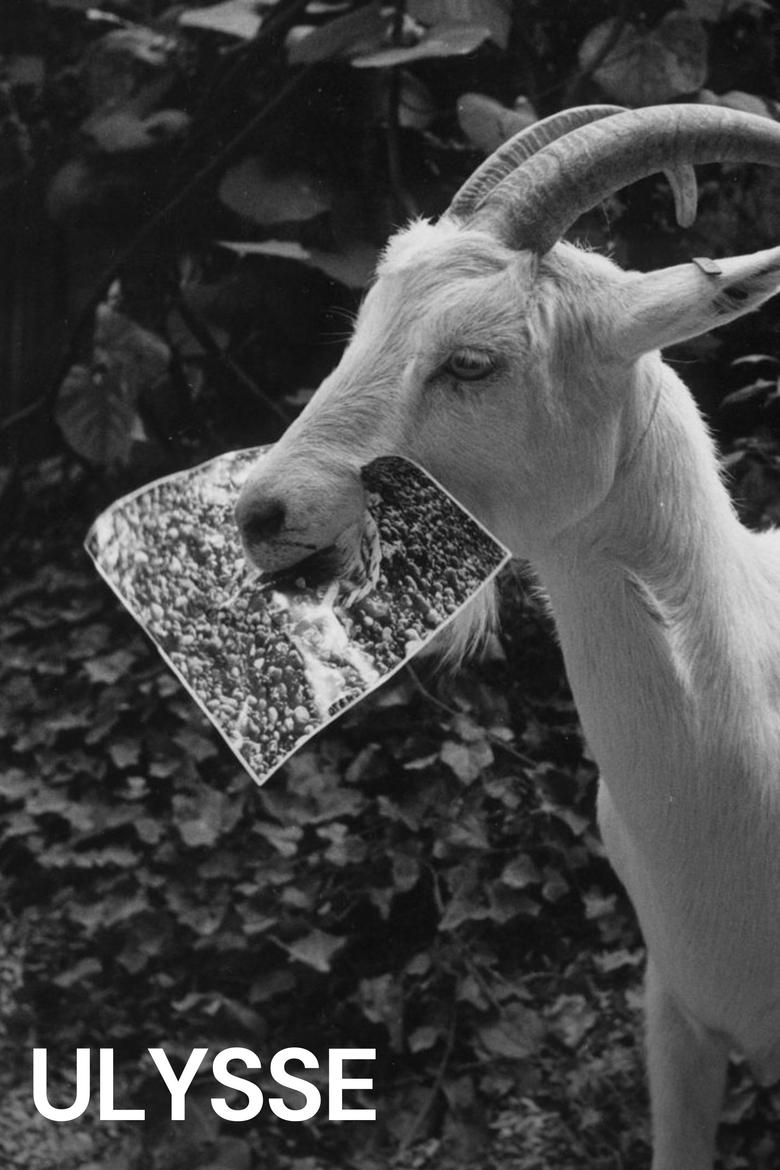
At the sea shore, a goat, a child, and a naked man. This is a photograph taken in 1954 by Agnès Varda. The goat was dead, the child was named Ulysses, and the man was naked. Starting from this frozen image, the film explores the real and the imaginary.
Overall Score
Good
Category Breakdown
LGBTQ+ Representation
The film lacks explicit LGBTQ+ characters or romantic storylines. While the experimental style allows for identity fluidity, there is no specific queer narrative present.
Gender Representation
Varda utilizes a profound female gaze to prioritize subjective, interior experiences. This approach disrupts traditional masculine-driven storytelling hierarchies in favor of contemplative, poetic perspectives.
Racial & Ethnic Diversity
The film focuses on a localized, personal memory rather than multiculturalism. There is no evidence of significant racial diversity or active whitewashing in the imagery.
Religious & Cultural Diversity
The work embraces postmodern subjectivity by blurring the lines between reality and imagination. It challenges rigid Western frameworks through a focus on the ephemeral and sensory.
Disability Representation
No characters with visible or invisible disabilities are explicitly centered. The film instead explores the fragility of the body and the vulnerability of life.
Strengths
Areas for Improvement
AI Analysis
Agnès Varda’s *Ulysse* is an experimental essay film that prioritizes the female gaze and subjective experience over traditional narrative structures. Its strength lies in its intellectual subversion of patriarchal storytelling through poetic, sensory exploration. However, the film's highly localized and personal focus limits its demographic breadth. It lacks explicit representation regarding LGBTQ+ identities, racial diversity, or disability agency, functioning more as a philosophical inquiry than a diverse social study.
1958
1975
2002
1978
1986
2019
1982
1967
1958
2008

1966

1963
No reviews yet. Be the first to share your thoughts on this movie!
Use the rating form above to leave a star rating and optional review.