Shadows
1960
No user ratings available yet
Representation score: 6.5 out of 10
Representation Score
Fair
1991
RDirector
Spike Lee
Runtime
132 minutes
Average Rating
No ratings yetNew Showbiz Analysis
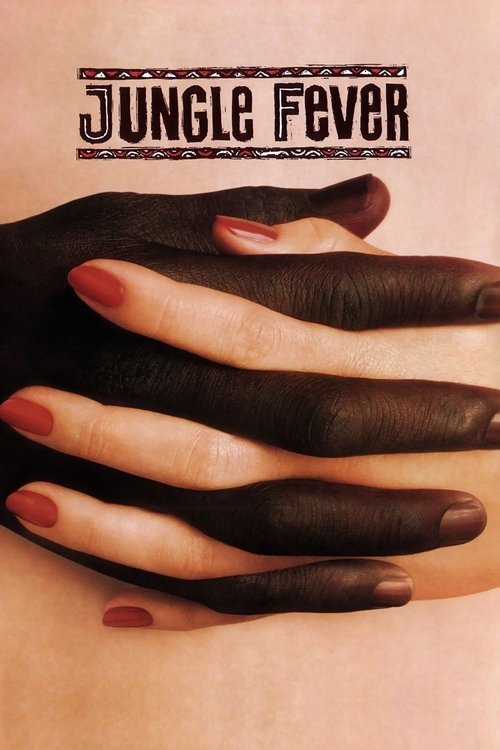
Spike Lee’s *Jungle Fever* is a sophisticated examination of the American color line. It goes beyond a simple romance to explore the tension between individual ability to act and communal identity. The film’s strength lies in its refusal to present a uniform experience, instead highlighting the complexities of identity-based power struggles. While it excels in depicting racial and cultural nuances, it remains rooted in straight-centered structures, lacking LGBTQ+ and disability-focused narratives. Ultimately, the film succeeds as a critique of systemic social constructs, providing a nuanced look at how these constructs shape personal lives.
Category Breakdown
The film does not include any significant LGBTQ+ characters or themes, focusing instead on heterosexual relationships.
Faye plays a significant role in driving the story, acting as a strong female lead who is not just a passive object.
The narrative centers around an interracial relationship that challenges historical taboos. It highlights the socioeconomic and cultural differences between Black and white communities in Brooklyn.
The film explores the situational ethics of its protagonists by critiquing the social pressures exerted by traditional racial and familial institutions.
There are no prominent depictions of visible or invisible disabilities that serve as central plot drivers or character developments.
Present on Screen
Limited or Absent
Official Synopsis
A successful and married black man contemplates having an affair with a white girl from work. He's quite rightly worried that the racial difference would make an already taboo relationship even worse.
1960
1990
1967
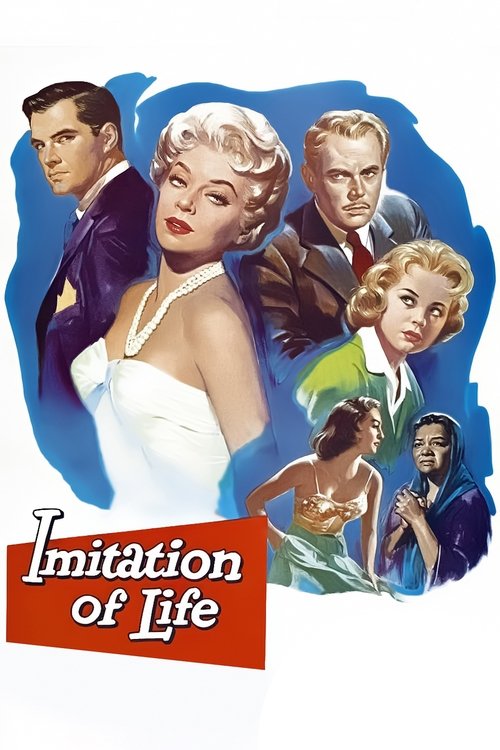
1959
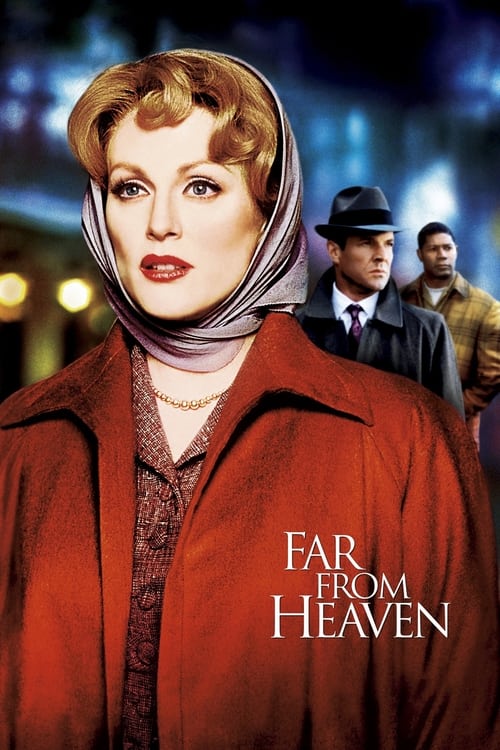
2002
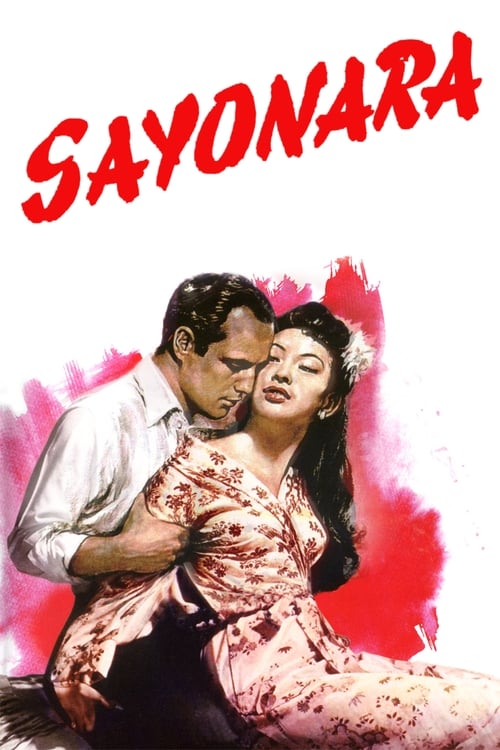
1957
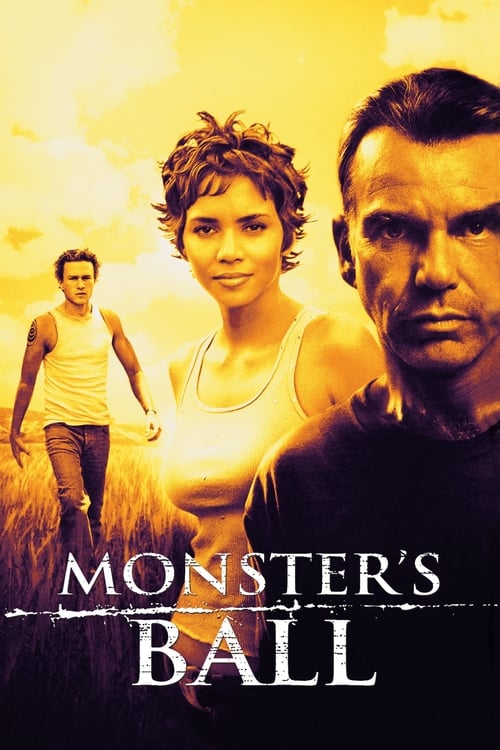
2001
1958
No reviews yet. Be the first to share your thoughts on this movie!
Use the rating form above to leave a star rating and optional review.