
Shadows
1960
No user ratings available yet
Representation score: 6.5 out of 10
Representation Score
Fair
1961
ApprovedDirector
Daniel Petrie
Runtime
128 minutes
Average Rating
No ratings yetNew Showbiz Analysis
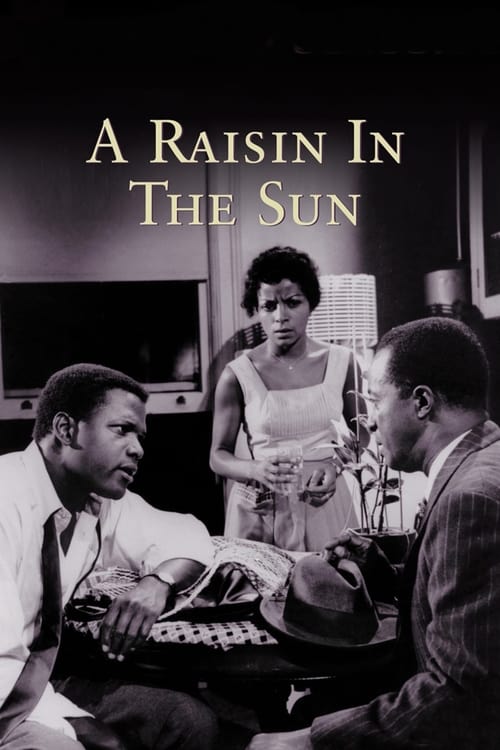
A Raisin in the Sun is a crucial cinematic work that challenges mid-century social hierarchies. By focusing on the lived experiences of a Black family, it delves deeply into systemic inequality and redlining. The film skillfully balances the struggle against institutionalized segregation with the internal dynamics of a household. It portrays characters who are not passive victims but active negotiators of their own dignity. While the film excels in critiquing racial and cultural issues, it remains limited by its focus on traditional family structures and lacks representation regarding disabilities.
Category Breakdown
The film does not include any LGBTQ+ characters or representations of non-straight relationships. The story centers around the tensions within a traditional nuclear family structure.
The narrative challenges traditional patriarchal norms by focusing on the moral authority of the matriarch, Lena. Characters like Ruth and Lena show significant control and resilience in the face of economic hardships.
This film stands out for its intentional representation, featuring an all-Black cast to challenge the homogeneity of 1960s cinema. It explores systemic inequality and housing discrimination through characters who actively negotiate their dignity.
The film questions the American Dream as an exclusionary ideal for minority communities. Religion is portrayed as a personal source of strength rather than a tool for institutional control.
There are no specific depictions of visible or invisible disabilities that play a central role in the main character arcs.
Present on Screen
Limited or Absent
Official Synopsis
Walter Lee Younger is a young man struggling with his station in life. Sharing a tiny apartment with his wife, son, sister and mother, he seems like an imprisoned man. Until, that is, the family gets an unexpected financial windfall.
1960

1955
1989

1937
1959

1965

1971
1960
No reviews yet. Be the first to share your thoughts on this movie!
Use the rating form above to leave a star rating and optional review.