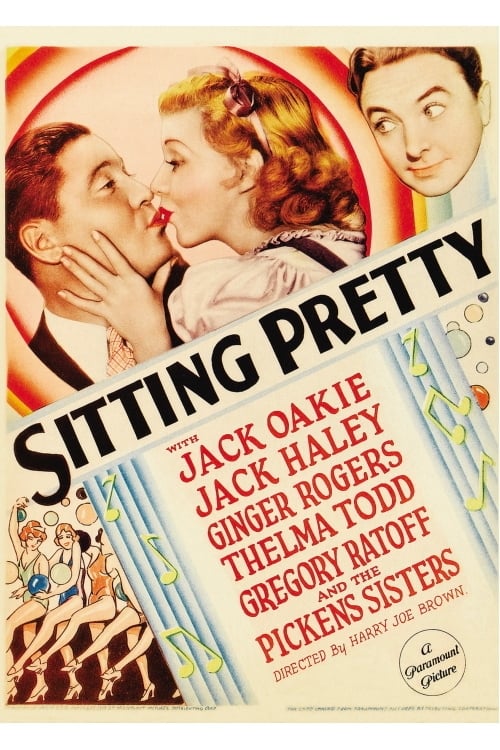
Sitting Pretty
1933
No user ratings available yet
Representation score: 1.1 out of 10

Representation Score
Minimal
1937
ApprovedDirector
Marshall Neilan
Runtime
66 minutes
Average Rating
No ratings yetNew Showbiz Analysis
Sing While You're Able functions as a conventional romantic comedy typical of the early studio system. It prioritizes established social hierarchies and regional archetypes over any form of multi-layered complexity. The film reinforces 1930s cultural norms through a standard urban-rural dichotomy. It lacks the intentionality needed to disrupt traditional identity-based frameworks, focusing instead on commercial interests and romantic progression. Ultimately, the work serves as a window into the era's preoccupation with mass media and regionalism without challenging the prevailing social structures of the time.
Category Breakdown
The film adheres to the assumption that everyone is straight or cisgender. There are no depictions of non-binary identities or same-sex relationships.
The story relies on traditional gender roles, featuring a male business owner and his daughter. While the daughter drives the plot, the film maintains conventional family dynamics.
The film focuses on a 'hillbilly' character from Arkansas, relying on regional stereotypes rather than showcasing a diverse cast.
The plot explores the tension between rural traditions and urban capitalism. It follows a standard fish-out-of-water storyline centered on the radio industry.
There is no evidence of characters with visible or invisible disabilities. The narrative focuses on musical talent and romantic comedy.
Present on Screen
Limited or Absent
Official Synopsis
A toy company owner and his daughter find a singing hillbilly in the Arkansas backwoods and take him back to the big city in hopes of helping their radio show ratings.
1933

1934
1938

1933

1937

1937

1935

1940
No reviews yet. Be the first to share your thoughts on this movie!
Use the rating form above to leave a star rating and optional review.