Revolution in Russia
1905
No user ratings available yet
Representation score: 2.6 out of 10
Representation Score
Fair
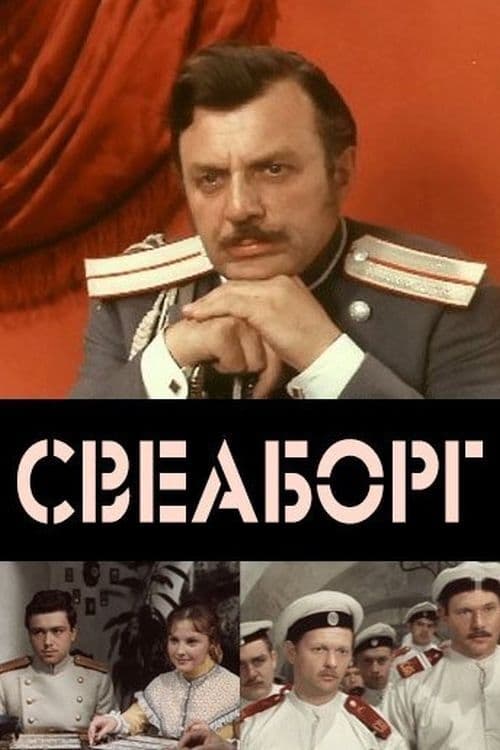
1972
Director
Sergey Kolosov
Runtime
141 minutes
Average Rating
No ratings yetNew Showbiz Analysis
Sveaborg is a historical drama that emphasizes class struggle and systemic change over individual identity politics. Its narrative strength lies in its critique of imperial structures and the actions of the oppressed classes. While the film offers a rich cultural critique of the Russian Empire, it lacks representation of LGBTQ+ identities, gender diversity, and disabilities. The focus is primarily on the military and political conflicts of the 1906 revolt. Ultimately, the film serves as a study of collective identity and revolutionary movements rather than a diverse character-driven narrative.
Category Breakdown
The film does not include explicit LGBTQ+ characters or stories focused on sexual orientation. Instead, it focuses on the socio-political tensions and class identity issues.
The story centers on masculine figures such as infantry soldiers and political activists. It emphasizes the conflict between the working class and the imperial state rather than exploring gender roles.
The plot examines the tension between Russian imperial occupiers and Finnish people. This highlights the complexities of identity within the context of the Russian Empire's presence in Finland.
The film effectively critiques imperial institutions, framing the Bolshevik-led revolution as a systemic challenge to oppressive state structures.
There is no indication of the portrayal of physical or neurodivergent disabilities in this historical drama.
Present on Screen
Limited or Absent
Official Synopsis
The film is based on history of the Russian Military garrison in Sveaborg (Suomenlinna, near Helsinki) in Finland, which was an autonomous part of Russian Empire. In 1906 Russia had about 12 thousand troops stationed in Sveaborg fortress. The riots were provoked by the Socialist - Revolutionaries who spread influence on the minds of Sveaborg garrison. First acts of un-subordination broke on July 17, 1906, when revolutionary sailors were supported by mine-men. Minemen were arrested and disarmed by the infantry regiment. Gunners decided to release their comrades. The following fight ignited a bloody revolt, that was headed by lieutenants A. Yemelyanov and Y. Kohansky, members of the Lenin's Bolshevik party. A general strike began in Helsinki on the next day. The revolt lasted three days and was crushed by the Baltic Fleet naval bombardment. Over 40 men were executed, hundreds were sentenced to prison.
1905
2020
1958
1925
1939
1966
1936

1981
No reviews yet. Be the first to share your thoughts on this movie!
Use the rating form above to leave a star rating and optional review.