
The Revenge of Frankenstein
1958
No user ratings available yet
Representation score: 2.5 out of 10
Representation Score
Fair
1967
ApprovedDirector
Terence Fisher
Runtime
92 minutes
Average Rating
No ratings yetNew Showbiz Analysis
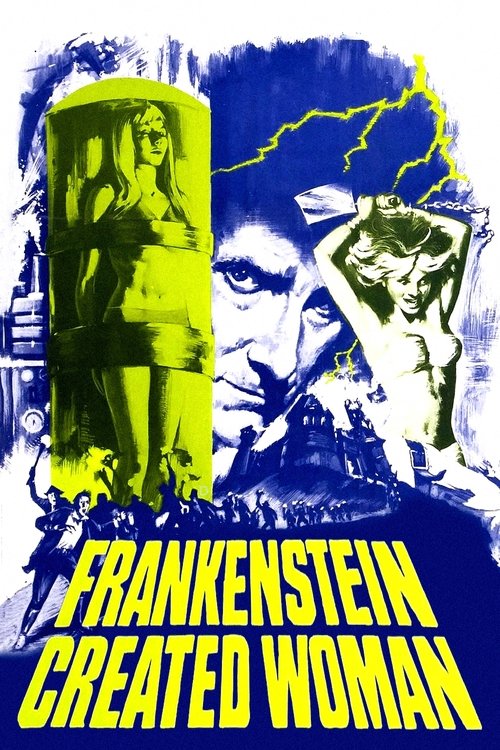
Frankenstein Created Woman stands out in the Hammer Horror canon by centering women's ability to drive the story. While the film adheres to the era's demographic norms, it disrupts the patriarchal structure of the Frankenstein mythos by making the female protagonist the engine of both scientific manipulation and violent retribution. However, the film remains limited by its lack of racial and LGBTQ+ diversity. The casting is strictly white and European, and the romantic themes are entirely heterosexual, reflecting the standard production constraints of 1967. Ultimately, the film is a study of psychological isolation and personal trauma. It uses disability and deformity as narrative tools for horror rather than providing a deep exploration of those lived experiences.
Category Breakdown
The film lacks any visible LGBTQ+ characters or non-straight relationships. Romantic motivations are strictly heterosexual, focusing entirely on the protagonist's bond with a male love interest.
The film challenges traditional gender roles by positioning a female character as the primary driver of the plot. She uses science to manipulate life and death, shifting focus away from traditional masculine leadership.
The cast is a homogeneous, white European group consistent with 1960s British horror standards. There is no evidence of race-blind casting or intentional ethnic diversity within the production.
The narrative explores moral relativism through the protagonist's trauma-driven actions. However, it lacks a critique of Western institutions, focusing instead on individual psychological isolation and struggles against natural laws.
Physical deformity and psychological instability drive the horror aesthetic and the tragic arc. While central to the plot, these elements rely on traditional clichés rather than nuanced explorations of the characters' experiences.
Present on Screen
Limited or Absent
Official Synopsis
A deformed tormented girl drowns herself after her lover is framed for murder and guillotined. Baron Frankenstein, experimenting with the transfer of souls, places the boy's soul into her body, bringing Christina back to life. Driven by revenge, she carries out a violent retribution on those responsible for both deaths.
1958
1957
1939
1969
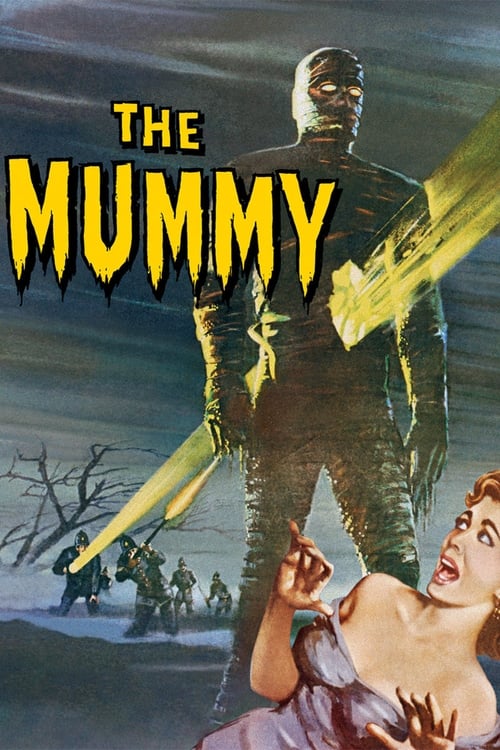
1959

1963
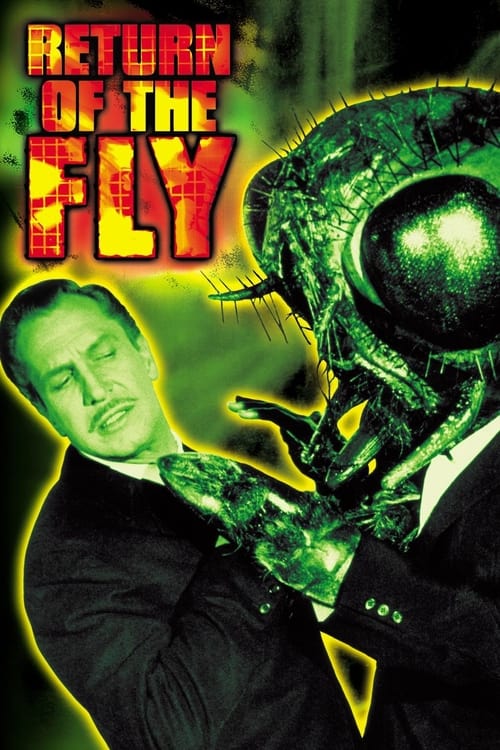
1959
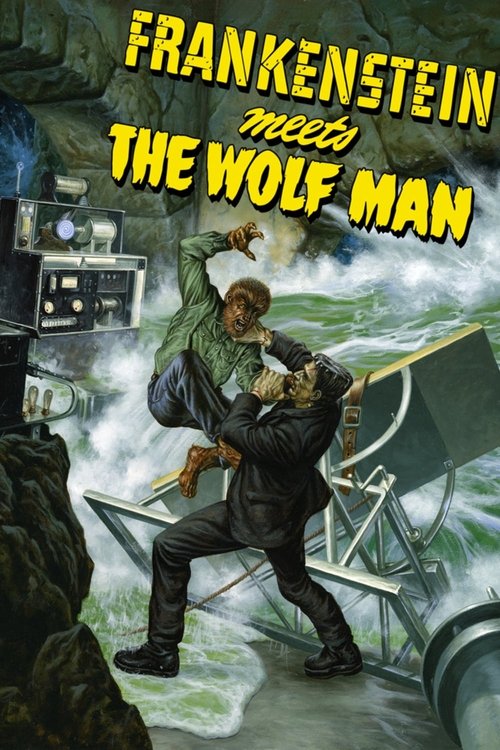
1943
No reviews yet. Be the first to share your thoughts on this movie!
Use the rating form above to leave a star rating and optional review.