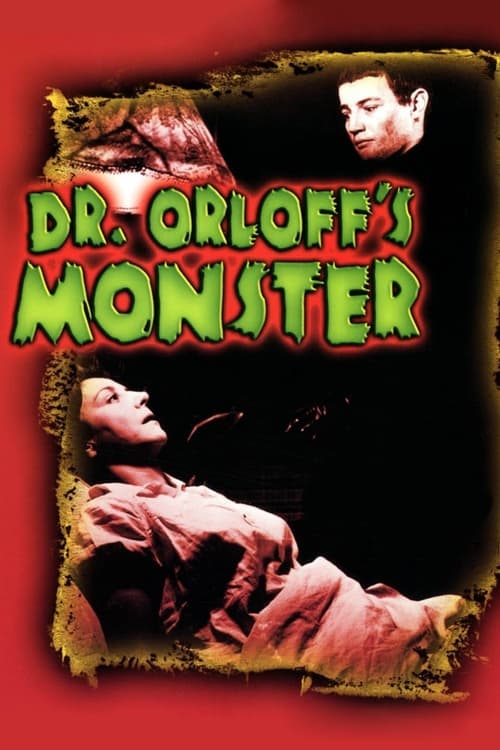
Dr. Orloff's Monster
1965
No user ratings available yet
Representation score: 3.4 out of 10

Representation Score
Limited
1962
ApprovedDirector
Chano Urueta
Runtime
77 minutes
Average Rating
No ratings yetNew Showbiz Analysis
The film reflects its time period, relying heavily on mid-century genre clichés and traditional hierarchies. While it offers a fresh perspective through its Mexican origins, it lacks depth in representing modern identities. Its strength lies in its cultural perspective and its subtle critique of religious authority. However, it fails to provide meaningful roles for women or nuanced portrayals of disability, instead using these elements to serve a standard horror narrative.
Category Breakdown
The film does not include any identifiable LGBTQ+ characters. Character interactions stay within the traditional romantic and social structures typical of 1960s genre cinema.
Men like the Baron and scientific authorities have significant control over the plot. Women play supporting roles that help move the story forward but do not drive the narrative themselves.
As a Mexican production, the film avoids an Anglo-centric viewpoint by focusing on Mexican history. However, it does not delve into the complexities of multi-layered racial dynamics or diverse ethnic blending.
The narrative criticizes the Inquisition's persecution of the Baron as a systemic injustice. It highlights the tension between science and traditional morality.
Disability is portrayed through the monster cliché. The Baron's transformation serves as a horror plot device rather than a nuanced exploration of physical or neurological conditions.
Present on Screen
Limited or Absent
Official Synopsis
In 1661 Mexico, Baron Vitelius is executed for witchcraft. 300 years later, during a comet's return, he resurfaces as a brain-eating monster seeking revenge on the Inquisitors' descendants.
1965
1969
1965

1958
1969
1967

1958
1939
No reviews yet. Be the first to share your thoughts on this movie!
Use the rating form above to leave a star rating and optional review.