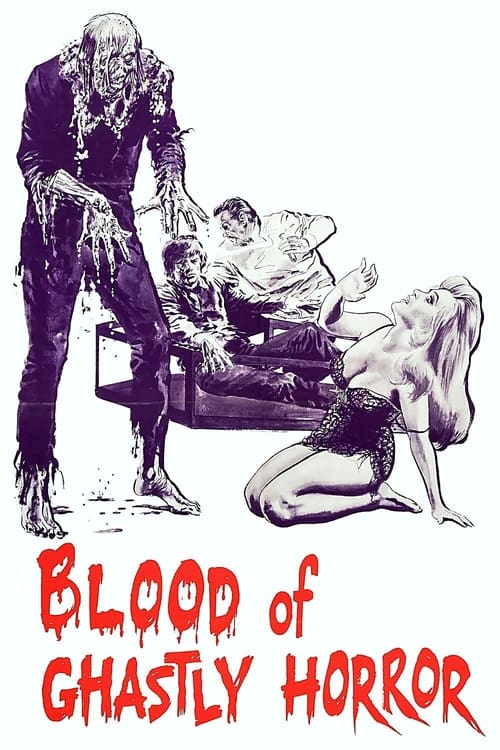
Blood of Ghastly Horror
1967
No user ratings available yet
Representation score: 2.6 out of 10
Representation Score
Limited
1971
GPDirector
Al Adamson
Runtime
87 minutes
Average Rating
No ratings yetNew Showbiz Analysis
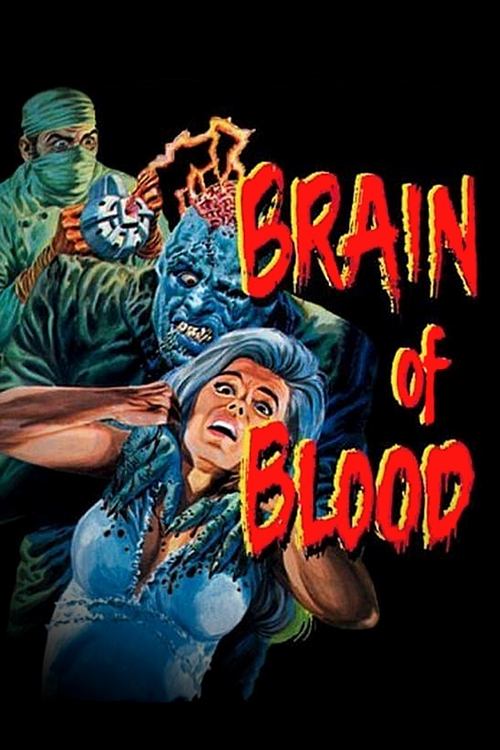
Brain of Blood functions as a typical exploitation horror film of its time. While it includes a non-Western protagonist, the narrative centers Western authority and traditional hierarchies. The film relies heavily on genre clichés to advance the plot. underrepresented identities are present but are often stripped of ability to act or used as mere devices to drive the central conflict. The film lacks the intentionality needed for nuanced storytelling, favoring conventional characterizations.
Category Breakdown
The film follows traditional romantic pairings and does not include any LGBTQ+ characters or explore non-straight identities.
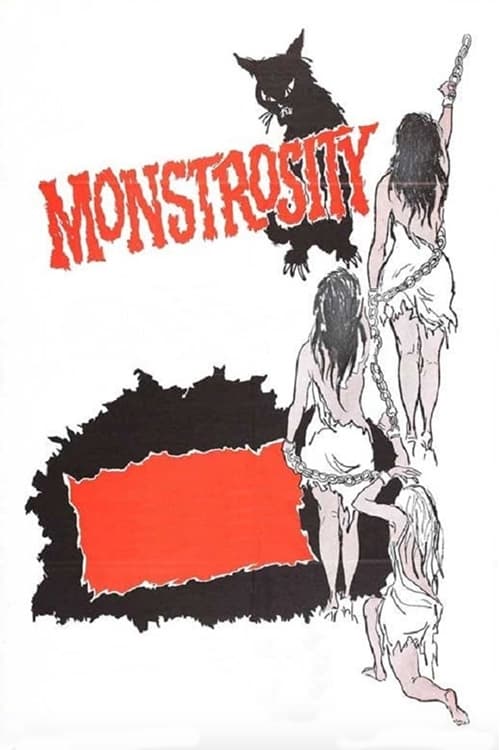
Women are portrayed mainly as victims or objects of conflict, such as those chained in the basement. The narrative emphasizes traditional gender roles and does not show femininity as a source of power.
Amir, a non-Western ruler, adds diversity by breaking away from purely Anglo-centric stories. However, his role is diminished by the plot, focusing on Western medical authority.
The story follows a standard Western science fiction framework. It does not significantly critique Western institutions and focuses on individual villains rather than broader cultural power dynamics.
Characters with physical differences, such as a dwarf and a simpleton, are used as plot devices. These portrayals rely on stereotypes rather than offering nuanced or meaningful representation.
Present on Screen
Limited or Absent
Official Synopsis
Amir, the benevolent ruler of Kalid, is dying, but there is hope. Freshly deceased, he is flown to the United States where Dr. Trenton transplants his brain into the body of a simpleton in a classic "assistant got the wrong kind of body" plot line. Dr. Trenton has a few nefarious plot twists of his own in mind, and then there's the thing with the dwarf and the women chained in the basement. It's up to Amir's friend Bob and wife Tracey to try and salvage this tale.
1967
1969
1963

1958
1971

1974

1971

1989
No reviews yet. Be the first to share your thoughts on this movie!
Use the rating form above to leave a star rating and optional review.