
Dr. Orloff's Monster
1965
No user ratings available yet
Representation score: 3.4 out of 10

Representation Score
Limited
1960
Director
Rafael Baledón
Runtime
103 minutes
Average Rating
No ratings yetNew Showbiz Analysis
Orlak, the Hell of Frankenstein operates as a typical genre piece within the 1960s Mexican horror tradition. It relies heavily on established clichés, such as the mad scientist and the remote-controlled monster, to drive its narrative. Since the film focuses on individual morality and scientific overreach, it avoids engaging with broader sociopolitical themes or identity politics. The production adheres to the cinematic norms of its time rather than trying to disrupt them. Ultimately, the film lacks the intentionality needed for nuanced or layered representation, serving instead as a traditional piece of science fiction horror.
Category Breakdown
The film does not include any non-straight or non-cisgender identities. It does not challenge the idea that everyone is assumed to be straight or cisgender.
The story focuses on male characters taking intellectual control through the mad scientist stereotype. Female characters play supporting or reactive roles without challenging traditional gender roles.
As a Mexican production, the film includes a non-Anglo-Saxon cast. However, it uses this setting for conventional horror purposes rather than offering social commentary.
The narrative follows established Western horror traditions and moral frameworks. It emphasizes individual pride rather than critiquing Western institutions or religion.
Physical differences may be used to signify moral corruption or fear. There is no evidence of characters with disabilities being shown with real power or control.
Present on Screen
Limited or Absent
Official Synopsis
A mad scientist creates a remote-controlled monster and sends it to terrorize the city.
1965

1969

1941

1960
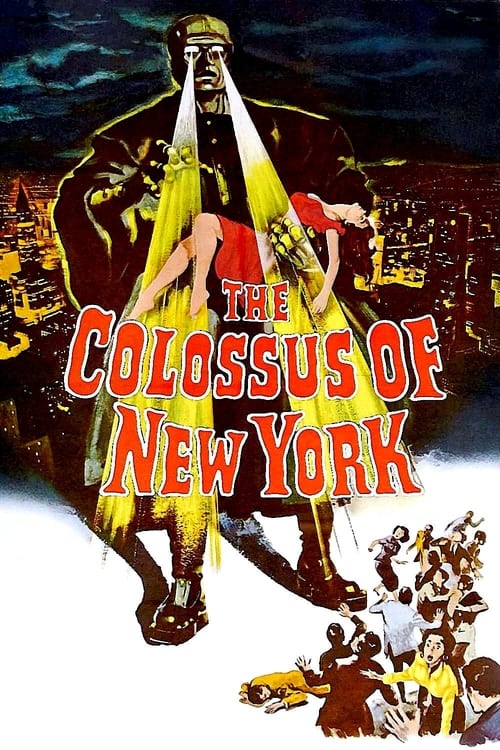
1958

1958

1958

1939
No reviews yet. Be the first to share your thoughts on this movie!
Use the rating form above to leave a star rating and optional review.