Monstrosity
1963
No user ratings available yet
Representation score: 2.9 out of 10
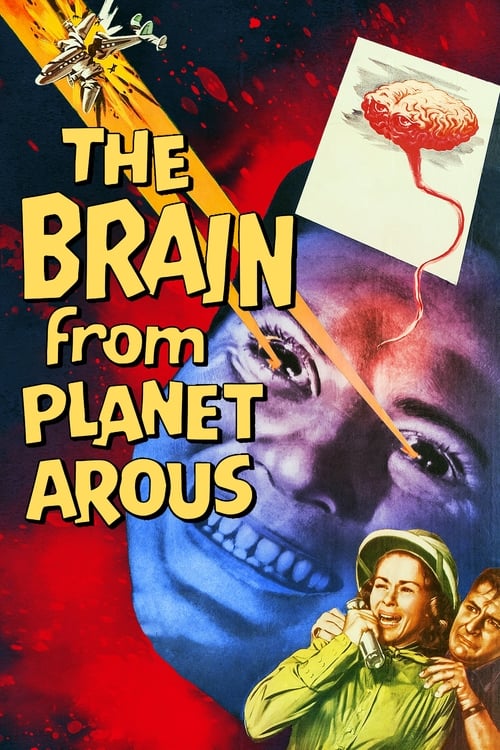
Representation Score
Minimal
1957
ApprovedDirector
Nathan Juran
Runtime
71 minutes
Average Rating
No ratings yetNew Showbiz Analysis
The Brain from Planet Arous is a quintessential product of its era, reinforcing the mid-century status quo. The narrative relies on established social hierarchies and conventional character roles that prioritize male control and Western homogeneity. While the film successfully delivers a classic sci-fi conflict between good and evil, it does so through a very narrow lens. The lack of diversity in race, gender, and identity reflects the demographic norms of 1950s studio filmmaking. Ultimately, the film lacks the intentionality required to disrupt traditional formulas, opting instead to uphold the social structures of its time.
Category Breakdown
The film strictly adheres to the straight-centered standards of the 1950s. There are no depictions of queer identities or non-cisgender subtext in the narrative.
Male scientists and astronauts play central roles, while female characters have secondary, supportive roles and lack independent ability to act or leadership within the plot.
The cast reflects mid-century Western homogeneity. There is a notable absence of characters of color or diverse ethnic identities throughout the film.
The story reinforces Western scientific authority and traditional heroism. It functions as a standard Atomic Age creature feature without challenging existing social or religious dogmas.
Characters are portrayed as able-bodied archetypes of competence. The film lacks any meaningful engagement with disability, neurodivergence, or chronic illness.
Present on Screen
Limited or Absent
Official Synopsis
An evil alien brain, bent on world domination, takes over the body of an atomic scientist, while a "good" alien brain inhabits the body of the scientist's dog and waits for an opportunity to defeat the evil brain.
1963

1958
1957
1969
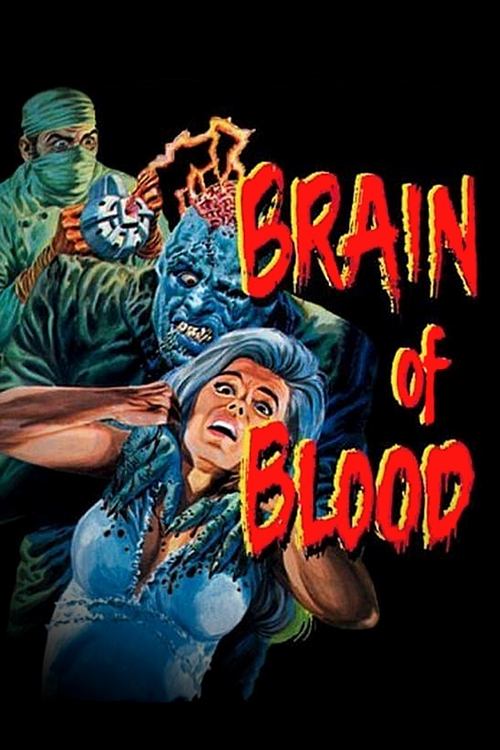
1971
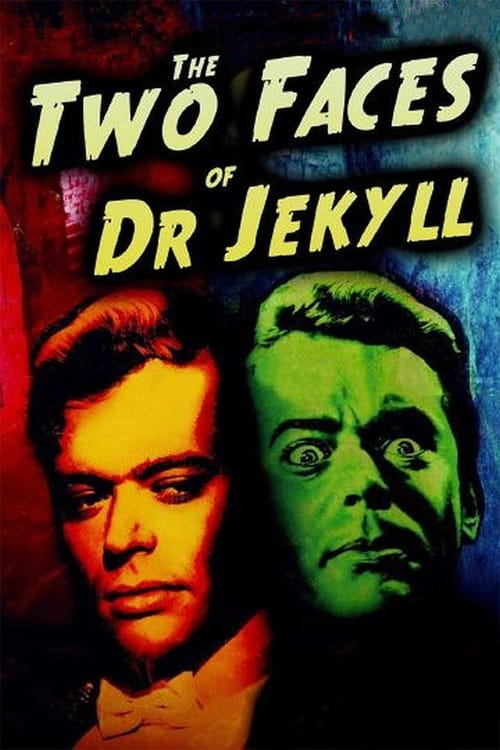
1960
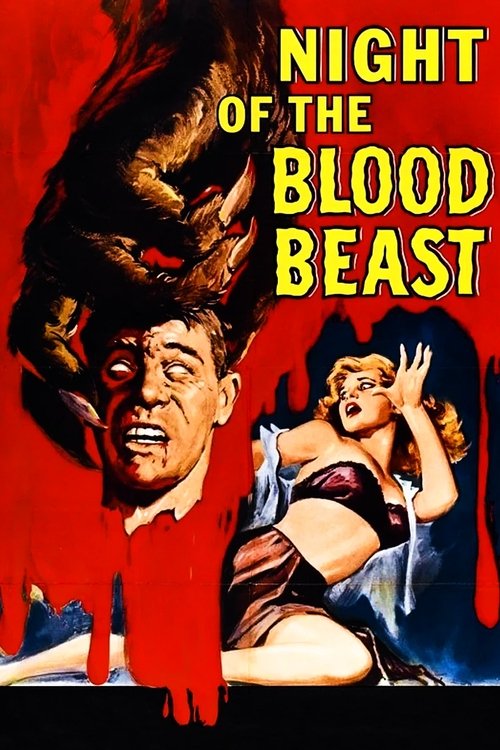
1958
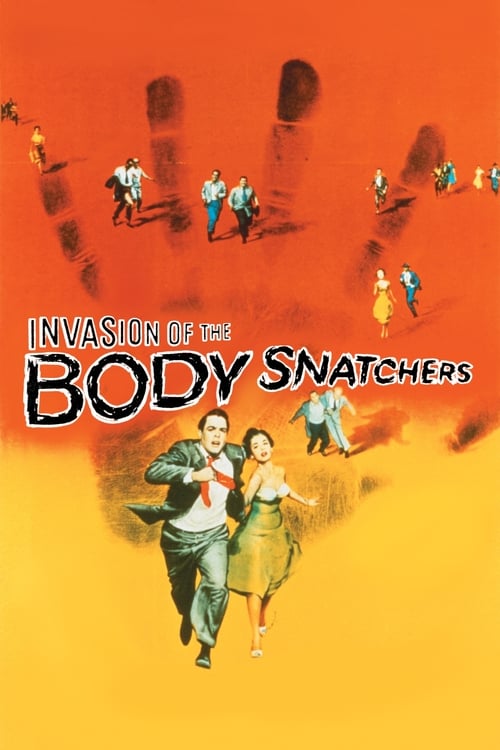
1956
No reviews yet. Be the first to share your thoughts on this movie!
Use the rating form above to leave a star rating and optional review.