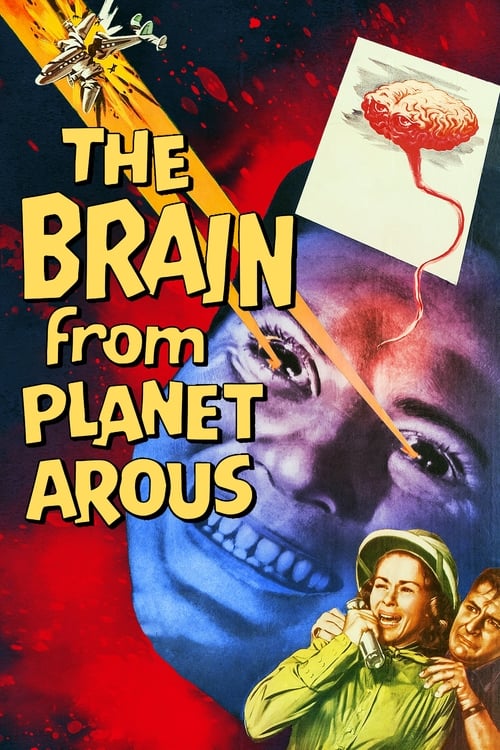
The Brain from Planet Arous
1957
No user ratings available yet
Representation score: 1.6 out of 10
Representation Score
Fair
1957
Director
Fernando Méndez
Runtime
80 minutes
Average Rating
No ratings yetNew Showbiz Analysis
The film stands out for its authentic portrayal of Mexican culture, using local cultural icons like the luchador to provide ethnic ability to act often missing from 1950s global cinema. This localized perspective offers a meaningful contrast to the era's typical Anglo-centric narratives. However, the production remains entrenched in the social norms of its time. It relies on traditional gender hierarchies and lacks any representation of LGBTQ+ identities, keeping the narrative within a conventional framework. While the science fiction elements touch on bodily autonomy, they do so through the lens of horror. The use of physical transformations functions to create suspense rather than to explore disability with nuance or ability to act.
Category Breakdown
The film follows traditional social structures and does not include any non-binary gender identities or same-sex relationships.
Female characters play supporting roles and act as catalysts for male leads. The story upholds traditional gender roles and stereotypes from the mid-20th century.
Being a Mexican production, the film showcases a primarily Mexican cast. It highlights local cultural icons such as the masked wrestler to emphasize regional identity.
The story delves into moral relativism and questions medical ethics. It avoids direct political commentary, focusing instead on the tension between progress and caution.
Physical alterations and reanimations are used as horror clichés rather than nuanced representations. The use of physical differences serves to create fear rather than give characters real control over their actions.
Present on Screen
Limited or Absent
Official Synopsis
A detective and his cowboy friend team up to stop a mad scientist who is stealing the bodies of murdered wrestlers, and bringing them back to life while electronically replacing their minds with those of animals to make them stronger and live longer. Posing as a successful masked wrestler, the cowboy quickly attracts the attention of the scientist and his henchmen as their next experimental subject...
1957
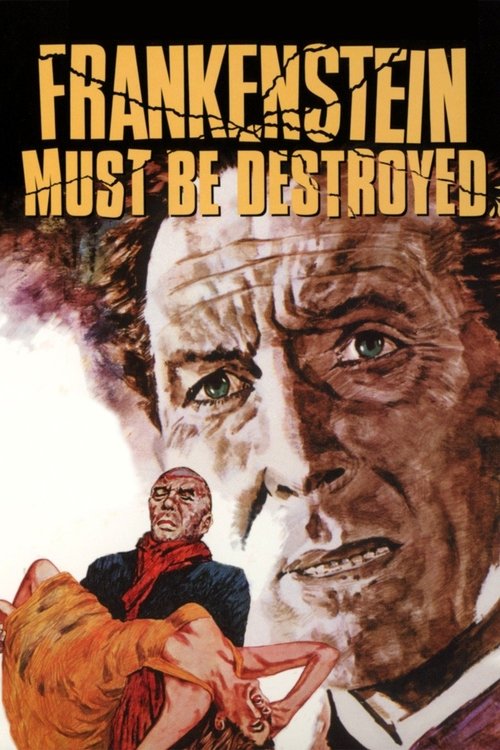
1969
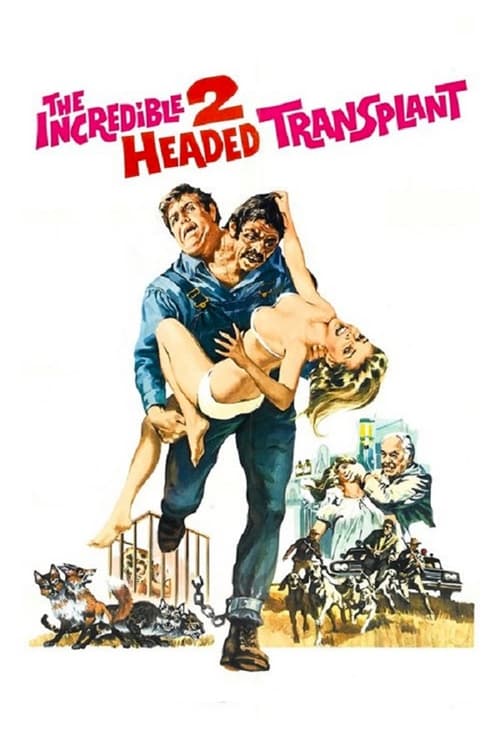
1971

1958
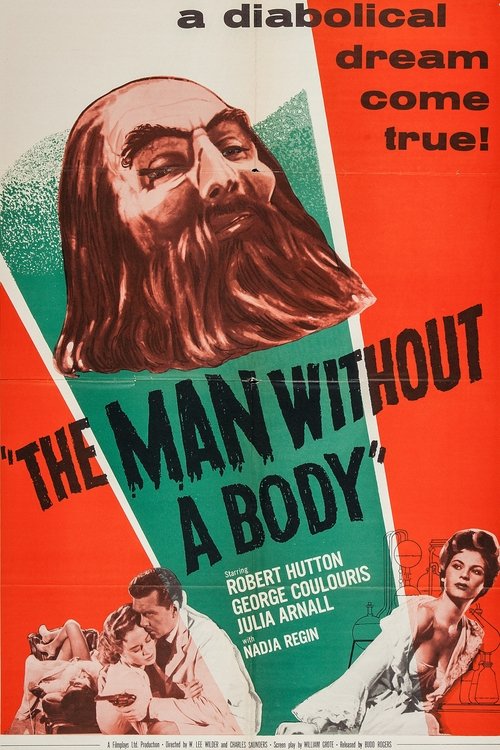
1957

1974
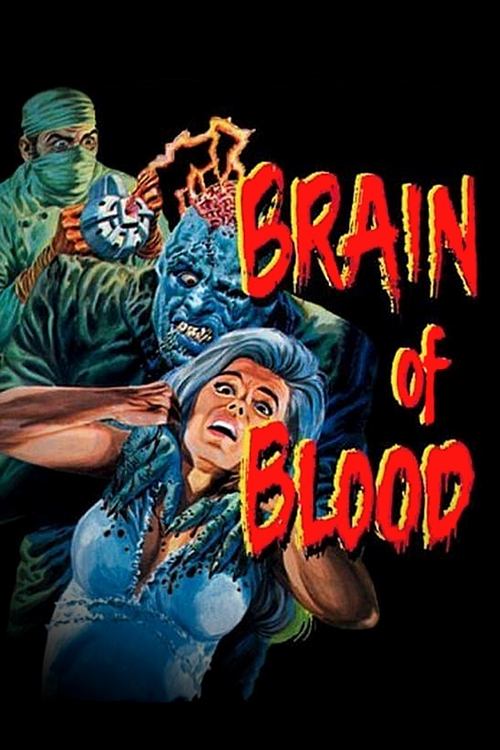
1971
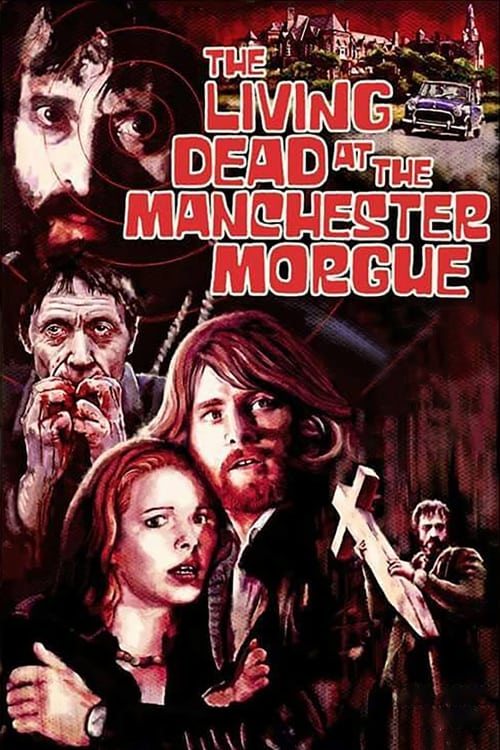
1974
No reviews yet. Be the first to share your thoughts on this movie!
Use the rating form above to leave a star rating and optional review.