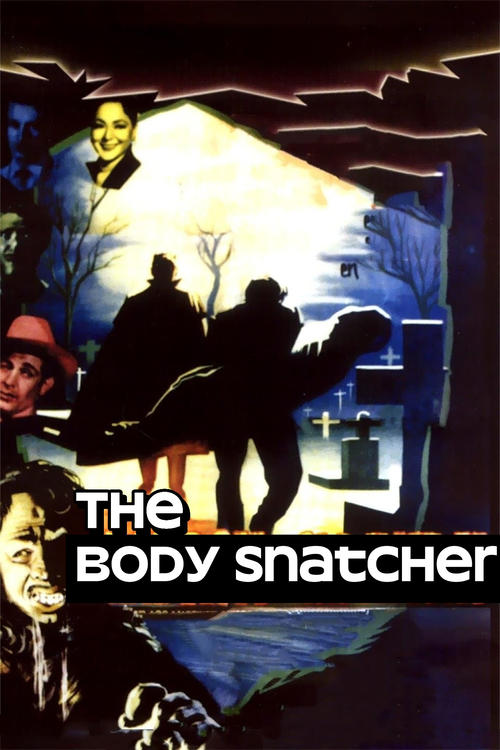
The Body Snatcher
1957
No user ratings available yet
Diversity score: 4.1 out of 10

1979
RDirector
William Crain
Runtime
85 minutes
Average Rating
No ratings yetSynopsis
When a Black doctor develops a serum that is supposed to regenerate dying liver cells and tests it on himself, it accidentally turns him into an albino monster with a lust for murdering prostitutes, pimps and drug dealers.
Overall Score
Limited
Category Breakdown
LGBTQ+ Representation
The film lacks LGBTQ+ identities or non-cisnormative gender expressions. The narrative focuses entirely on the protagonist's psychological duality and biological transformation.
Gender Representation
Female characters occupy peripheral roles, often serving as victims or catalysts for the male protagonist. The central conflict remains an exclusively male-driven scientific struggle.
Racial & Ethnic Diversity
Centering a Black protagonist in a Victorian-inspired setting disrupts traditional casting norms for this period. However, the transformation into an albino monster adds a complex layer to this representation.
Religious & Cultural Diversity
The story operates within a traditional moral framework, distinguishing social order from chaotic behavior. It does not prioritize secularism or critiques of systemic institutions.
Disability Representation
The protagonist's transformation serves as a physical and psychological disability. The film risks using this change as a horror plot device rather than a nuanced exploration of disability.
Strengths
Areas for Improvement
AI Analysis
Dr. Black, Mr. Hyde (1979) offers a unique subversion of period-piece casting by centering a Black protagonist in a Victorian-inspired setting. This choice disrupts the homogeneous white casts typically found in such adaptations. However, the film's thematic depth is limited by its adherence to traditional genre tropes. The narrative reinforces conventional social hierarchies, with female characters relegated to secondary roles and the central conflict driven by male psychological struggles. While the racial casting is progressive for its time, the film's reliance on the 'monster' trope and traditional moral binaries prevents a more nuanced exploration of identity or lived experience.
1957
1969

1976
1960

1969

1987

1990
2007
1971

1995
1977

1971
No reviews yet. Be the first to share your thoughts on this movie!
Use the rating form above to leave a star rating and optional review.