The Phantom of the Opera
1925
No user ratings available yet
Representation score: 1.8 out of 10
Representation Score
Fair
1928
Not RatedDirector
Paul Leni
Runtime
110 minutes
Average Rating
No ratings yetNew Showbiz Analysis
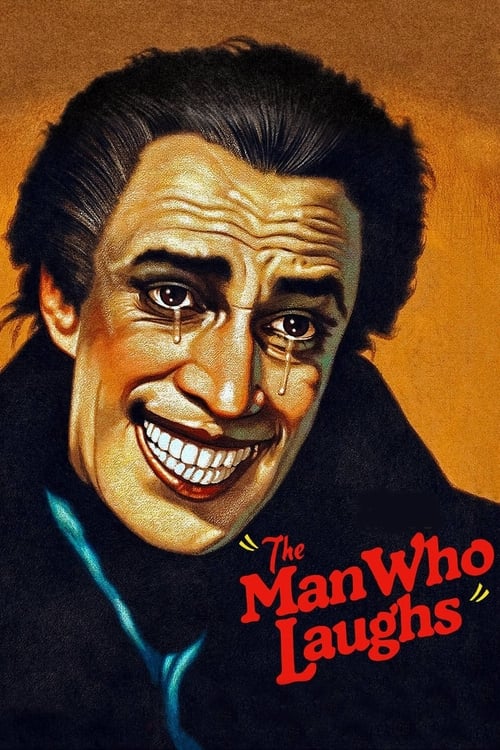
Paul Leni’s masterpiece excels through its sophisticated treatment of disability and systemic critique. By centering characters with physical differences, the film explores the tension between outward appearance and inner humanity. Dea and Gwynplaine are granted profound moral weight, moving beyond simple clichés. However, the film is limited by the demographic constraints of its 17th-century setting. It lacks racial and LGBTQ+ diversity, adhering to the homogeneity of its historical period. The romantic structure remains largely traditional. Ultimately, the film's strength lies in its subversion of power. It frames the ruling class as the primary source of trauma, elevating the underrepresented over the established social order.
Category Breakdown
The film lacks LGBTQ+ characters or explorations of non-straight relationships. The central romantic arc focuses on a traditional pairing between the protagonist and Dea.
Dea provides the film's moral and emotional weight, serving as a spiritual guide despite her blindness. However, the story still relies on traditional romantic clichés.
Set in 17th-century England, the film reflects the demographic homogeneity of the era. There is no significant representation of non-Anglo-Saxon characters within the primary cast.
The narrative offers a sharp critique of Western institutions by portraying the monarchy and aristocracy as predatory and corrupt. It centers the experiences of underrepresented circus performers.
Gwynplaine’s facial deformity is treated as a core component of his identity rather than mere spectacle. Dea’s blindness is handled with dignity, granting her significant influence.
Present on Screen
Limited or Absent
Official Synopsis
When a proud noble refuses to kiss the hand of the despotic King James in 1690, he is cruelly executed and his son surgically disfigured.
1925
1923
1932
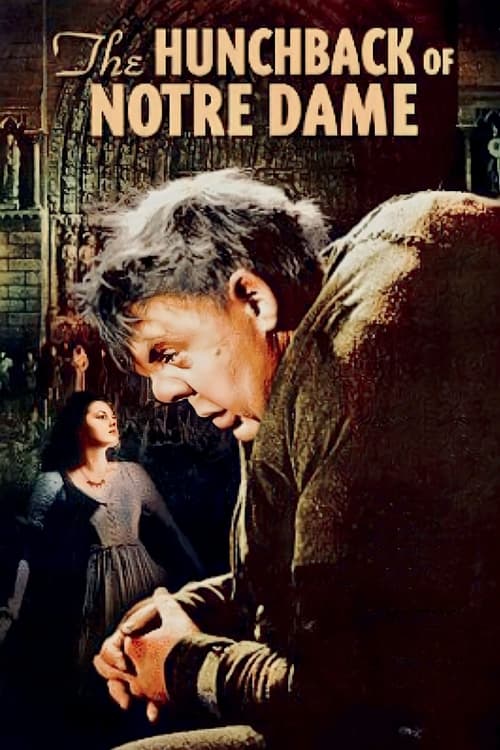
1939
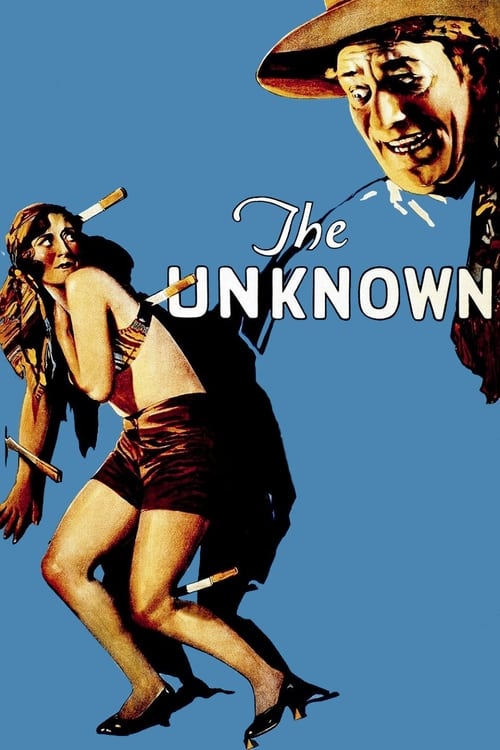
1927
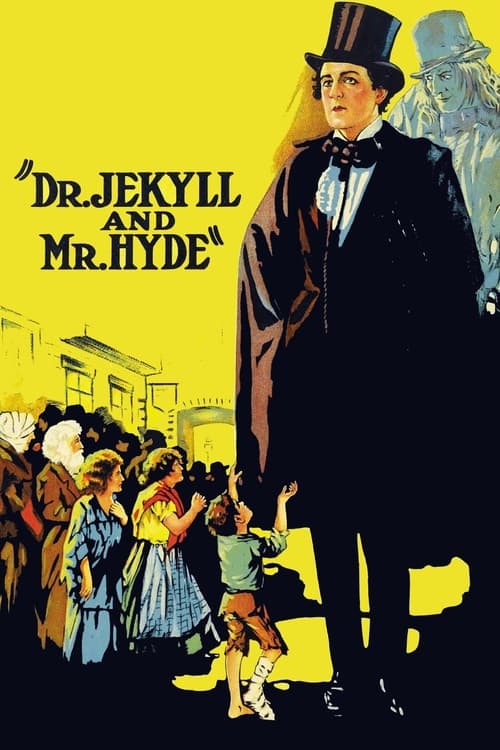
1920

1964
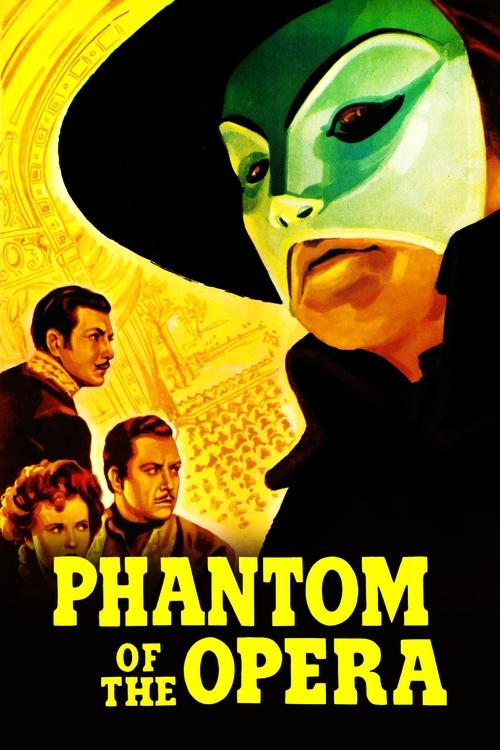
1943
No reviews yet. Be the first to share your thoughts on this movie!
Use the rating form above to leave a star rating and optional review.