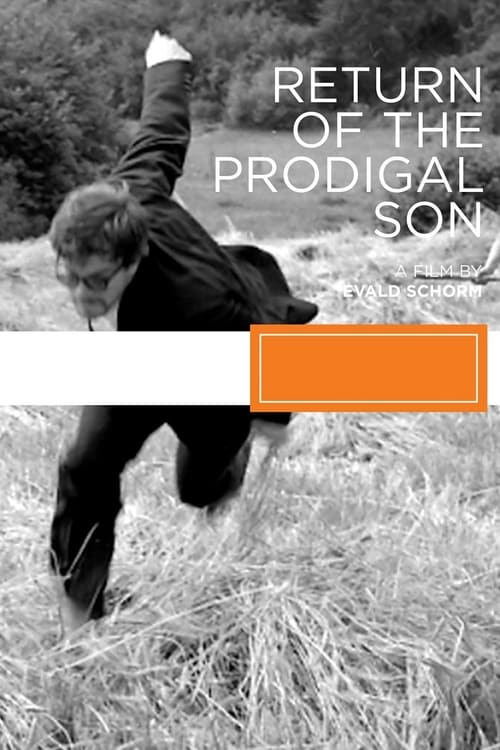
The Return of the Prodigal Son
1967
No user ratings available yet
Representation score: 5.7 out of 10
Representation Score
Limited
1966
Director
Vittorio De Seta
Runtime
93 minutes
Average Rating
No ratings yetNew Showbiz Analysis
Vittorio De Seta’s film is a naturalistic character study that prioritizes psychological realism over modern approaches to diversity. It focuses on the internal fragmentation of a man navigating mental instability and the rigid structures of Mediterranean life. The film's strength lies in its unflinching portrayal of mental health. By centering the narrative on a protagonist's psychological descent, it avoids common clichés and presents neurodivergence as a complex human condition. However, the work lacks demographic breadth. It adheres to traditional gender hierarchies and lacks LGBTQ+ representation, focusing instead on the specific socioeconomic and psychological pressures of a rural Italian setting.
Category Breakdown
The film follows a traditional focus on straight relationships and does not include LGBTQ+ characters or explore non-straight identities.
The story centers on masculine development and traditional male roles. Women play supporting roles within the social fabric but do not have significant control over their own lives.
The cast is made up of actors representing the rural Italian peasantry, achieving cultural authenticity by focusing on their specific experiences. However, there is no ethnic diversity.
The film critiques poverty and traditional institutions in a realistic manner. It shows religious and family structures as part of a somber, realistic landscape.
The story highlights the complexities of mental health and neurodivergence. It portrays psychological breakdown and shock therapy as serious, debilitating conditions.
Present on Screen
Limited or Absent
Official Synopsis
A young writer descends into madness. Alienated, neurotic, and plagued by guilt, Michele retreats from reality, loses interest in work, and comes to the brink of suicide before being sent to an asylum for shock therapy. Escaping from the asylum, Michele returns to his boyhood home, where he learns the reasons for his present mental state.
1967

1961
1975

1965
1958
1948

1959
1963
No reviews yet. Be the first to share your thoughts on this movie!
Use the rating form above to leave a star rating and optional review.