Head Against the Wall
1959
No user ratings available yet
Representation score: 7.2 out of 10
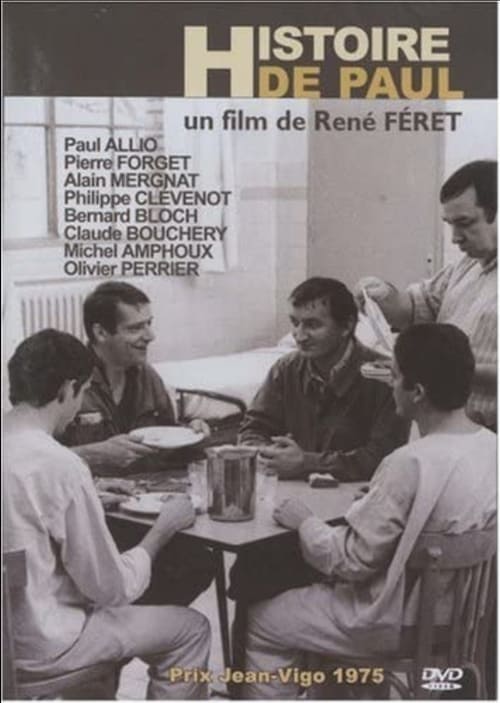
Representation Score
Good
1975
Director
René Féret
Runtime
81 minutes
Average Rating
No ratings yetNew Showbiz Analysis
René Féret’s drama succeeds as a nuanced character study that prioritizes the internal reality of a man navigating a psychiatric institution. By focusing on the protagonist's subjective struggle, the film avoids common clichés and instead offers a sophisticated critique of systemic authority. However, the film remains limited by the demographic norms of its era. It lacks explicit diversity, presenting a largely homogeneous cast and a narrative focused on a specific, localized French context. Ultimately, the film's strength lies in its thematic depth regarding mental health and institutional critique, even as it lacks the demographic diversity expected in modern cinema.
Category Breakdown
The film does not include explicit representations of LGBTQ+ identities or same-sex relationships. However, the protagonist's behavior might hint at a non-traditional identity, though this is not made clear.
The narrative centers on a male protagonist within a patriarchal institutional setting. It explores male psychological experiences while critiquing the rigid masculine structures of the era.
The cast and setting reflect the demographic uniformity of 1970s France. The film focuses on a localized cultural experience rather than a diverse, global perspective.
The film critiques Western institutional power by highlighting a character underrepresented by the psychiatric establishment. It challenges the infallibility of systemic control and traditional authority.
The story provides a meaningful exploration of neurodivergence and mental health. It prioritizes the protagonist's subjective experience, giving real power to a character often sidelined in society.
Present on Screen
Limited or Absent
Official Synopsis
A young man is checked into a mental hospital for unexplained reasons.
1959
1976
1982

1961

1979
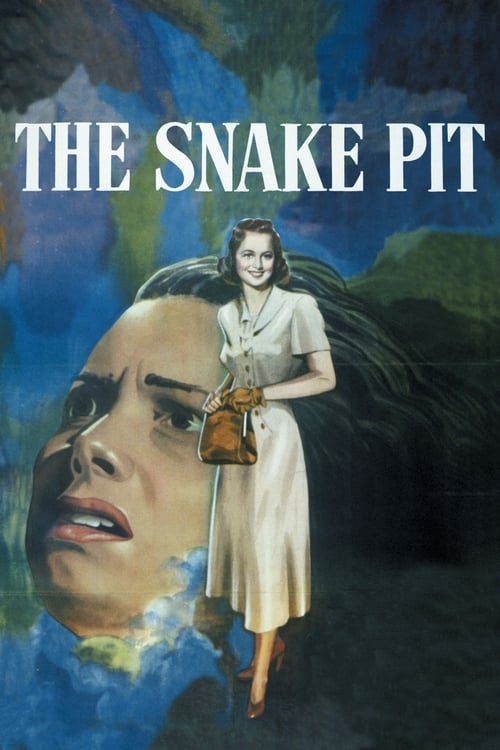
1948

1979

1995
No reviews yet. Be the first to share your thoughts on this movie!
Use the rating form above to leave a star rating and optional review.