
The World of Jacques Demy
1995
No user ratings available yet
Diversity score: 5.8 out of 10
2002
Director
Agnès Varda
Runtime
2 minutes
Average Rating
No ratings yetSynopsis
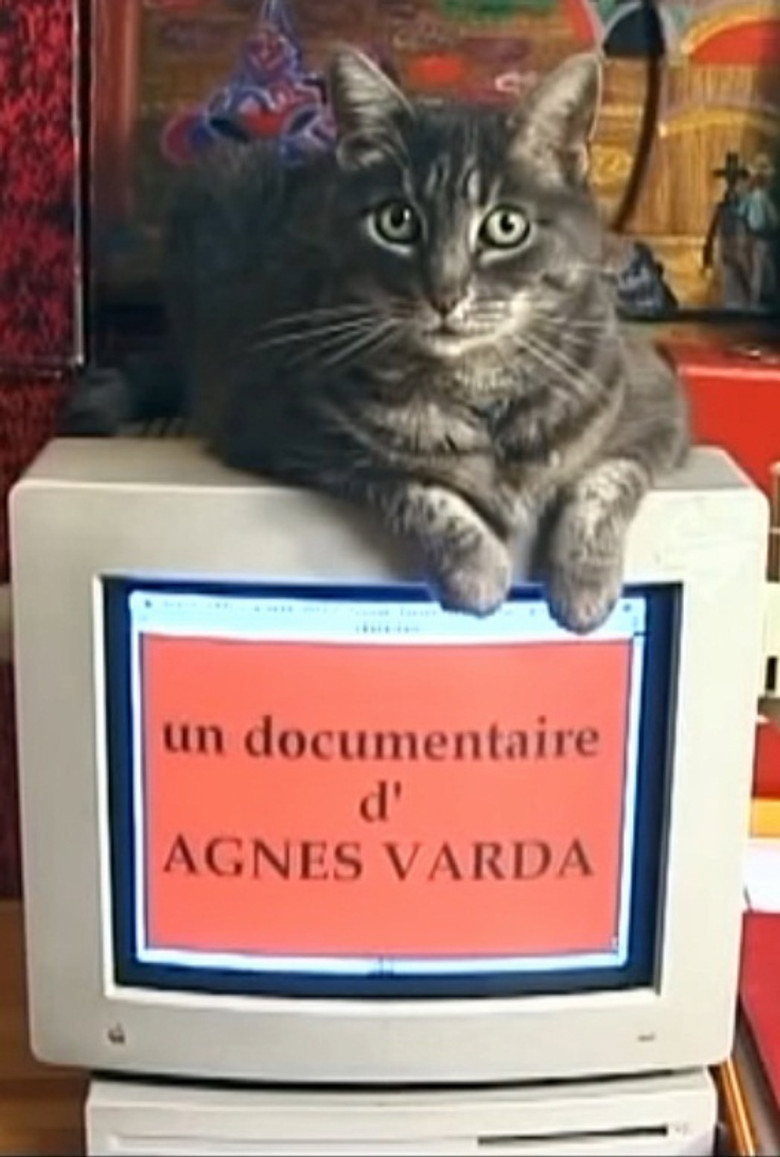
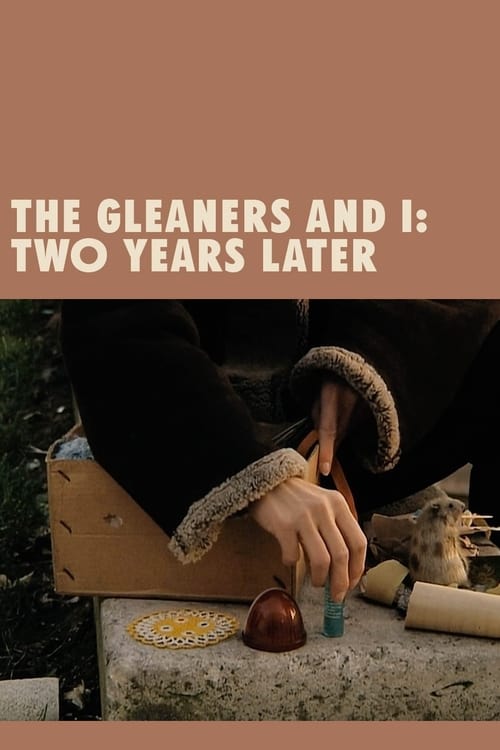
A short tribute to Zgougou, Varda’s cat who was given to her by Sabine Mamou.
Overall Score
Fair
Category Breakdown
LGBTQ+ Representation
The film lacks explicit LGBTQ+ identities or romantic narratives. By centering on a feline subject, the documentary bypasses traditional heteronormative plot structures and sexualized tropes.
Gender Representation
Varda avoids reinforcing traditional masculine or feminine hierarchies. The focus on domestic and biological realities creates a neutral, observational space that disrupts conventional gendered character dynamics.
Racial & Ethnic Diversity
The documentary presents a localized, rural French setting. It does not feature a diverse cast, as the primary subject is an animal within a traditional European context.
Religious & Cultural Diversity
The film embraces a secular, observational connection to nature. It deconstructs human institutional importance by prioritizing a non-traditional, subjective view of life and death.
Disability Representation
There is no evidence regarding the depiction of human disabilities. The narrative remains strictly focused on the biological life cycle of the animal subject.
Strengths
Areas for Improvement
AI Analysis
Agnès Varda’s tribute to her cat, Zgougou, functions as a postmodern exercise in observational filmmaking. Rather than engaging in overt social commentary through human characters, the film challenges traditional narrative structures by centering a non-human subject. The documentary disrupts conventional focus on human agency and social hierarchies. It opts instead for a meditative exploration of existence, moving away from anthropocentric storytelling. While the film lacks explicit intersectional representation regarding human identity politics, its refusal to adhere to institution-centered narratives aligns it with a progressive, deconstructive cinematic philosophy.
1995
1986
1967

1966

1993
2019
2008
1986

1958
1958
2002
1978
No reviews yet. Be the first to share your thoughts on this movie!
Use the rating form above to leave a star rating and optional review.