The World of Jacques Demy
1995
No user ratings available yet
Diversity score: 5.8 out of 10
1966
Not RatedDirector
Agnès Varda
Runtime
20 minutes
Average Rating
No ratings yetSynopsis
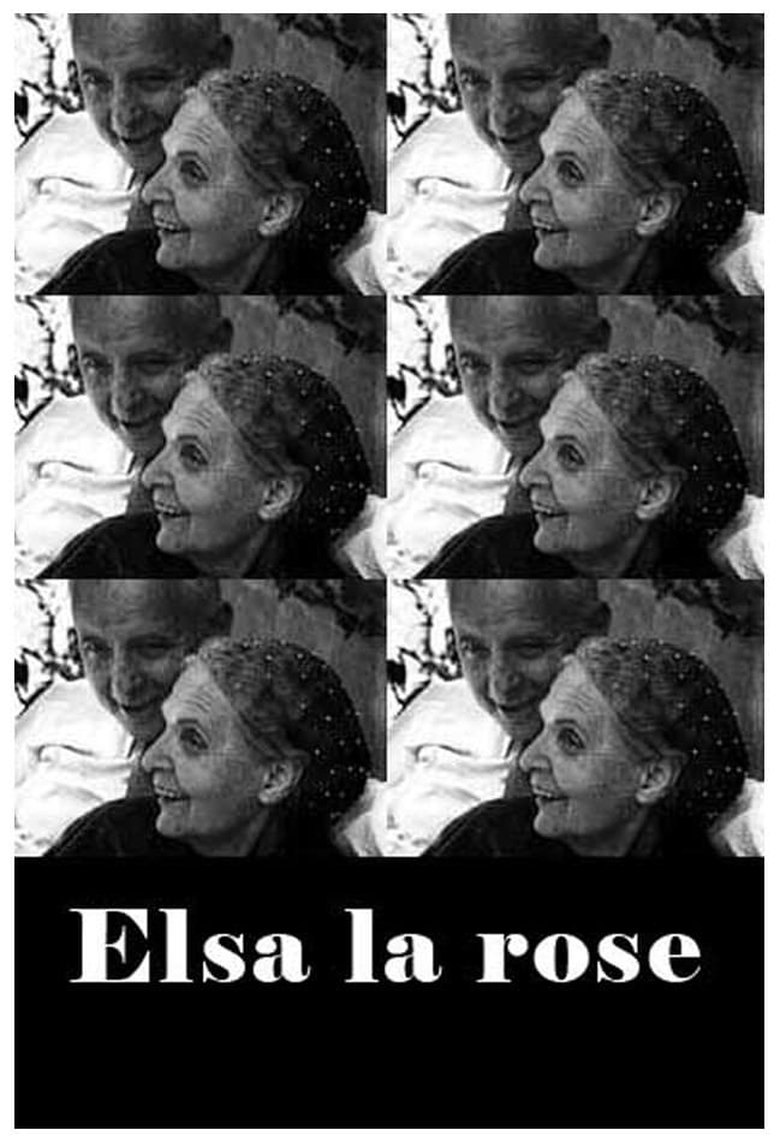
Images and poems of the celebrated couple Louis Aragon and Elsa Triolet. Elsa’s youth as recalled by Aragon, with commentary by Elsa.
Overall Score
Good
Category Breakdown
LGBTQ+ Representation
The film explores the intimate romantic and intellectual bond between Aragon and Triolet. It prioritizes emotional and poetic depth over traditional biographical tropes.
Gender Representation
Varda disrupts biographical hierarchies by centering Elsa Triolet’s own commentary and agency. This subverts the 'great man' trope by elevating the female subject's internal reality.
Racial & Ethnic Diversity
The film focuses on a specific European intellectual circle. There is no evidence of significant racial or ethnic diversity within the primary subject matter.
Religious & Cultural Diversity
The work embraces subjective morality and poetic truth over rigid institutional history. Its non-linear structure challenges the authority of traditional, nationalistic documentary formats.
Disability Representation
There is no documented evidence regarding the portrayal of physical or neurodivergent disabilities within the film's context.
Strengths
Areas for Improvement
AI Analysis
Agnès Varda’s documentary succeeds by deconstructing traditional cinematic hierarchies to center unconventional perspectives. By focusing on the intellectual partnership of Louis Aragon and Elsa Triolet, the film moves beyond simple biography into a meditation on memory and identity. The film's strength lies in its refusal to treat Elsa Triolet as a mere muse. Instead, her own voice and commentary shape the narrative, providing a necessary counterweight to the historical focus on Aragon. This approach elevates the female experience within a celebrated intellectual relationship. While the film lacks racial or disability representation, it offers a progressive cultural perspective. It favors a secular, humanistic, and fragmented storytelling style that prioritizes personal truth over grand, institutionalized historical narratives.
1995

2002
1986
1967
2008
1993
2019
1986

1958
1958
1975
2002
No reviews yet. Be the first to share your thoughts on this movie!
Use the rating form above to leave a star rating and optional review.