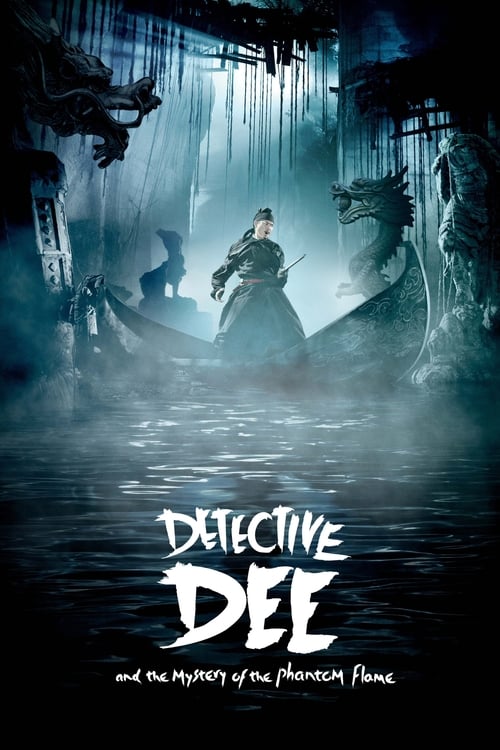
Detective Dee and the Mystery of the Phantom Flame
2010
No user ratings available yet
Representation score: 7.7 out of 10

Representation Score
Good
2011
RDirector
Tsui Hark
Runtime
125 minutes
Average Rating
No ratings yetNew Showbiz Analysis
Tsui Hark’s film stands out as a sophisticated deconstruction of the wuxia genre. It successfully challenges traditional gender roles by placing a female protagonist at the center, who matches her male counterparts in combat proficiency. The narrative excels in its thematic resistance to systemic corruption. By portraying the state as a corrupt entity, the film highlights individual ethics and personal justice over institutional loyalty. However, the film remains limited in its portrayal of diverse identities. It lacks representation for LGBTQ+ individuals and neurodivergent characters, focusing instead on traditional social and martial hierarchies.
Category Breakdown
The film does not include any LGBTQ+ characters or depict non-straight relationships. The interpersonal dynamics focus on traditional romantic tensions and brotherly bonds.
Lin Wenqing challenges traditional gender roles as a skilled martial artist with significant influence. She plays a central role in the narrative, breaking away from submissive female archetypes.
Set during the Ming Dynasty, the cast is ethnically uniform. However, the film explores diversity through the socioeconomic struggles between imperial officials and underrepresented martial artists.
The story critiques centralized power by depicting imperial eunuchs as a corrupt state apparatus. It emphasizes personal righteousness over the mandates of compromised traditional institutions.
The film does not focus on visible or invisible disabilities. Characters are defined by their martial skills and social status rather than physical or neurodivergent traits.
Present on Screen
Limited or Absent
Official Synopsis
Three years after the infamous Dragon Inn was burnt down in the desert when its innkeeper Jade vanished. A new gang of marauders had taken over - innkeepers by day and treasure hunters by night. The inn is the rumoured location of a lost city buried under the desert, and its hidden treasure would only be revealed by a gigantic storm every 60 years. The gang used the inn as a front to locate the lost treasure.
2010
1967
1980
1979
2020
1990
2002
2013
No reviews yet. Be the first to share your thoughts on this movie!
Use the rating form above to leave a star rating and optional review.