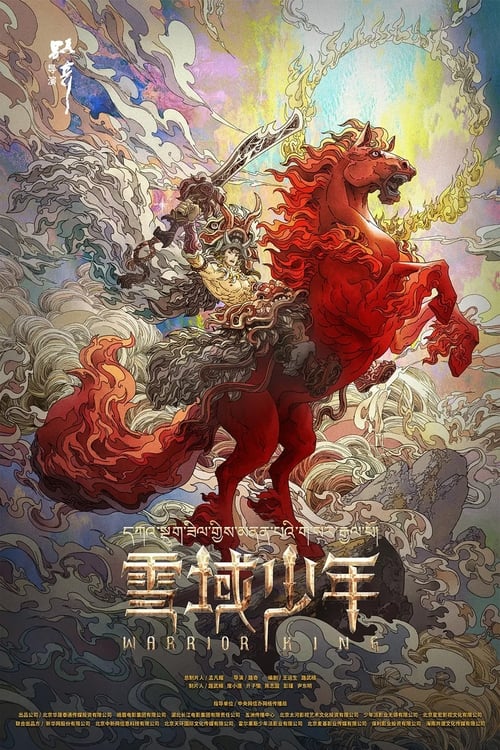
Warrior King
2023
No user ratings available yet
Representation score: 5.6 out of 10
Representation Score
Good
2018
Director
Kuo Liu
Runtime
105 minutes
Average Rating
No ratings yetNew Showbiz Analysis
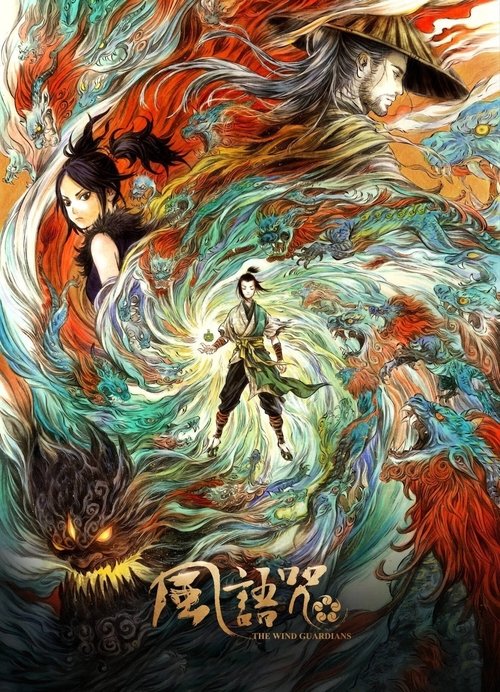
The Wind Guardians stands out through its strong commitment to cultural specificity and meaningful disability representation. By grounding the adventure in East Asian mythology rather than Western clichés, the film offers a fresh perspective on the fantasy genre. The protagonist's blindness is integrated into his survival tactics, providing a functional depiction of sensory impairment. However, the film remains somewhat traditional in its gender dynamics and lacks LGBTQ+ representation. The narrative structure follows a standard hero's journey that, while morally complex, does not yet significantly challenge gender hierarchies or LGBTQ+ identities.
Category Breakdown
The film does not include explicit representations of LGBTQ+ identities or same-sex relationships. The story focuses on the protagonist's personal journey and the mythological conflicts he faces.
The story centers around a male protagonist named Lang Ming, whose journey starts with his mother's disappearance. Female characters may become legendary figures, but the main plot drivers remain conventional.
The film uses an East Asian mythological framework to challenge Western-centric fantasy clichés. By focusing on Xiaoyanggang and Rakshasa, it provides a rich backdrop for ethnic storytelling.
The narrative explores subjective morality through a protagonist who survives by trickery. It engages with the deconstruction of established mythological hierarchies and ancient gods.
Lang Ming is a blind protagonist whose sensory impairment is central to his survival tactics. He uses his heightened senses to navigate markets and survive physical combat.
Present on Screen
Limited or Absent
Official Synopsis
A young man who lives in Xiaoyanggang dreams of martyrdom, but he is blind and can only sneak into the market by swindling. One day, Rakshasa attacked Xiaoyanggang, and his mother, who was dependent on him, suddenly disappeared. Lang Ming had to embark on the road of finding the truth. After a wave of unrest, ancient gods and beasts are in danger, and the legendary chivalrous also appear before them. Lang Ming embarks on a journey of adventure that will change his life...
2023
2019
2019
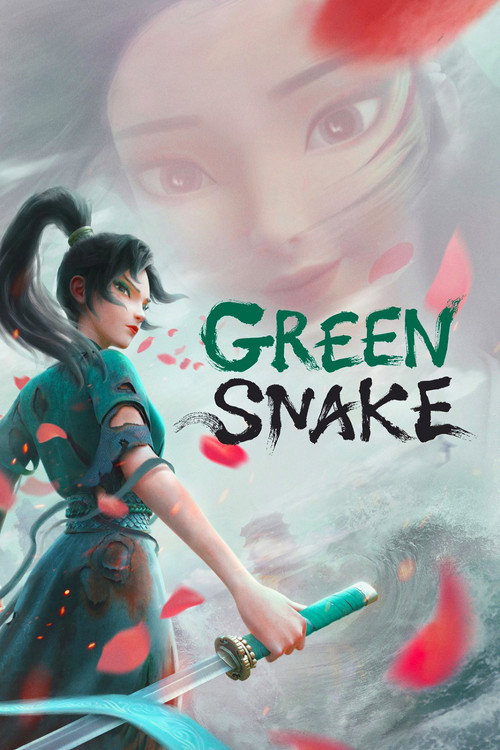
2021
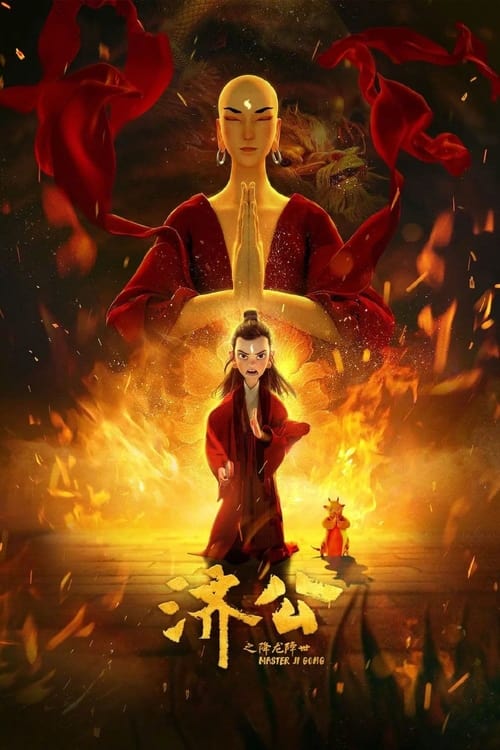
2021

2011
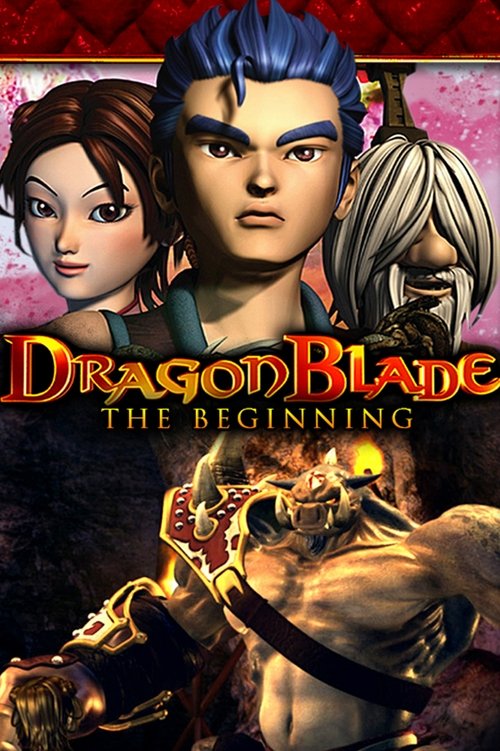
2005
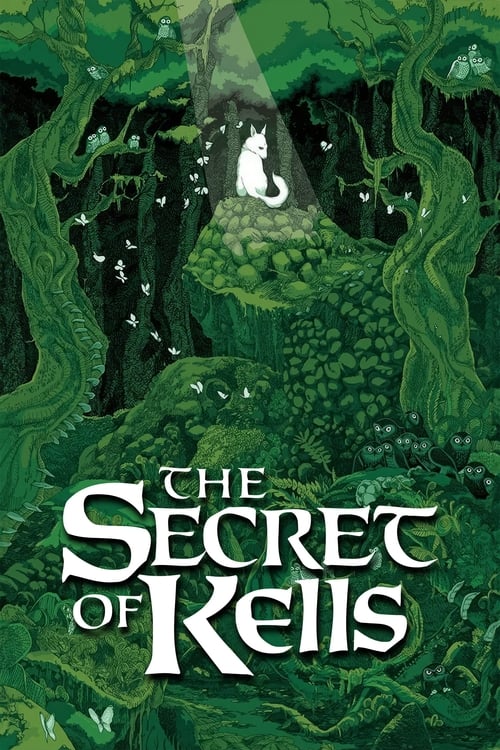
2009
No reviews yet. Be the first to share your thoughts on this movie!
Use the rating form above to leave a star rating and optional review.