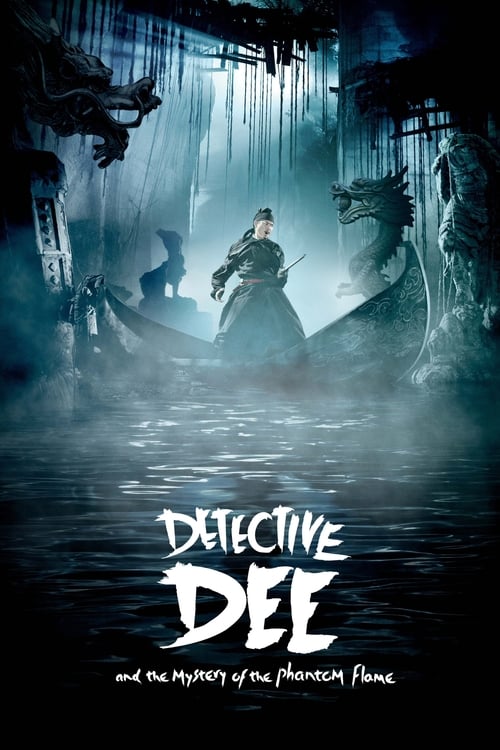
Detective Dee and the Mystery of the Phantom Flame
2010
No user ratings available yet
Representation score: 7.7 out of 10
Representation Score
Good
2018
TV-MADirector
Tsui Hark
Runtime
132 minutes
Average Rating
No ratings yetNew Showbiz Analysis
Tsui Hark presents a sophisticated historical fantasy that uses high-concept spectacle to critique systemic deception. The film's standout feature is its challenge to traditional gender roles, placing female empowerment at the center of the political landscape. While the film excels in cultural authenticity and gender representation, it remains cautious about LGBTQ+ visibility. Physical differences are mostly used as plot devices rather than for meaningful character development. Ultimately, the work succeeds by using the tension between spectacle and reality to question the legitimacy of institutional power.
Category Breakdown
The film focuses on political intrigue and supernatural mysteries set during the Tang Dynasty. It does not prominently depict non-straight identities or narratives that challenge the assumption that everyone is straight.
Empress Wu Zetian is a central figure showcasing intellectual and political prowess. Her role challenges traditional gender roles and overturns the stereotype of the passive woman.
The cast is predominantly East Asian, providing a culturally authentic backdrop for the Tang Dynasty setting. This centers an Eastern perspective, offering a nuanced view of non-Western social structures and power dynamics.
The story critiques centralized authority by portraying the imperial court as a place of conspiracy. It employs a postmodern perspective to question how power maintains control through fabricated truths.
Physical transformations and supernatural masks are used to drive the plot, but they serve mainly as tools for spectacle. Characters with unique physical traits lack the control needed for a deeper exploration of disability.
Present on Screen
Limited or Absent
Official Synopsis
Dee, the detective serving Chinese empress Wu Zetian, is called upon to investigate a series of strange events in Loyang, including the appearance of mysterious warriors wearing Chiyou ghost masks, foxes that speak human language and the pillar sculptures in the palace coming alive.
2010
2013

2018
2008
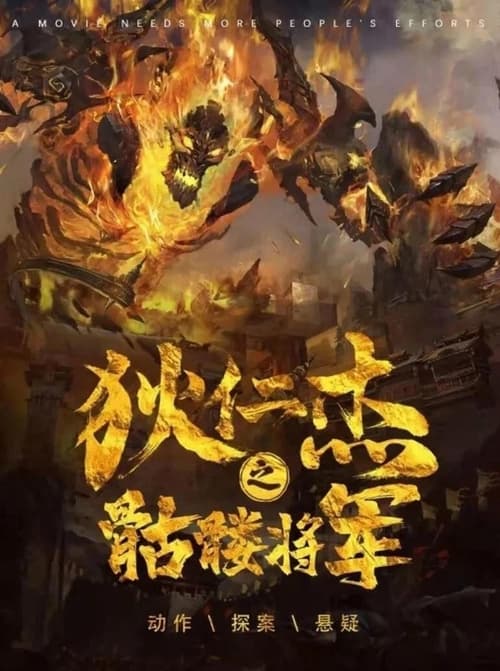
2022
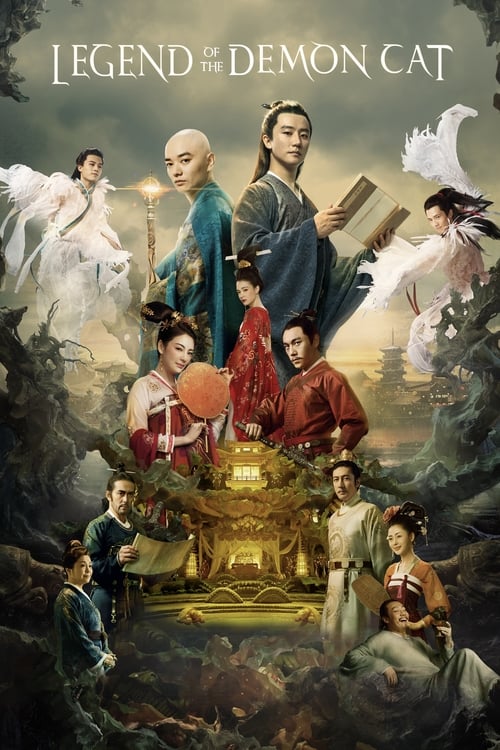
2017
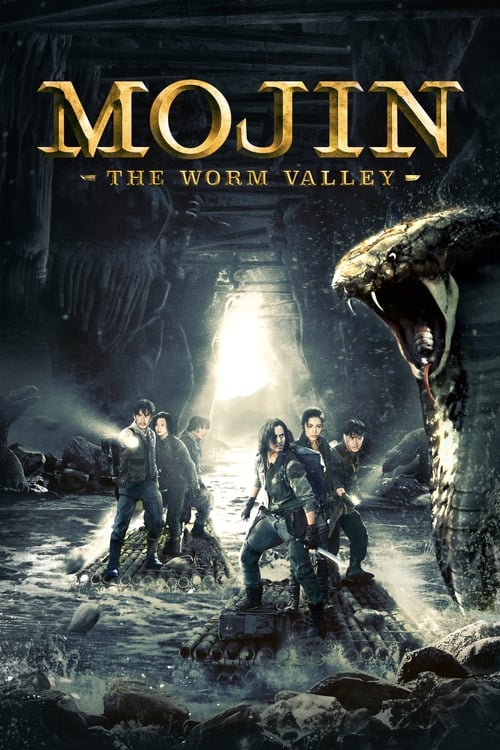
2018
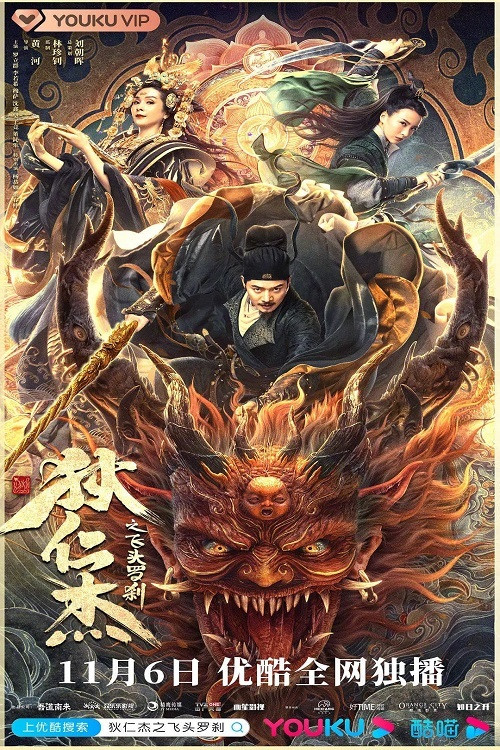
2020
No reviews yet. Be the first to share your thoughts on this movie!
Use the rating form above to leave a star rating and optional review.