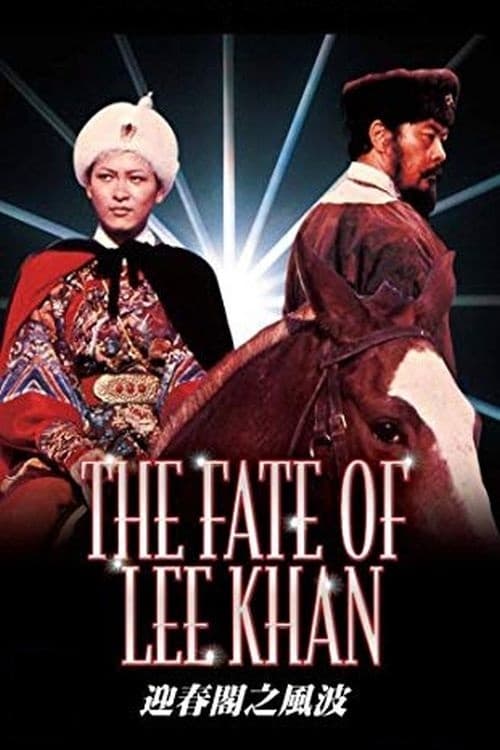
The Fate of Lee Khan
1973
No user ratings available yet
Representation score: 6.1 out of 10
Representation Score
Good
1979
Director
King Hu
Runtime
121 minutes
Average Rating
No ratings yetNew Showbiz Analysis
King Hu’s film stands out for its authentic cultural depiction, moving away from Western-centric narratives. By focusing on Buddhist philosophy and Ming Dynasty history, it offers a richly detailed and culturally specific experience. However, the film’s portrayal of gender and LGBTQ+ identities remains unclear. While the monastic setting allows for non-traditional social structures, the narrative does not explicitly confirm diverse identities or gendered power dynamics. Overall, the film is a strong example of non-Western storytelling that prioritizes spiritual themes over conventional action-driven plots, though it lacks clear representation of disabilities or specific identity-focused arcs.
Category Breakdown
The monastic setting provides a break from traditional family structures, but the film doesn't show any clear examples of LGBTQ+ relationships or non-binary gender identities.
The film explores gender roles within a Ming Dynasty context, where women sometimes hold significant power. However, specific instances of challenging gender norms are not clearly shown.
The film focuses on Chinese historical contexts and provides a platform for actors and settings that reflect non-Anglo-Saxon backgrounds.
The story highlights Buddhist spirituality and non-Western moral values, emphasizing philosophical and spiritual themes over material or family connections.
The film does not include any characters with physical or cognitive disabilities.
Present on Screen
Limited or Absent
Official Synopsis
In Ming Dynasty China, the retiring abbot of a Buddhist monastery invites two dignitaries to help him choose a successor, not suspecting that both of them have hired help to steal a priceless parchment kept in the temple.
1973
1967
1975

1970
1977
1961
1983
1974
No reviews yet. Be the first to share your thoughts on this movie!
Use the rating form above to leave a star rating and optional review.