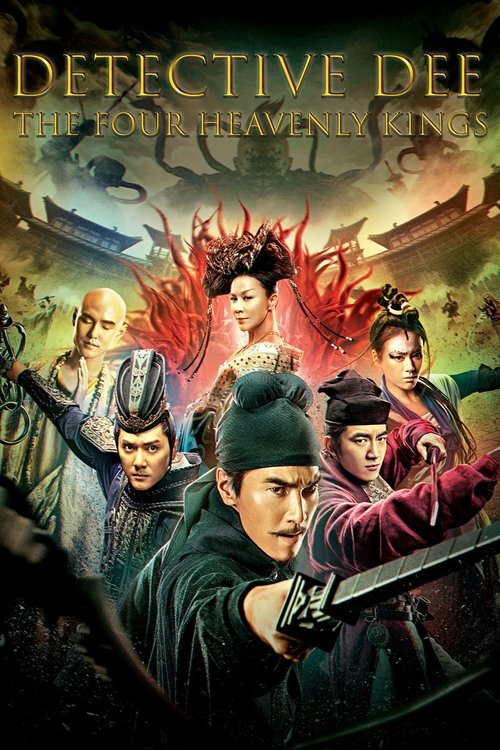
Detective Dee: The Four Heavenly Kings
2018
No user ratings available yet
Representation score: 7.5 out of 10
Representation Score
Good
2010
PG-13Director
Tsui Hark
Runtime
123 minutes
Average Rating
No ratings yetNew Showbiz Analysis
Tsui Hark’s film deconstructs traditional power structures through a rationalist lens. It excels in gender representation, presenting women as intellectual architects of state power rather than passive observers. The cultural critique of corrupt institutions provides a sophisticated, skeptical narrative framework. However, the film remains limited in its exploration of identity. It lacks explicit LGBTQ+ representation and engages minimally with characters having disabilities. While the Tang Dynasty setting offers ethnic diversity, the scope remains centered on imperial politics. Ultimately, the work is a genre-bending procedural that prioritizes systemic skepticism and female empowerment over a broad spectrum of human diversity.
Category Breakdown
The film does not include explicit LGBTQ+ identities or relationships that challenge traditional heterosexual norms. Character interactions focus on traditional roles and partnerships.
Empress Wu Zetian and Princess Shang are portrayed as strong, influential figures who play key roles in driving the story. These characters challenge the idea of women being passive or submissive.
Set in the cosmopolitan Tang Dynasty, the film showcases a variety of ethnic groups and social classes, reflecting a diverse social fabric.
The story critiques religious and imperial institutions as sources of corruption, favoring a rationalist perspective that emphasizes logical thinking over supernatural beliefs.
Characters are primarily defined by their physical strength and martial skills. The film does not explore neurodivergence or the experiences of individuals with disabilities.
Present on Screen
Limited or Absent
Official Synopsis
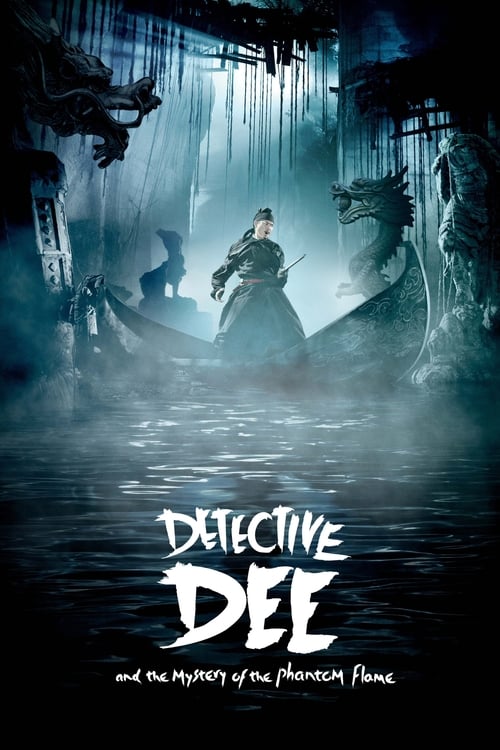
When the future empress Wu Zetian's two courtiers die in a mysterious fire, she gets Di Renjie, a former detective and rebel, released from prison to solve the mystery of the fire.
2018
2013

2018

2020
2022

2007

2020
2017
No reviews yet. Be the first to share your thoughts on this movie!
Use the rating form above to leave a star rating and optional review.