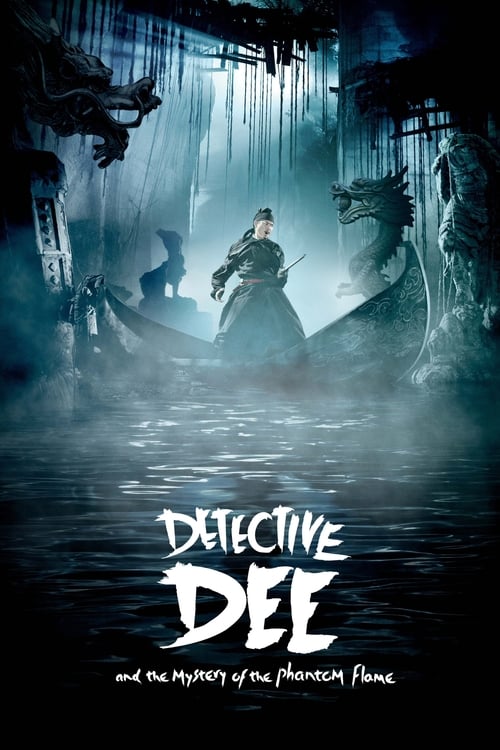
Detective Dee and the Mystery of the Phantom Flame
2010
No user ratings available yet
Representation score: 7.7 out of 10
Representation Score
Limited
2013
NRDirector
Tsui Hark
Runtime
134 minutes
Average Rating
No ratings yetNew Showbiz Analysis
Tsui Hark’s film focuses on kinetic visual storytelling and mythic elements rather than contemporary characters who reflect more than one aspect of diversity. It adheres to traditional hierarchies within the wuxia genre, limiting diversity in gender and identity categories. However, the film achieves depth through thematic subversion. Instead of presenting a singular view of imperial authority, it uses the mystery to deconstruct systemic corruption and the instability of the state. This adds intellectual complexity despite conventional character types. Ultimately, the work is a period piece that stays true to its historical context. Though it lacks modern social representation, its strength lies in its critique of power structures and institutional integrity.
Category Breakdown
The film does not include any LGBTQ+ characters or explore non-straight relationships. Relationships are centered around traditional social structures of the Tang Dynasty.
The story is driven by a male investigative team, with female characters mostly defined by their relationships to powerful men. Even though Empress Wu holds authority, the procedural action remains male-focused.
The cast is culturally uniform, reflecting the historical Tang Dynasty setting. There is no attempt to disrupt ethnic norms through casting choices.
The narrative critiques institutional corruption by depicting the imperial bureaucracy as a site of systemic wrongdoing. Supernatural elements are used to symbolize political instability and moral complexity.
No main characters have visible or invisible disabilities. The film does not explore neurodivergence or physical impairment in its character development.
Present on Screen
Limited or Absent
Official Synopsis
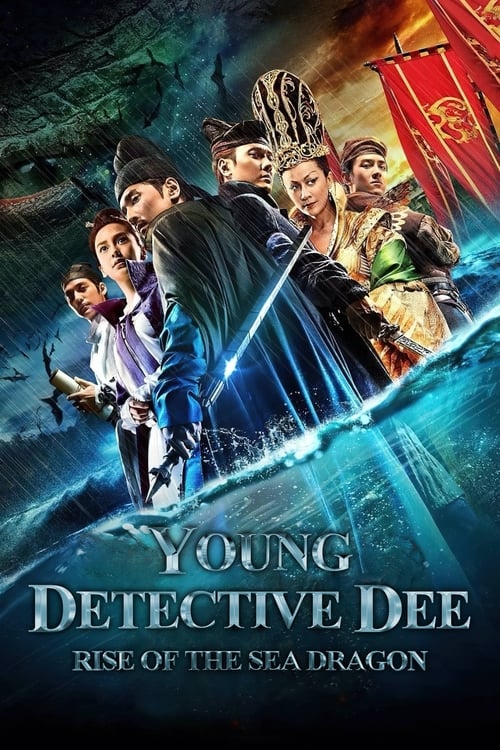
Young Dee Renjie arrives in the empire's capital to join the Supreme Court as police judge of his region. He wants to become a prosecutor. Empress Wu, who is at the beginning of her reign, has commissioned the fierce detective Yuchi to investigate a sea monster that stalks the city at night and makes it unsafe.
2010
2018
2020

2018
2022

2011
2018

2025
No reviews yet. Be the first to share your thoughts on this movie!
Use the rating form above to leave a star rating and optional review.