
Madame X
1966
No user ratings available yet
Representation score: 0.4 out of 10
Representation Score
Limited
1968
Director
Harry Kümel
Runtime
109 minutes
Average Rating
No ratings yetNew Showbiz Analysis
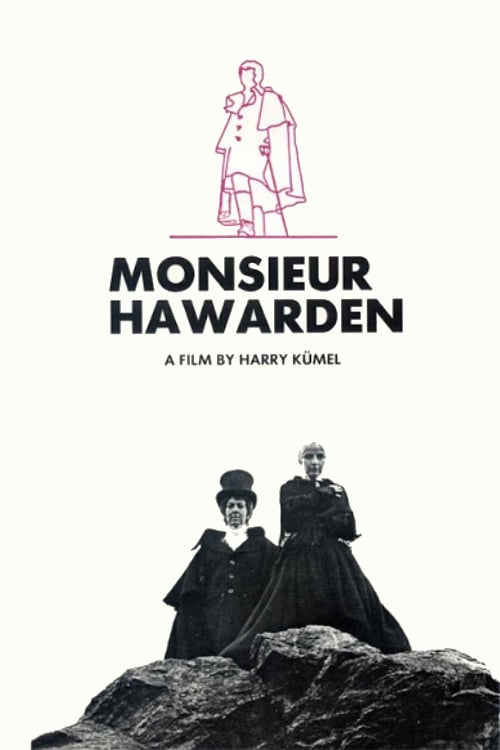
Monsieur Hawarden is a character study that excels in challenging traditional gender hierarchies through its protagonist's ability to drive the story. The lead woman actively manipulates social structures to survive, moving beyond the passive roles often found in period dramas. However, the film is limited by its historical setting, resulting in a lack of racial and ethnic diversity. The cast remains entirely homogeneous, reflecting the era's social constraints. While the film offers a complex look at morality and identity, it lacks explicit LGBTQ+ representation or any meaningful inclusion of disability.
Category Breakdown
The film does not include explicit same-sex relationships or non-binary identities. However, the protagonist uses a male disguise to navigate societal norms, subtly challenging the rigid gender roles of the 19th century.
The protagonist plays a significant role in driving the story, managing her own legal evasion and navigating male-dominated spaces. She avoids the submissive clichés of period dramas by focusing on psychological autonomy rather than domestic structures.
The film features a homogeneous white cast consistent with its 19th-century European setting. There is no indication of racial blending or non-Anglo-Saxon characters in the narrative.
The story explores moral relativism by framing the protagonist's actions through psychological necessity. It prioritizes internal subjective truth over traditional moralistic condemnation or restorative justice arcs.
There are no prominent depictions of physical or neurodivergent disabilities used as central plot devices or character traits.
Present on Screen
Limited or Absent
Official Synopsis
A woman disguises herself as a man to avoid prosecution for murdering her lover fifteen years ago. She is the last living member of a wealthy Vienna family, and has spent the years after the murder traveling Europe with her female servant. Her travels provide her with an anonymous cloak that allows her freedom of movement but little peace of mind. Nearing middle age, the guilt and weariness of an empty life has her contemplating suicide as the only way out of her dilemma.
1966
1964

1988

1964
1966

1968

1966
1964
No reviews yet. Be the first to share your thoughts on this movie!
Use the rating form above to leave a star rating and optional review.