
Welcome Home
1995
No user ratings available yet
Representation score: 6.1 out of 10
Representation Score
Excellent
1972
Director
Yasuzō Masumura
Runtime
104 minutes
Average Rating
No ratings yetNew Showbiz Analysis
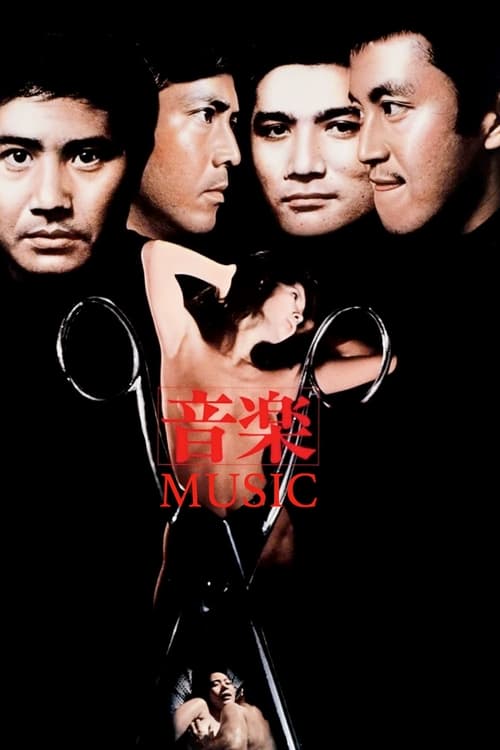
Music (1s972) is a psychologically intricate drama that emphasizes female subjectivity. By focusing on a woman's sensory loss and control over her life, the film steers clear of conventional domestic narratives. The film explores the conflict between personal psychological truth and societal pressures. It employs psychiatric themes to investigate how cultural expectations affect mental health. Though the film lacks multi-ethnic representation, it excels in offering a profound, non-Western perspective on human suffering and the disruption of social norms.
Category Breakdown
The protagonist's struggles with sexual hang-ups indicate a move away from traditional sexual norms. Although no non-cisgender identities are explicitly confirmed, the narrative challenges typical reproductive or domestic roles.
The film focuses on a woman's internal psychological state and sensory loss, rather than her interactions with men. This shifts the emphasis from traditional hierarchies to her personal autonomy and control over her own life.
As a 1972 Japanese production, the film operates within a culturally uniform setting. It delves into internal psychological states rather than showcasing a diverse cast of ethnicities.
The narrative takes a secular, modernist approach to dealing with suffering through psychiatric means. It questions social norms that demand conformity, presenting traditional structures as sources of psychological stress.
The protagonist's inability to hear music serves as a central metaphor for sensory or psychological disabilities. Using a psychiatric lens, the film provides a nuanced look at neurodivergence.
Present on Screen
Limited or Absent
Official Synopsis
A young woman undergoes psychiatric treatment after she no longer hears music and develops sexual hang-ups.
1995

1961
1977
1961
1972
1975
1970

1979
No reviews yet. Be the first to share your thoughts on this movie!
Use the rating form above to leave a star rating and optional review.