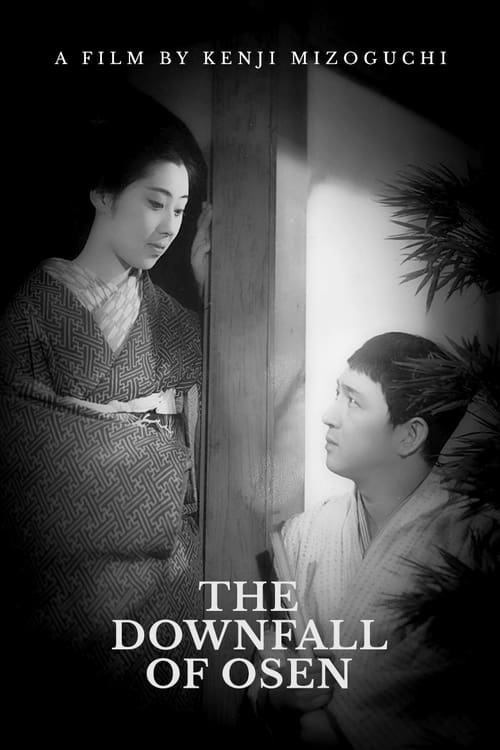
The Downfall of Osen
1935
No user ratings available yet
Representation score: 4.3 out of 10
Representation Score
Fair
1928
Director
Teinosuke Kinugasa
Runtime
74 minutes
Average Rating
No ratings yetNew Showbiz Analysis
Kinugasa’s film excels by focusing on character development rather than rigid social structures. It avoids melodrama by examining disability and gendered sacrifices to explore psychological depth. While the film is culturally uniform and adheres to the standards of 1928, it avoids being a passive period piece. Characters face difficult moral choices that propel the narrative forward.
Category Breakdown
The film follows traditional assumptions about straight relationships and doesn't include any LGBTQ+ identities or dynamics.
The film features Okiku, who actively drives the plot by making decisions to help her family. She challenges traditional gender roles by taking control of her life.
The film showcases a culturally consistent Japanese cast, avoiding Western casting practices and providing an authentic depiction of the time period.
The story highlights the tension between personal ethics and community obligations, portraying traditional institutions like families and brothels as sources of significant pressure.
Rikiya's sudden blindness drives the plot, exploring the psychological and socioeconomic impacts of losing sight. The film delves into the changing dynamics within the household.
Present on Screen
Limited or Absent
Official Synopsis
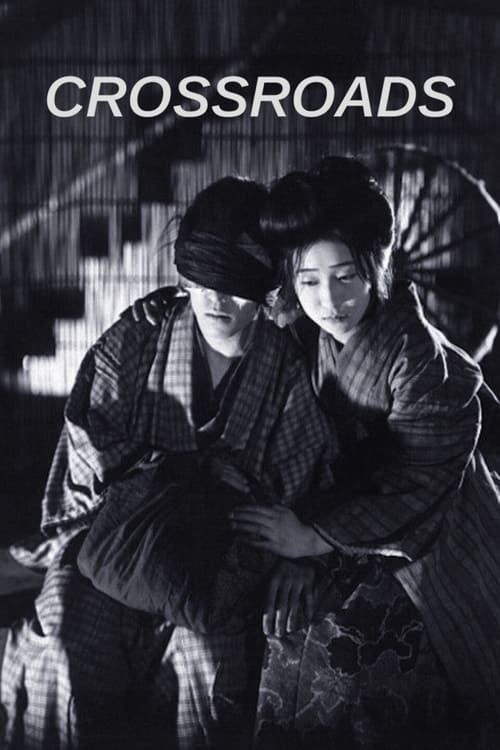
After falling in love with a courtesan, Rikiya is blinded by ash during a fight in a brothel. Believing the blindness permanent and his opponent dead, Rikiya goes back home to his sister. Okiku, desperate to protect her brother who thinks himself a murderer, wants to sacrifice herself for him and become a prostitute to pay for Rikiya's treatment.
1935

1956

1936
1952

1933
1920
1965
1963
No reviews yet. Be the first to share your thoughts on this movie!
Use the rating form above to leave a star rating and optional review.