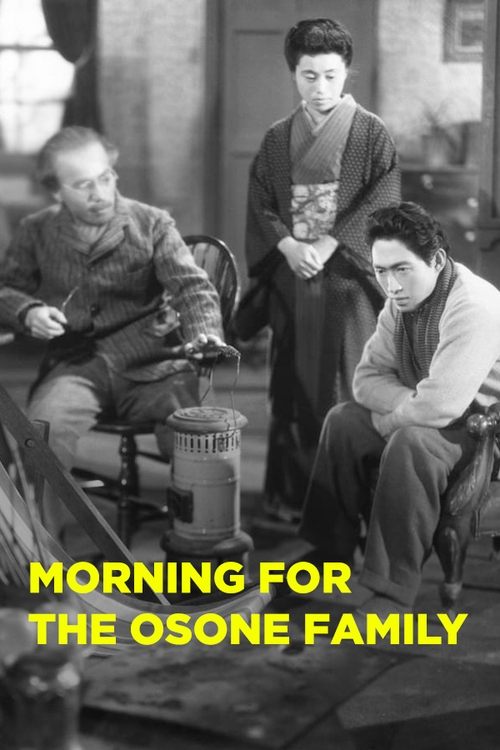
Morning for the Osone Family
1946
No user ratings available yet
Representation score: 4.6 out of 10
Representation Score
Excellent
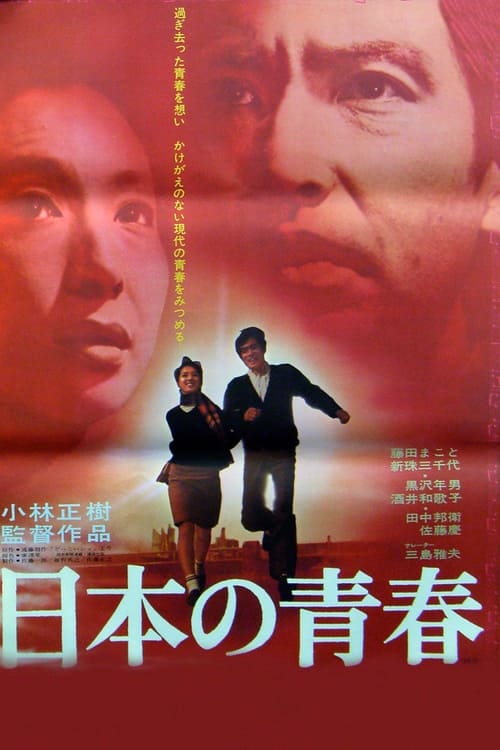
1968
Director
Masaki Kobayashi
Runtime
130 minutes
Average Rating
No ratings yetNew Showbiz Analysis
Masaki Kobayashi’s direction provides a sophisticated critique of systemic authority and the dehumanization of individuals within rigid hierarchies. The film uses personal struggles to deconstruct traditional social structures and the moral complexities of post-war existence. However, it remains limited by its historical and cultural context, focusing primarily on traditional familial and military conflicts.
Category Breakdown
The film does not explicitly depict LGBTQ+ identities or relationships outside of straight and cisgender norms. It focuses on family conflict during wartime without derogatory portrayals of queer identities.
The story critiques masculine-dominated wartime structures by highlighting the tension between individual desires and military patriarchy. The daughter of a war officer disrupts traditional domestic roles.
Set during WWII in Japan, the film depicts a culturally homogeneous society. It explores the internal complexities of Japanese identity and the impact of nationalism without presenting a monolithic view.
The film critiques oppressive wartime nationalism and Western-aligned military structures. It emphasizes the human cost of institutional rigidity over glorifying state duty or patriotism.
The protagonist's hearing impairment is integrated into his struggle against a conformist world. This portrayal gives him a unique perspective on the political landscape.
Present on Screen
Limited or Absent
Official Synopsis
During WWII, Zensaku, middle-aged and deaf in one ear, learns that his son has fallen for the daughter of a war officer responsible for the maiming.
1946
1959
1967
1955

1948
2006
1960
1955
No reviews yet. Be the first to share your thoughts on this movie!
Use the rating form above to leave a star rating and optional review.