Ballad of Orin
1977
No user ratings available yet
Representation score: 7.6 out of 10
Representation Score
Excellent
1972
Director
Kaneto Shindō
Runtime
112 minutes
Average Rating
No ratings yetNew Showbiz Analysis
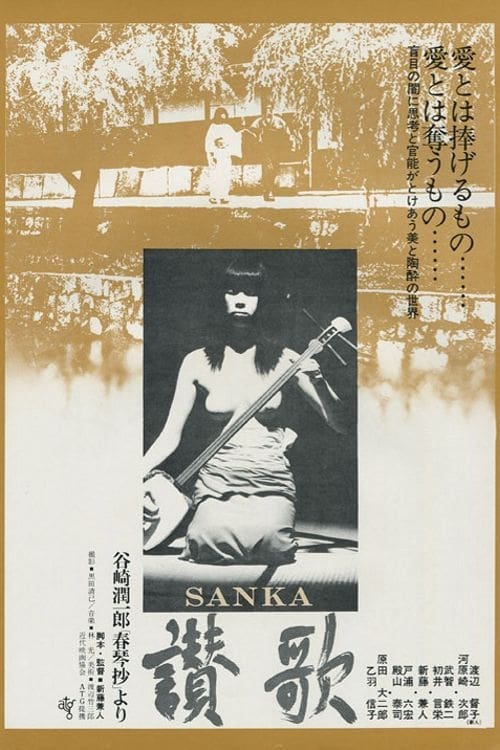
Kaneto Shindō’s *Hymn* is a sophisticated study of power dynamics that disrupts conventional social hierarchies. By centering a female lead with absolute authority, the film subverts the cliché of the submissive woman. The film integrates disability into a character of high ability to act, avoiding common pitfalls of pity. It presents a world where individual desire and folk identity clash with traditional institutional structures. While the film lacks explicit LGBTQ+ markers, its exploration of non-traditional companionship and complex power imbalances provides a nuanced, non-conformist narrative experience.
Category Breakdown
The film explores an unconventional romantic relationship between Sasuke and Shunkin, defined by obsession and power rather than explicit non-straight identities.
Shunkin challenges traditional gender roles by taking absolute authority as a blind teacher, exercising dominance and psychological control over the male protagonist.
The film offers a localized, non-Western perspective through its Japanese cast, focusing on specific Japanese folk identity and social stratification.
It critiques social rigidity by highlighting the clash between individual passion and communal or religious expectations, prioritizing localized folk identity.
Shunkin’s blindness is part of her strong personality rather than a source of pity, showing her sensory disability as a component of her authority.
Present on Screen
Limited or Absent
Official Synopsis
The story tells of the adoration of Sasuke for his mistress, the blind samisen-teacher Shunkin, who treats him imperiously and subjects him to cruel beatings.
1977
1952

1977
1957

1973

1962
1985
1963
No reviews yet. Be the first to share your thoughts on this movie!
Use the rating form above to leave a star rating and optional review.