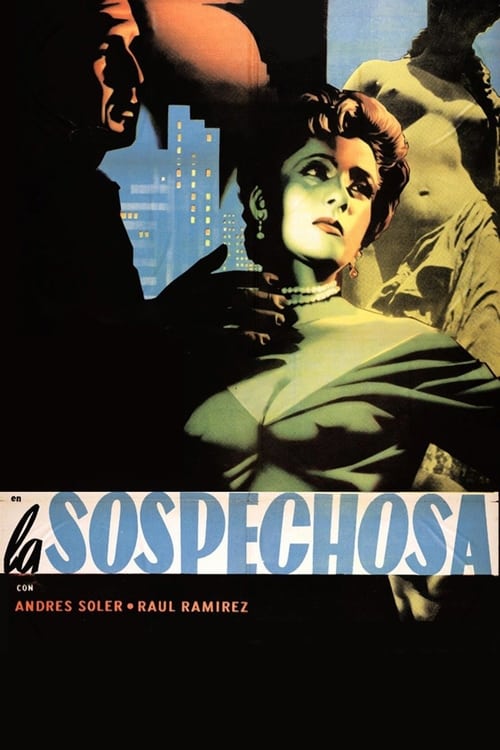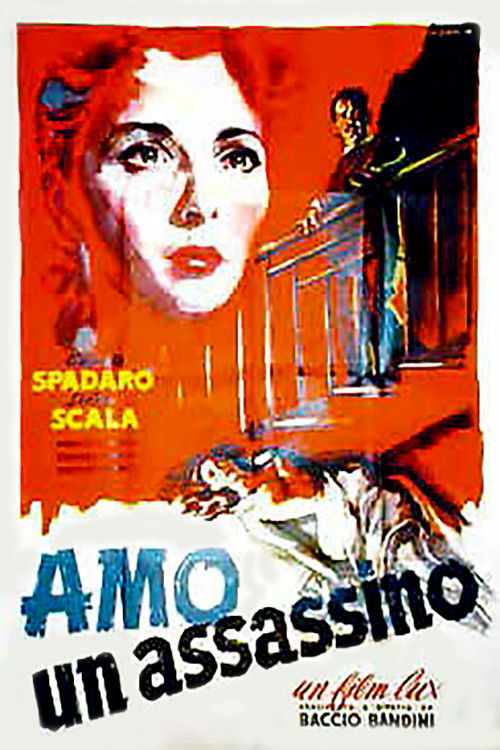
Appointment for Murder
1952
No user ratings available yet
Diversity score: 2.6 out of 10
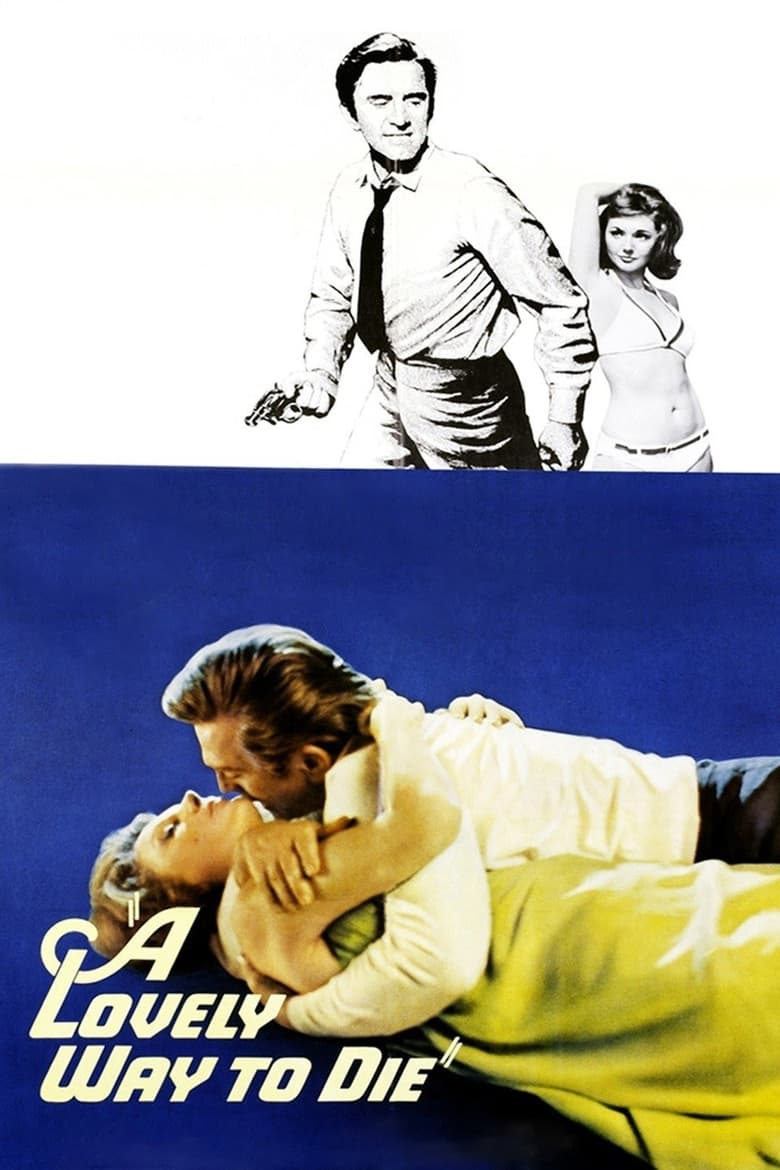
1968
NRDirector
David Lowell Rich
Runtime
103 minutes
Average Rating
No ratings yetSynopsis
A cop quits the force after too much disappointment in the system. He becomes a bodyguard of a rich recent widow. She is on trial for her husband's murder. He decides to help her clear her name... and get over her husband.
Overall Score
Limited
Category Breakdown
LGBTQ+ Representation
The film focuses on heterosexual romantic tension between a former officer and a widow. It lacks any evidence of queer narratives or non-cisnormative identities.
Gender Representation
While the story centers on a female protagonist, she is positioned as a character needing rescue. The male lead drives the resolution as the protector.
Racial & Ethnic Diversity
The narrative focuses on established social classes without indicating diverse casting. It appears to follow the era's tendency toward homogeneous character ensembles.
Religious & Cultural Diversity
The plot explores systemic disillusionment through a cynical noir lens. It lacks a broader critique of Western institutions or alternative social frameworks.
Disability Representation
There is no information regarding characters with visible or invisible disabilities in this production.
Strengths
Areas for Improvement
AI Analysis
A Lovely Way to Die is a conventional 1968 crime drama that adheres strictly to the social and cinematic hierarchies of its era. The narrative relies on established genre tropes, focusing on a male protector and a female lead in need of legal vindication. The film lacks intersectional complexity, offering little representation for LGBTQ+ individuals or diverse racial groups. While it touches on institutional skepticism, it does so through a standard lens of individual cynicism rather than meaningful social critique. Ultimately, the work functions as a period-typical mystery that reinforces traditional gender roles and homogeneous casting patterns common to mid-century genre cinema.
No reviews yet. Be the first to share your thoughts on this movie!
Use the rating form above to leave a star rating and optional review.