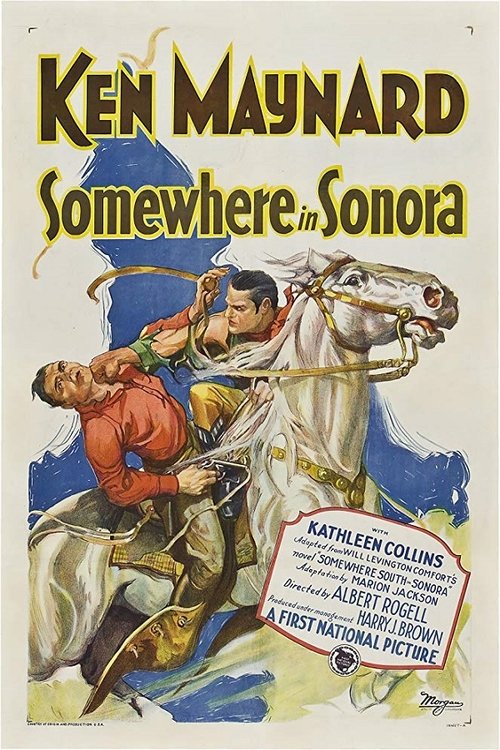
Somewhere in Sonora
1927
No user ratings available yet
Representation score: 0.6 out of 10
Representation Score
Minimal
1923
PassedDirector
Lambert Hillyer
Runtime
50 minutes
Average Rating
No ratings yetNew Showbiz Analysis
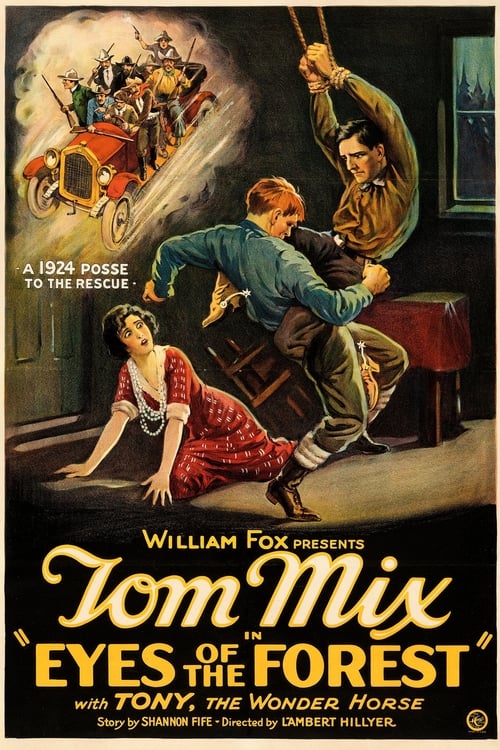
Eyes of the Forest is a conventional Tom Mix Western that emphasizes genre archetypes over narrative complexity. The plot focuses on law enforcement using airplanes to catch criminals, reinforcing institutional authority and established social structures. The film relies heavily on traditional Western clichés, such as rugged individualism and clear moral dichotomies, which serve to uphold the status quo rather than challenge existing power dynamics or identity norms. Ultimately, it functions as a period-typical genre piece, lacking the intentionality needed to disrupt conventional expectations regarding gender, race, or social hierarchy.
Category Breakdown
The film follows early silent Western traditions, emphasizing traditional masculinity and courtship. It does not include non-cisgender identities or narratives that question the assumption that everyone is straight.
The story revolves around the masculine 'Ranger' archetype and physical authority. Female characters are mostly in supporting roles or as romantic interests within a traditional hierarchy.
Reflecting 1920s cinema norms, the film focuses on Anglo-Saxon protagonists. It lacks a diverse cast or non-human symbols representing diversity.
The narrative supports Western institutions and modern technology to maintain social order. It upholds traditional values of patriotism and law, rather than presenting moral ambiguity.
There is no information about the portrayal of characters with physical or neurodivergent disabilities in this work.
Present on Screen
Limited or Absent
Official Synopsis
The Rangers use airplanes to catch the bad guys in this Tom Mix Western filmed on location in Santa Cruz, California.
1927
1948
1924
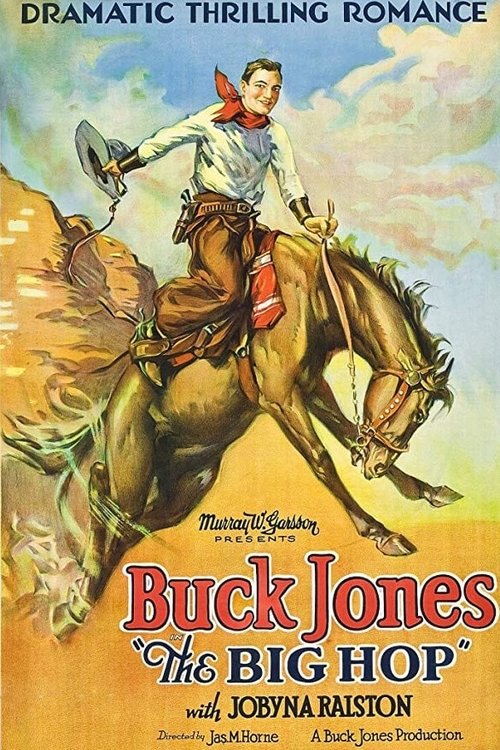
1928
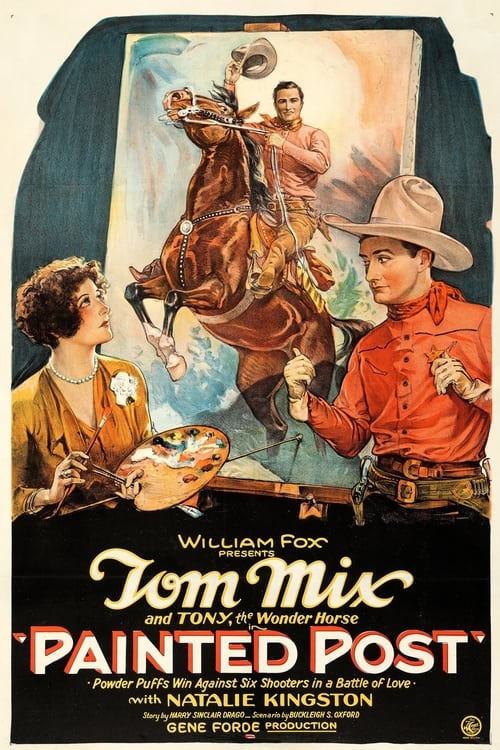
1928
1922
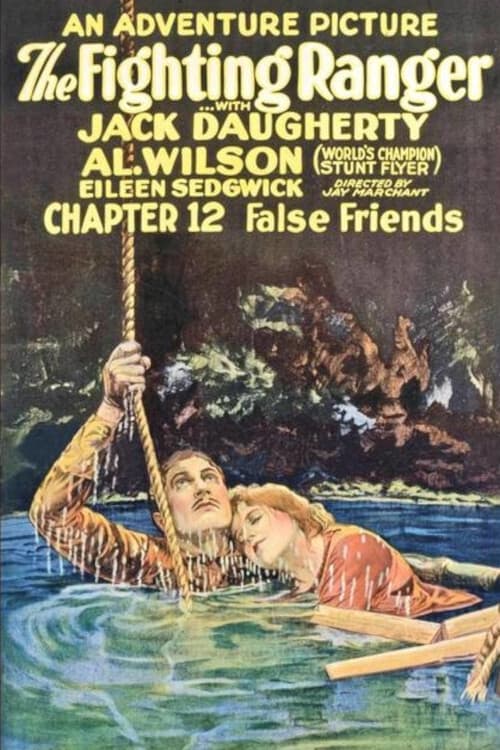
1925

1926
No reviews yet. Be the first to share your thoughts on this movie!
Use the rating form above to leave a star rating and optional review.