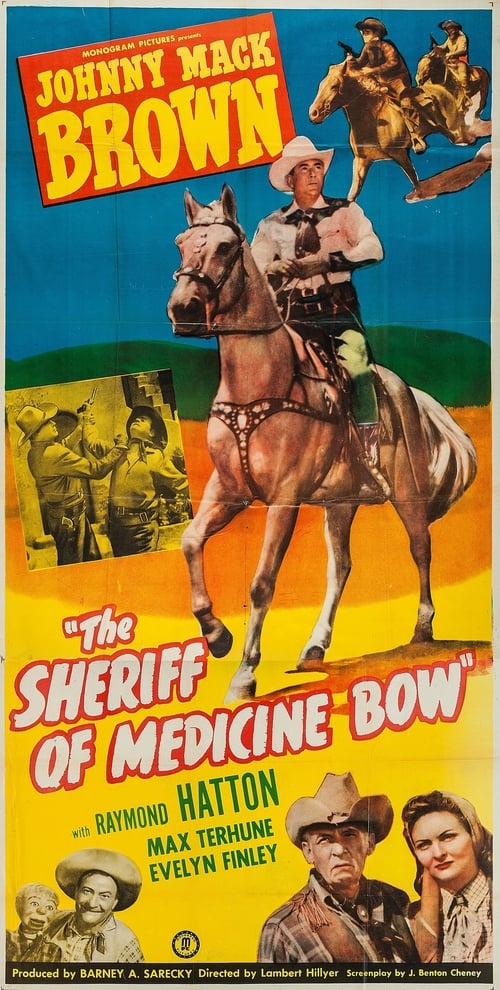
The Sheriff of Medicine Bow
1948
No user ratings available yet
Diversity score: 1.9 out of 10

1944
ApprovedDirector
Lambert Hillyer
Runtime
57 minutes
Average Rating
No ratings yetSynopsis
Two-fisted cowboys fight for law and order in their encounters with outlaws.
Overall Score
Limited
Category Breakdown
LGBTQ+ Representation
The film follows conventional heteronormative structures typical of 1944 cinema. There is no evidence of non-cisnormative identities or same-sex intimacy within the narrative.
Gender Representation
The story emphasizes masculine agency through 'two-fisted cowboys' fighting for law and order. This focus reinforces traditional gender hierarchies and physical prowess.
Racial & Ethnic Diversity
The film reflects the homogeneous casting norms of the 1940s. It lacks significant characters of color with high agency, centering instead on white protagonists.
Religious & Cultural Diversity
Themes center on moral absolutism and the preservation of social order. The narrative promotes traditional Western values of justice and institutional stability.
Disability Representation
The available information provides no mention of characters with visible or invisible disabilities. No representation in this category is identified.
Strengths
Areas for Improvement
AI Analysis
West of the Rio Grande is a quintessential mid-century Western that operates strictly within the established social and narrative hierarchies of its era. It prioritizes traditional genre tropes over any attempt to subvert social norms. The film focuses on masculine heroism and the enforcement of law, offering little room for diverse perspectives. Its framework relies on clear moral dichotomies and the standard industry practices of the 1940s. Ultimately, the work functions as a traditional genre piece. It lacks the intentionality required to disrupt conventional expectations regarding race, gender, or identity.
1948
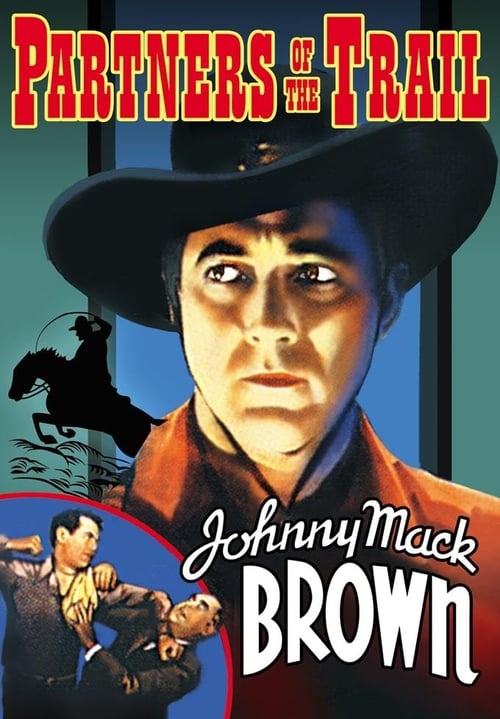
1944
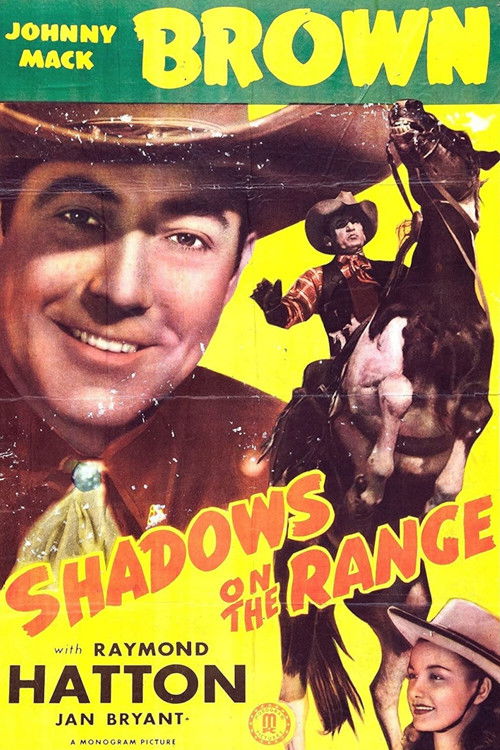
1946
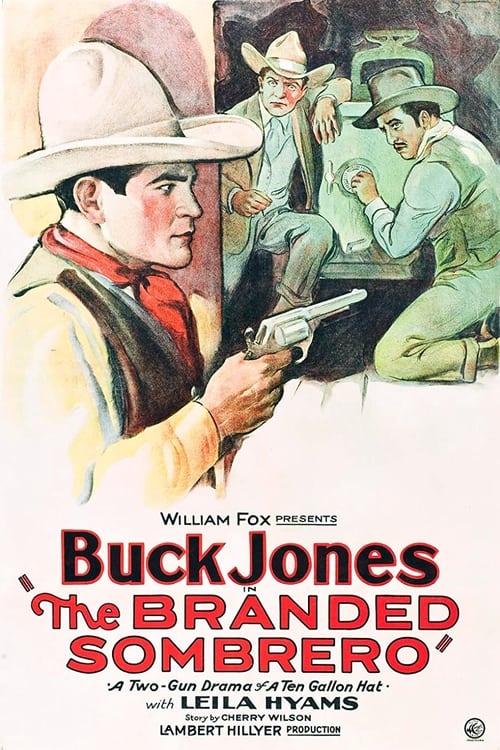
1928
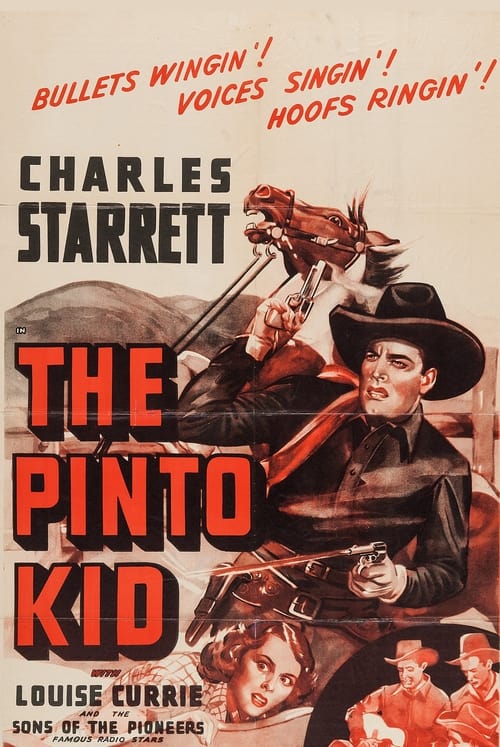
1941
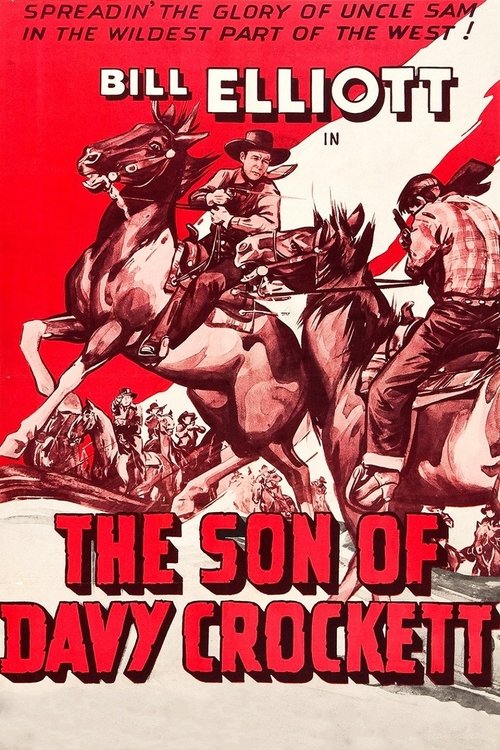
1941
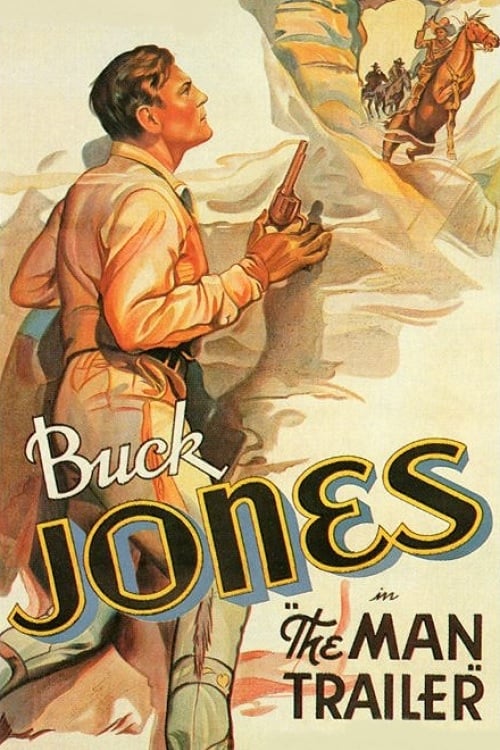
1934

1947

1947
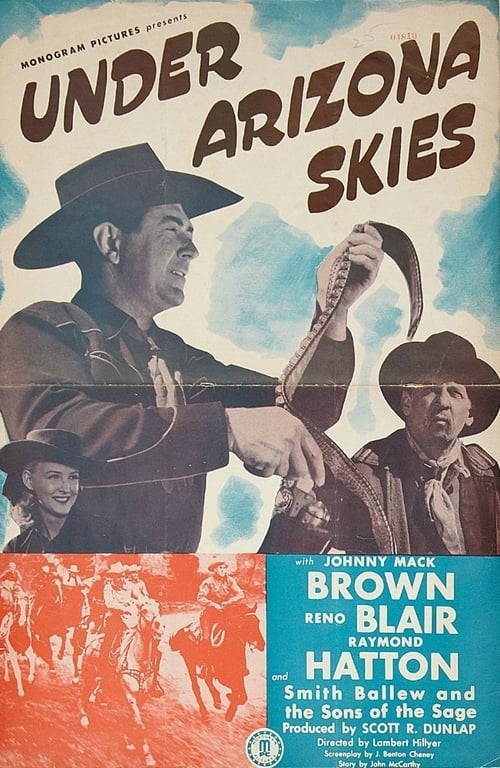
1946
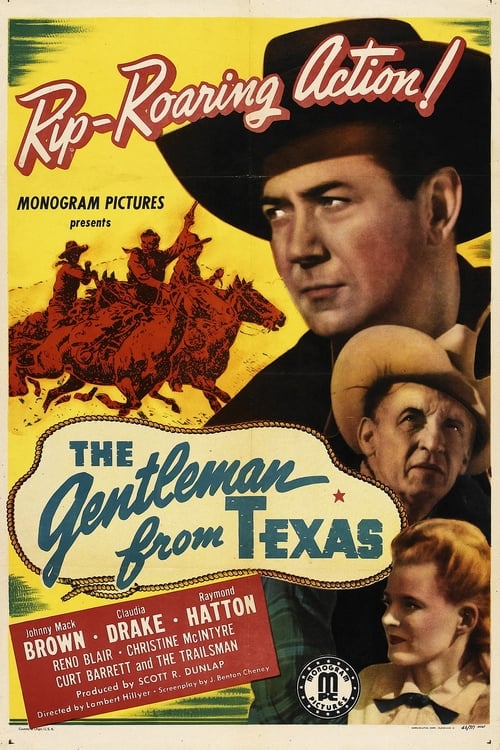
1946
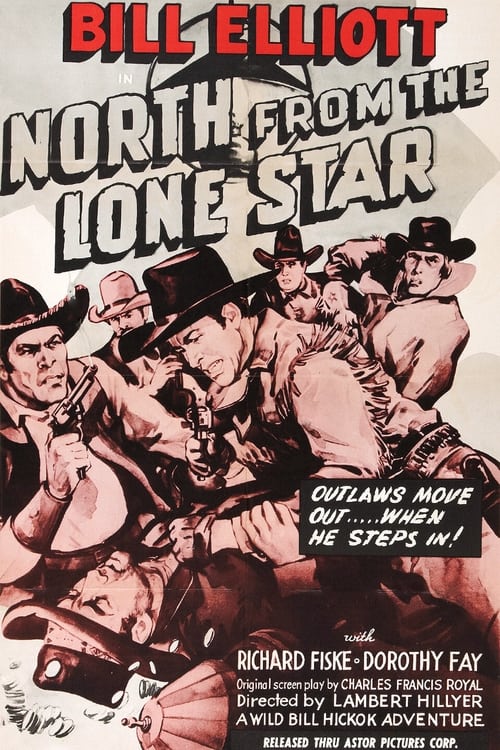
1941
No reviews yet. Be the first to share your thoughts on this movie!
Use the rating form above to leave a star rating and optional review.