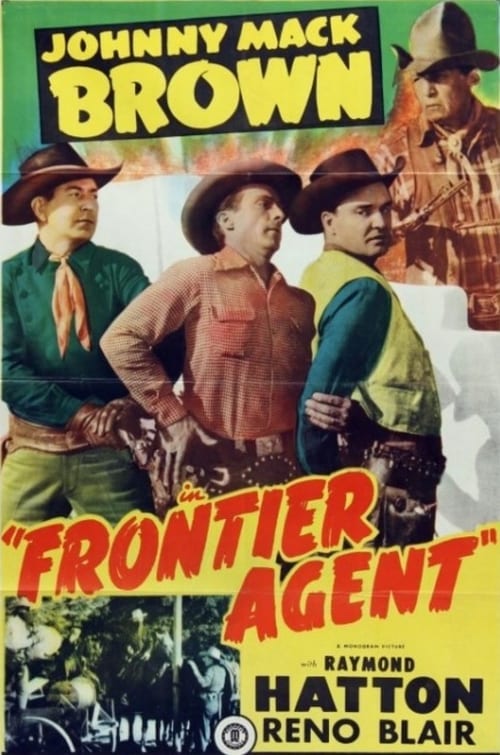
Frontier Agent
1948
No user ratings available yet
Representation score: 0.6 out of 10
Representation Score
Minimal
1947
PassedDirector
Lambert Hillyer
Runtime
54 minutes
Average Rating
No ratings yetNew Showbiz Analysis
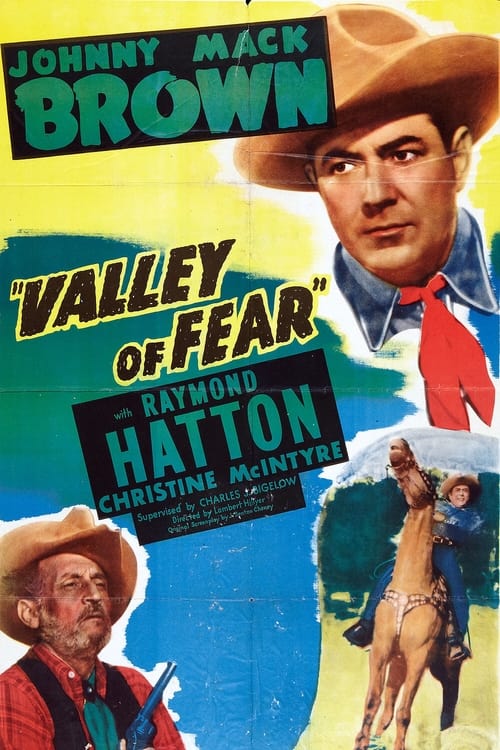
Valley of Fear is a quintessential 1940s Western that adheres strictly to the genre's traditional storytelling structures. The narrative focuses on individual ability to act and the restoration of local order, driven almost entirely by a male cast. The film lacks diversity in almost every category, reflecting the era's demographic homogeneity. It centers on white, Anglo-Saxon characters and reinforces established social and economic hierarchies without attempting to challenge them. Ultimately, the film serves as a period piece that prioritizes traditional masculine conflict resolution and the preservation of existing institutional values.
Category Breakdown
The film contains no LGBTQ+ characters or representations of non-straight relationships. It operates within a traditional framework without exploring queer narratives.
The male-dominated cast focuses on masculine leadership, with female characters not serving as primary drivers of the plot or challenging traditional gender roles.
The production reflects the demographic homogeneity of the 1940s. The cast centers on a white, Anglo-Saxon protagonist and antagonist group with no significant non-white characters.
The narrative reinforces established capitalist and legal structures through themes of property and banking. It focuses on maintaining social stability rather than critiquing Western institutions.
There are no visible or invisible disabilities portrayed. Characters are depicted through the lens of standard physical capability required for the Western genre.
Present on Screen
Limited or Absent
Official Synopsis
Johnny Williams (Johnny Mack Brown) returns to his home town of Beaufort, and finds himself when being chased by banker Henry Stevens (Tristram Coffin), Grangers Association head Les Travers (Ed Cassidy as Edward Cassidy) and real estate agent Frank Wilkins (Ted Adams.)
1948
1940
1944
1958
1947
1948
1948
1945
No reviews yet. Be the first to share your thoughts on this movie!
Use the rating form above to leave a star rating and optional review.