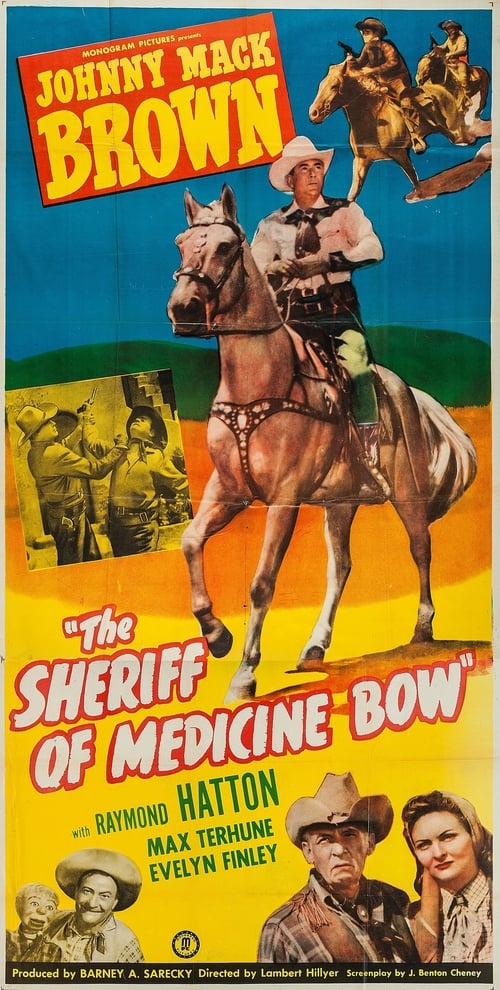
The Sheriff of Medicine Bow
1948
No user ratings available yet
Representation score: 0.6 out of 10
Representation Score
Minimal
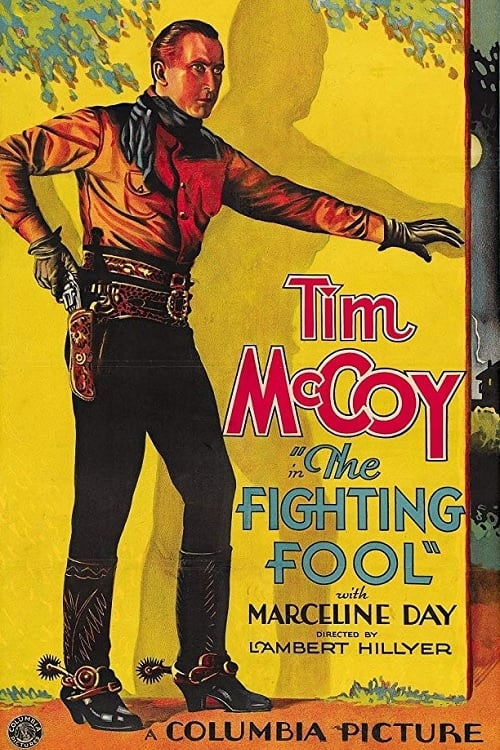
1932
PassedDirector
Lambert Hillyer
Runtime
58 minutes
Average Rating
No ratings yetNew Showbiz Analysis
The Fighting Fool is a classic early sound-era Western that relies on established genre clichés. It prioritizes traditional heroism and clear moral conflicts over complex or storytelling that reflects multiple aspects of identity. The film reinforces social hierarchies by centering on a law enforcement figure and a conventional romantic subplot, adhering to the rigid social structures of the 1930s studio system. Ultimately, the work lacks diverse character arcs and upholds existing cultural norms rather than challenging them.
Category Breakdown
The movie follows a traditional storyline focused on heterosexual relationships, with no LGBTQ+ representation or themes.
Gender roles are traditional, with the male lead having all the authority and control, while the female lead mainly serves as a romantic interest.
The film features predominantly white actors, reflecting the casting norms of its time period, centered around Anglo-Saxon protagonists typical of the Western genre.
The story emphasizes traditional Western values like law, order, and individual heroism, reinforcing the legitimacy of institutional authority through the Sheriff's office.
There is no evidence of characters with visible or invisible disabilities. No such figures are portrayed with ability to act within the narrative fabric.
Present on Screen
Limited or Absent
Official Synopsis
A sheriff (Tim McCoy) flirts with a local girl (Marceline Day) and chases an outlaw called the Shadow.
1948
1934
1930

1947
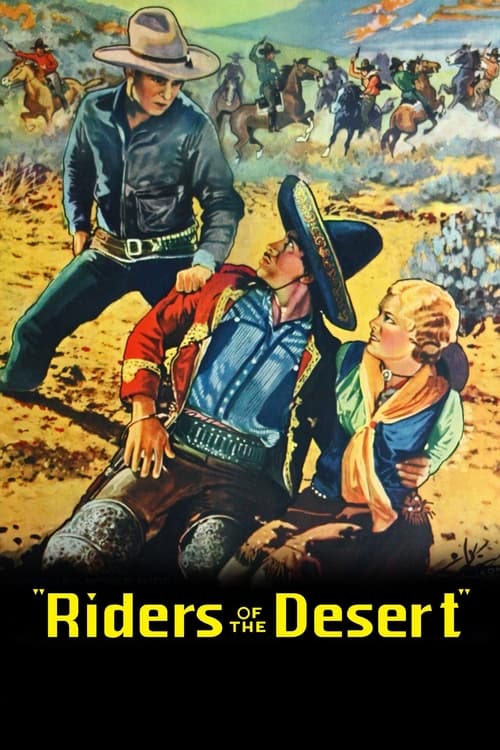
1932
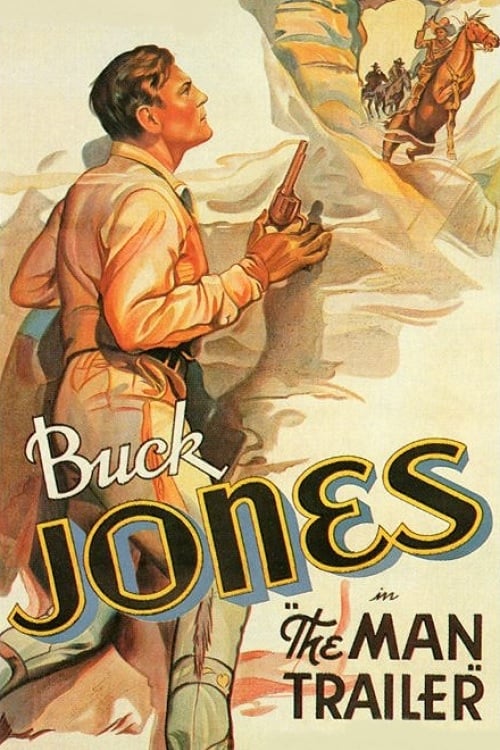
1934
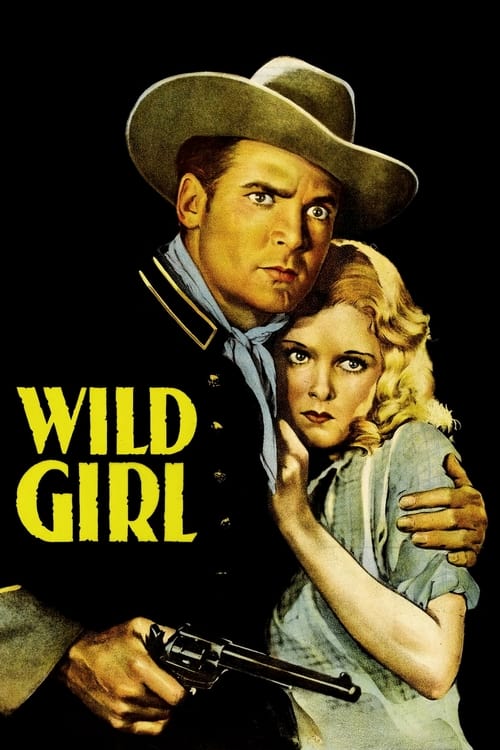
1932
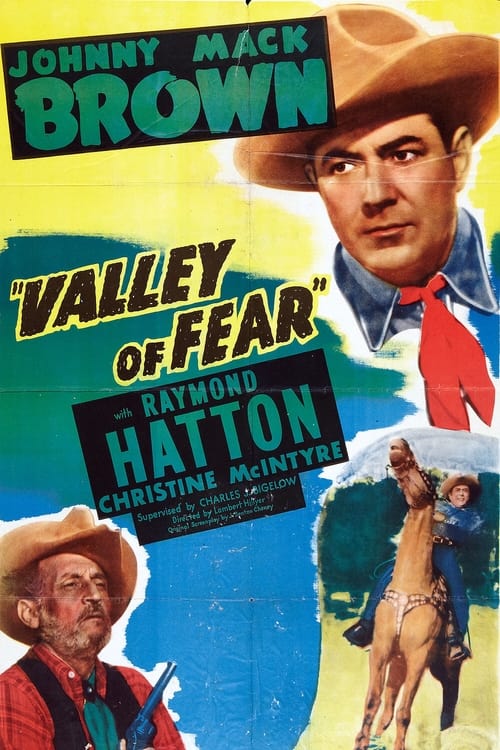
1947
No reviews yet. Be the first to share your thoughts on this movie!
Use the rating form above to leave a star rating and optional review.