Sweet Smell of Success
1957
No user ratings available yet
Diversity score: 3.9 out of 10

1995
RDirector
Oliver Parker
Runtime
123 minutes
Average Rating
No ratings yetSynopsis
The evil Iago pretends to be friend of Othello in order to manipulate him to serve his own end in the film version of this Shakespeare classic.
Overall Score
Fair
Category Breakdown
LGBTQ+ Representation
The film lacks identifiable LGBTQ+ characters or narratives. Social and romantic dynamics remain strictly centered on heteronormative structures.
Gender Representation
Female characters often function as subjects of male psychological conflict rather than autonomous agents. While Emilia offers a critique of social constraints, the narrative remains tethered to traditional hierarchies.
Racial & Ethnic Diversity
Casting Laurence Fishburne as Othello provides powerful representation. The film explores the tension between his military authority and his perceived 'otherness' within Venetian society.
Religious & Cultural Diversity
The story deconstructs the stability of the Venetian social order. It highlights how systemic manipulation and prejudice can erode the foundations of law and military authority.
Disability Representation
The film does not feature characters with visible or invisible disabilities as central narrative elements or drivers of agency.
Strengths
Areas for Improvement
AI Analysis
This adaptation succeeds as a study of systemic alienation. By centering a Black protagonist within a white European power structure, it uses racial identity to explore the precariousness of marginalized figures in positions of authority. However, the film's impact is tempered by its adherence to traditional gender roles. Most female characters serve as catalysts for male tragedy rather than independent actors, limiting the scope of its social critique. The absence of LGBTQ+ narratives and disability-centric storylines results in a moderate overall score, despite the film's significant achievements in racial representation.
1957

2000
1950
1948
1997
1948
1996
1963
1951

1999

2004
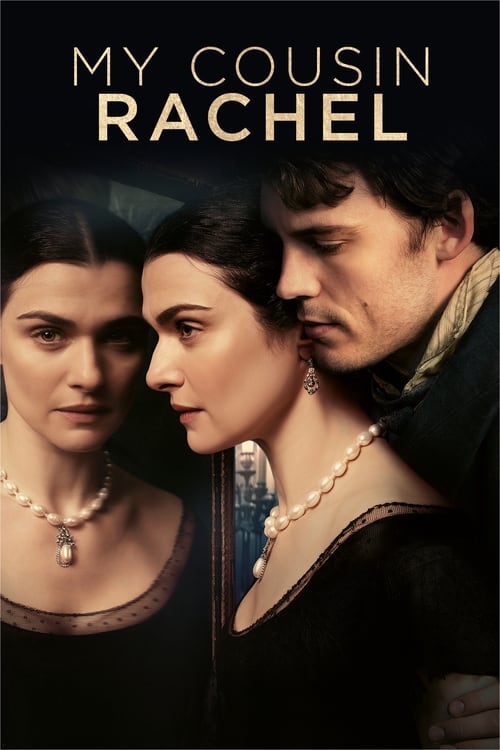
2017
No reviews yet. Be the first to share your thoughts on this movie!
Use the rating form above to leave a star rating and optional review.