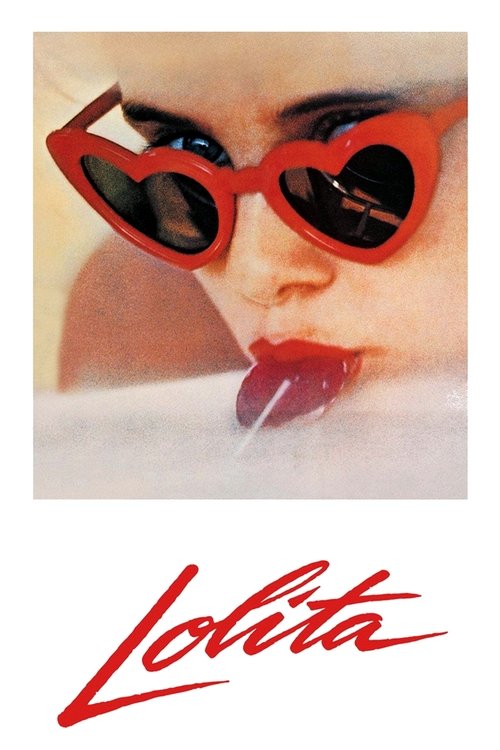
Lolita
1962
No user ratings available yet
Representation score: 1.5 out of 10
Representation Score
Minimal
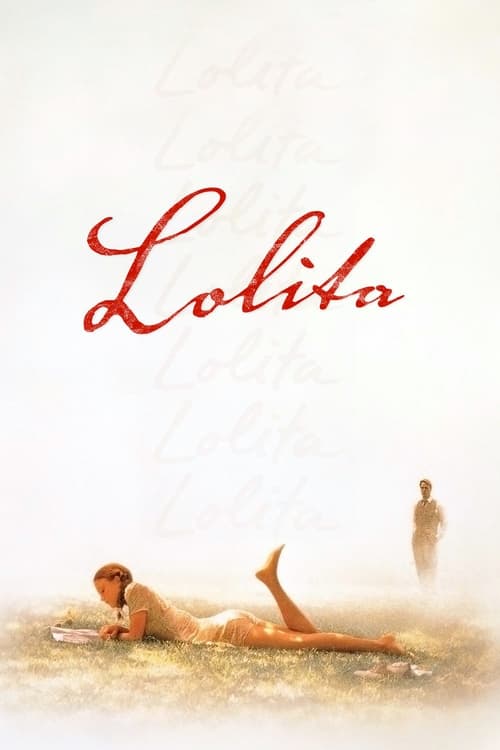
1997
RDirector
Adrian Lyne
Runtime
137 minutes
Average Rating
No ratings yetNew Showbiz Analysis
Adrian Lyne’s adaptation focuses on a singular, predatory obsession that precludes meaningful representation of multiple aspects of identity. The film adheres to a traditional demographic homogeneity, centering almost entirely on a singular male perspective. The narrative structure prioritizes the aestheticization of individual deviance over any challenge to systemic hierarchies. By focusing on the protagonist's internal monologues, the film uses poetic language to justify criminal dysfunction rather than promoting progressive social values. Ultimately, the lack of control afforded to the female lead and the absence of diverse casting result in a cinematic structure that is non-inclusive and traditional.
Category Breakdown
The film follows a strictly heterosexual path centered on a predatory relationship. It offers no depictions of non-binary gender identities or narratives that challenge traditional structures.
A profound power imbalance defines the film, positioning female characters as objects of desire rather than autonomous individuals. The narrative reinforces a predatory hierarchy rather than subverting gender roles.
Set in a mid-century, white, upper-middle-class environment, the cast is entirely homogeneous. The film lacks any significant engagement with racial or ethnic diversity.
The story uses moral relativism to justify the protagonist's pathology. While it depicts the corruption of the family unit, it lacks a broader systemic or institutional critique.
No visible or invisible disabilities are portrayed as central to the character arcs or the narrative development.
Present on Screen
Limited or Absent
Official Synopsis
Humbert Humbert is a middle-aged British novelist who is both appalled by and attracted to the vulgarity of American culture. When he comes to stay at the boarding house run by Charlotte Haze, he soon becomes obsessed with Lolita, the woman's teenaged daughter.
1962

1978
1989
1979
2006
1989

2011
1985
No reviews yet. Be the first to share your thoughts on this movie!
Use the rating form above to leave a star rating and optional review.