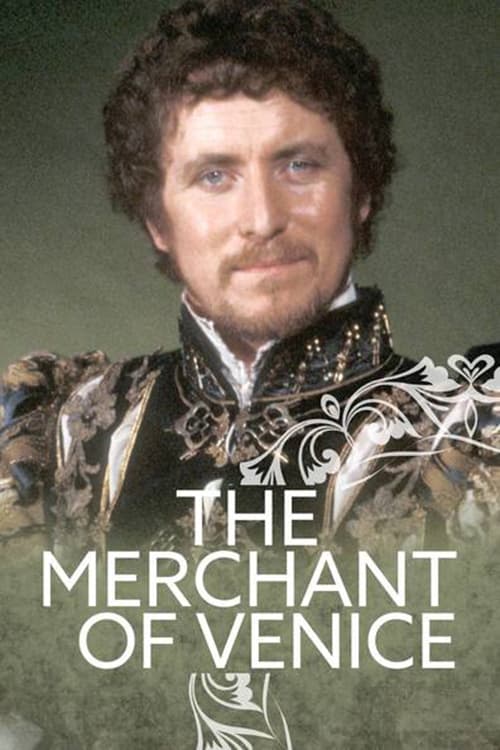
The Merchant of Venice
1980
No user ratings available yet
Representation score: 4.7 out of 10

Representation Score
Good
2004
RDirector
Michael Radford
Runtime
132 minutes
Average Rating
No ratings yetNew Showbiz Analysis
Radford’s adaptation serves as a deep examination of systemic exclusion. By focusing on the Jewish experience, the film goes beyond caricature to critique the mechanisms of 'othering' within a dominant religious context. The film excels in exposing the historical power dynamics through the Venetian setting. It highlights how legal and religious institutions can be used against underrepresented groups to enforce conformity. While the film provides strong critiques of ethnic and religious oppression, it remains limited in its exploration of gender identity and disability, reflecting the social constraints of its period setting.
Category Breakdown
The film follows the social norms of the 16th century and does not include any representations of LGBTQ+ identities or same-sex relationships.
Portia uses a male disguise to navigate the legal system, showcasing her intelligence and ability to outmaneuver patriarchal authority in the Venetian court.
The film portrays the Jewish community as a underrepresented group facing widespread hostility. Shylock is shown as a complex character navigating a hostile, Anglo-Christian society.
The narrative criticizes religious and legal institutions as tools of oppression. It highlights the hypocrisy of the Venetian elite through the forced conversion of Shylock.
There are no significant portrayals of physical or neurodivergent disabilities in the film.
Present on Screen
Limited or Absent
Official Synopsis
Venice, 1596. Bassanio begs his friend Antonio, a prosperous merchant, to lend him a large sum of money so that he can woo Portia, a very wealthy heiress; but Antonio has invested his fortune abroad, so they turn to Shylock, a Jewish moneylender, and ask him for a loan.
1980
1951

1998
1997

1988
1967

1993
1995
No reviews yet. Be the first to share your thoughts on this movie!
Use the rating form above to leave a star rating and optional review.