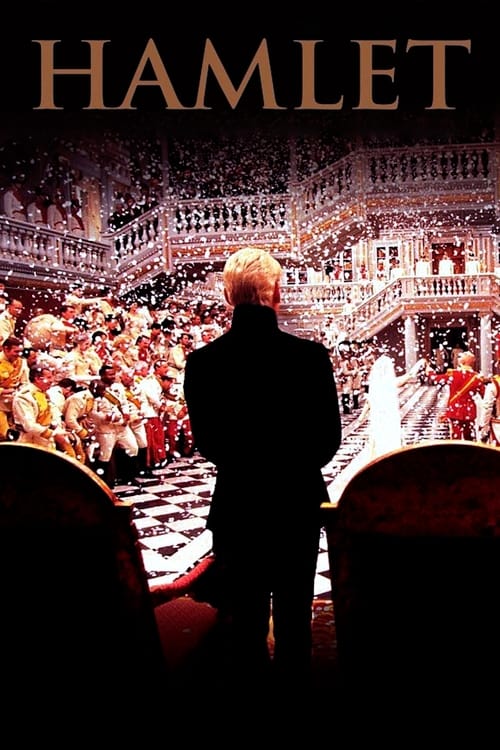
Hamlet
1996
No user ratings available yet
Diversity score: 4.0 out of 10
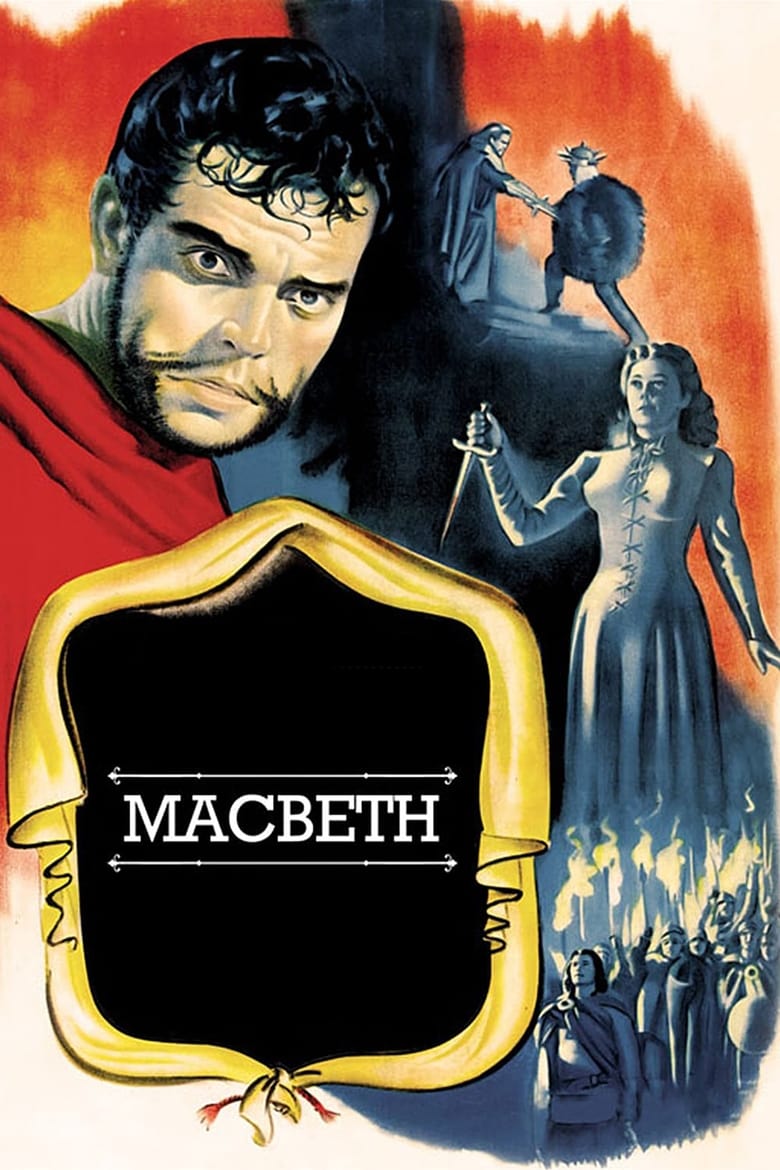
1948
NRDirector
Orson Welles
Runtime
107 minutes
Average Rating
No ratings yetSynopsis
Macbeth, the Thane of Glamis, receives a prophecy from a trio of witches that one day he will become King of Scotland. Consumed by ambition and spurred to action by his wife, Macbeth commits a treasonous act and takes the throne for himself.
Overall Score
Limited
Category Breakdown
LGBTQ+ Representation
The film contains no identifiable LGBTQ+ characters or narratives. The story focuses exclusively on the central marital bond and supernatural prophecy elements.
Gender Representation
Lady Macbeth serves as the primary engine of the narrative rather than a passive figure. She possesses the intellectual agency and psychological fortitude that drive the protagonist's descent.
Racial & Ethnic Diversity
The cast is homogeneous, reflecting the 1948 production period and the medieval Scottish setting. There is no evidence of non-Anglo-Saxon identities or color-blind casting.
Religious & Cultural Diversity
The film critiques the stability of traditional Western power structures by portraying the violent overthrow of monarchical institutions. It frames the breakdown of social order as a consequence of human agency.
Disability Representation
There are no characters whose narratives are defined by physical or neurodivergent conditions. No visible or invisible disabilities are portrayed with agency.
Strengths
Areas for Improvement
AI Analysis
Orson Welles' adaptation is a masterwork of expressionistic cinema that prioritizes psychological depth over demographic variety. While the film lacks representation for LGBTQ+ identities, disabilities, or racial diversity, it excels in its subversion of mid-century gender tropes. Lady Macbeth is presented as a powerful architect of political upheaval, disrupting conventional expectations of female passivity. This agency provides a sophisticated layer of complexity that distinguishes the film from standard period dramas of its era. Culturally, the film moves beyond simple historical reenactment to offer a study in moral relativism. By deconstructing the 'divine right of kings,' it explores the destabilization of established authority through individualistic ambition.
1996
1948
1971
2015
1951
2021

1968
1953
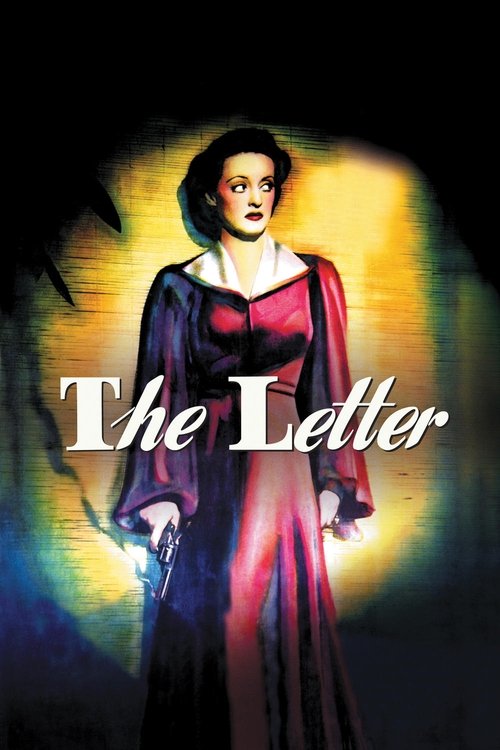
1940
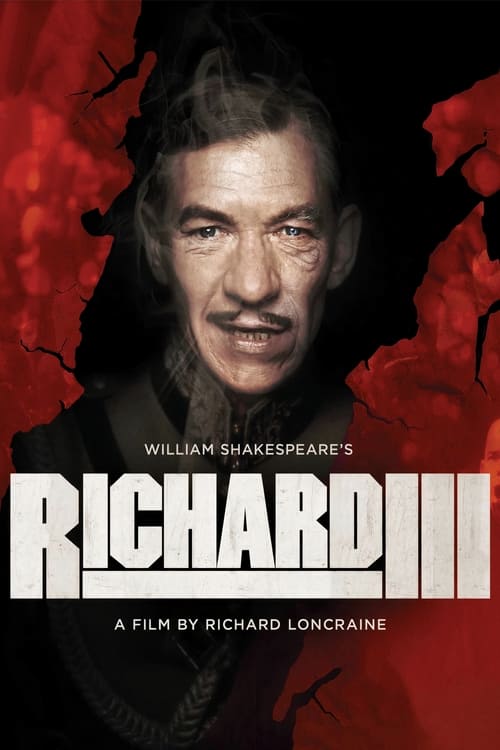
1995
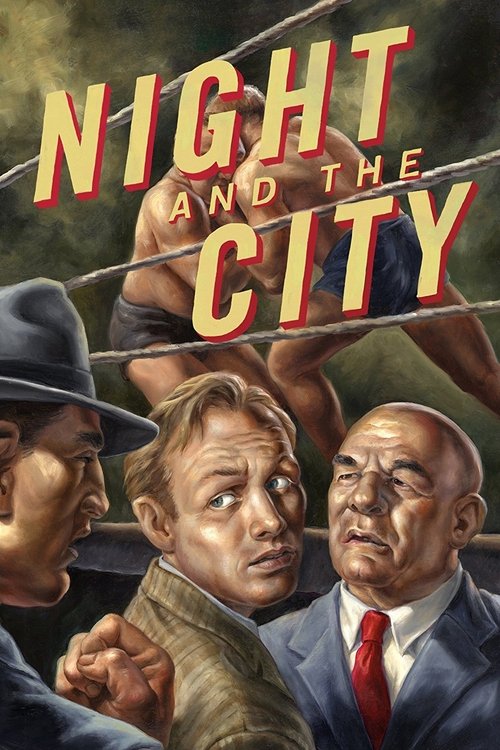
1950
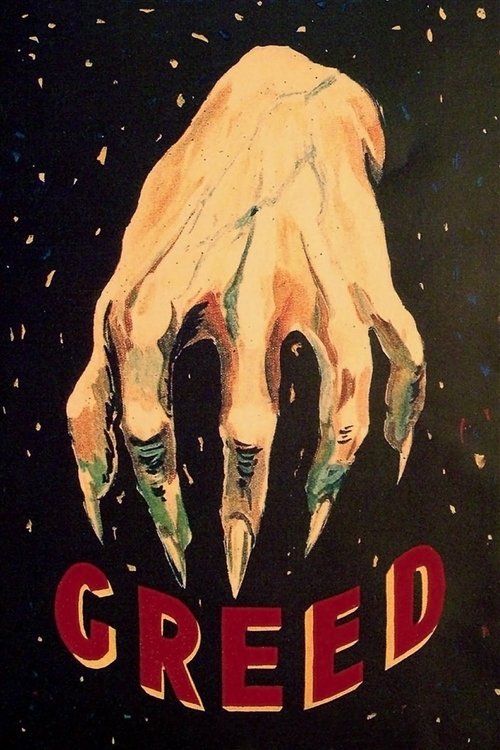
1924
No reviews yet. Be the first to share your thoughts on this movie!
Use the rating form above to leave a star rating and optional review.