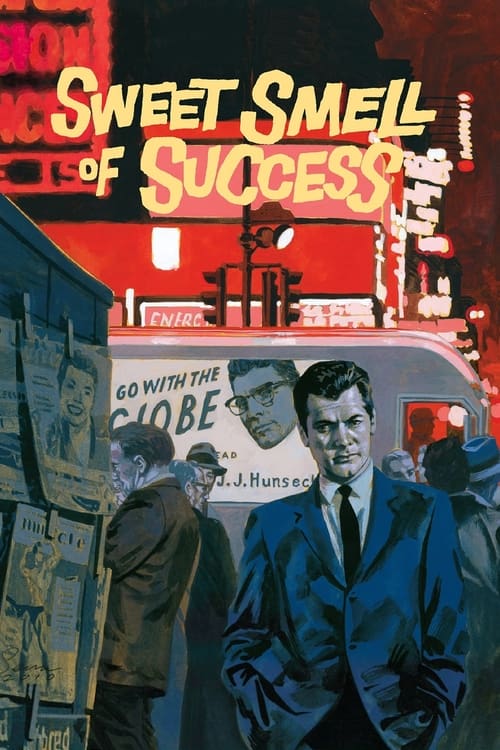
Sweet Smell of Success
1957
No user ratings available yet
Representation score: 5.5 out of 10

Representation Score
Fair
1963
UnratedDirector
Joseph Losey
Runtime
116 minutes
Average Rating
No ratings yetNew Showbiz Analysis
Joseph Losey’s direction provides a sophisticated examination of social structures and power dynamics. The film excels at using class warfare to drive psychological subversion, particularly through its exploration of shifting hierarchies and the dismantling of traditional family units. While the film effectively critiques the British class system and uses queer-coded tension, it remains limited by its historical context. The lack of racial diversity and the male-centric focus on power struggles prevent a more inclusive representation. Ultimately, the work studies the interplay between individual ability to act and systemic constraints. It presents a morally relative landscape where dominance is constantly being reclaimed and redistributed.
Category Breakdown
The film uses subtle symbolism to explore themes of desire and power. There is intense homoerotic tension between Tony and Barrett, suggesting a psychological dominance tied to non-straight relationships.
The story centers around male characters and their struggle for dominance. Female characters like Bella play crucial roles in challenging traditional patriarchal structures.
Set in mid-century London, the film features a predominantly white cast. The story focuses on class differences rather than racial or ethnic diversity.
The film offers a critical look at Western institutions and the leisure class. It challenges traditional authority and the stability of the class hierarchy.
The film does not prominently feature characters with physical or cognitive disabilities that play central roles in the plot.
Present on Screen
Limited or Absent
Official Synopsis
An indolent aristocrat gets more than he bargained for when he hires a competent but silently devious manservant.
1957
1952

1977

1974

1932

1958
1950
1960
No reviews yet. Be the first to share your thoughts on this movie!
Use the rating form above to leave a star rating and optional review.