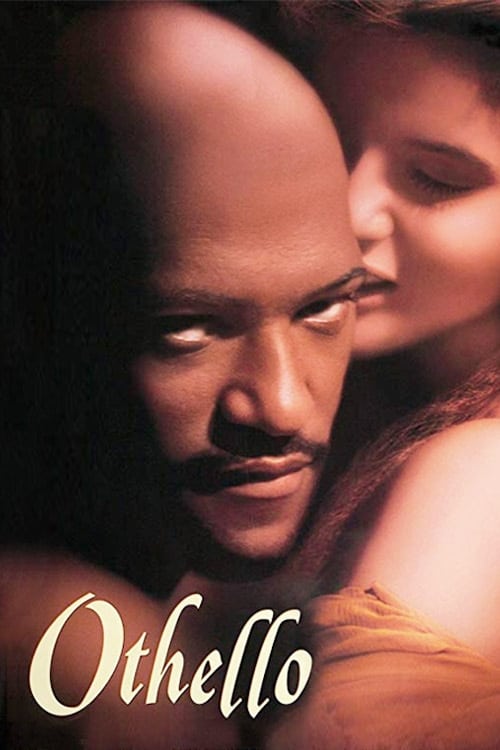
Othello
1995
No user ratings available yet
Representation score: 3.4 out of 10
Representation Score
Limited
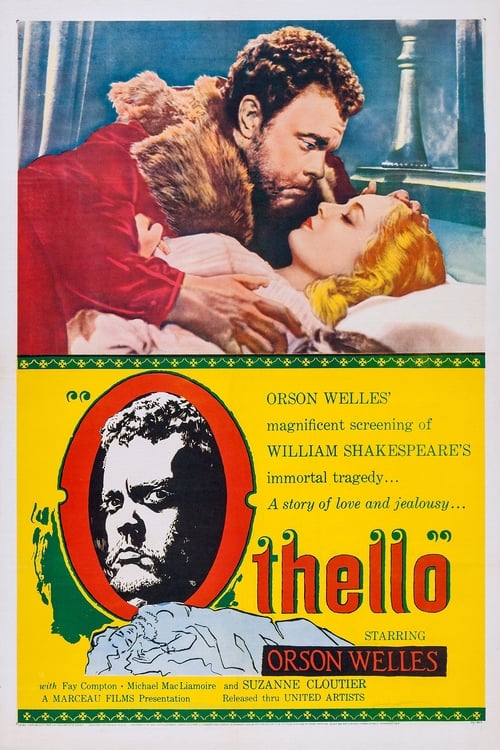
1951
ApprovedDirector
Orson Welles
Runtime
93 minutes
Average Rating
No ratings yetNew Showbiz Analysis
Orson Welles' adaptation stands out due to the transformative casting of Paul Robeson, which elevates the film beyond a typical period piece. This choice challenges the homogeneity of 1950s cinema by placing a Black actor in a position of military authority and dignity. While the film excels in racial representation, it remains confined by traditional gender hierarchies and storytelling centered on straight relationships. Female characters, despite having meaningful dialogue, are often positioned within the context of male-driven tragedy. Ultimately, the film delves into themes of identity and systemic outsiderhood, using Shakespeare's text to explore the erosion of social order and the complexities of navigating rigid hierarchies.
Category Breakdown
The film follows traditional structures centered around straight relationships. There are no queer narratives, and the central conflict revolves around marital fidelity and a breach of a monogamous bond.
Desdemona is portrayed as a victim of male manipulation, though she exhibits tragic ability to act. Emilia offers a pragmatic perspective, and the film passes the Bechdel test through conversations between women.
Paul Robeson's casting as the Moorish general challenges typical casting expectations. The film highlights systemic tensions and the psychological impact of racial hierarchies.
The narrative questions traditional moral frameworks and military order through the subversion of authority by the manipulative Iago. It suggests skepticism towards established institutions.
There are no prominent depictions of visible or invisible disabilities that play central roles in the narrative.
Present on Screen
Limited or Absent
Official Synopsis
Manipulated by his jealous ensign Iago, the Moorish general Othello is driven to believe that his new wife Desdemona is unfaithful, setting in motion a chain of deception, jealousy, and violence that leads to tragedy.
1995
1927

1955
1958
1965
1948

1988
1956
No reviews yet. Be the first to share your thoughts on this movie!
Use the rating form above to leave a star rating and optional review.